🔑 Key Takeaways
- President Prabowo Subianto reiterated the government's commitment to accelerate investment in the railway sector, aiming to enhance national connectivity and logistics efficiency by 2026.
- Investments are focused on developing new lines, modernizing existing infrastructure, and integrating multi-modal transportation to support sustainable economic growth.
- With strong policy support and public-private partnerships, the railway sector is projected to become the backbone of Indonesia's mobility and logistics, attracting global investor interest.
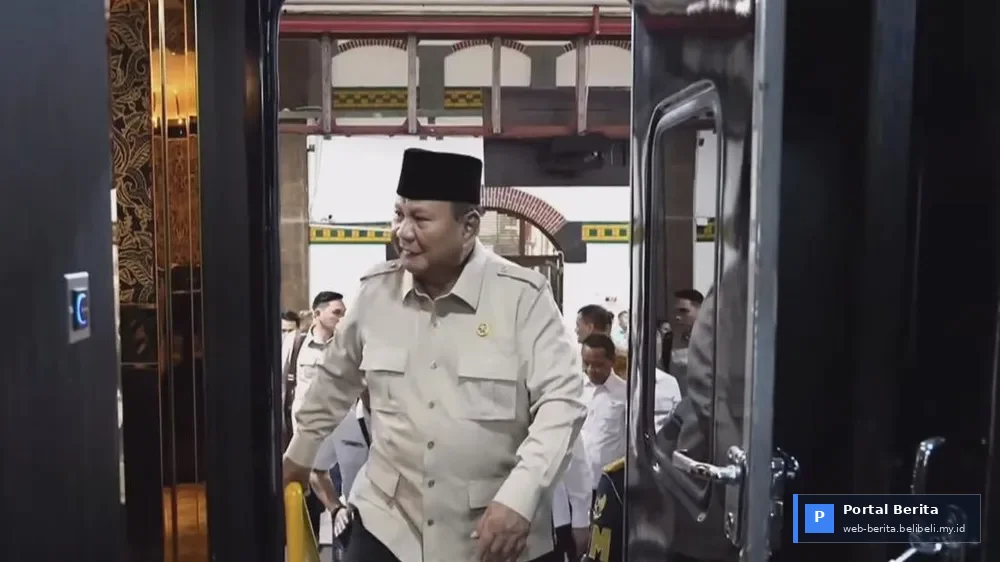
Jakarta, March 12, 2026 – President Prabowo Subianto today reaffirmed the urgency of substantial and sustained investment in Indonesia's railway sector. Speaking at a national infrastructure forum, the President highlighted the crucial role of railways in supporting economic growth, enhancing public mobility, and accelerating logistics distribution across the archipelago.
“We can no longer delay. A robust railway network is a vital artery for a modern economy. With a continuously growing population and our ambition to become a developed economy in the coming years, investment in railways must be continuously increased and accelerated,” President Prabowo stated, met with applause from the attendees.
2026 Vision for National Connectivity
The President's statement reinforces the government's commitment, evident since early 2026, with various strategic projects showing significant progress. The primary focus is on developing new railway lines outside Java, such as in Sumatra and Kalimantan, as well as modernizing existing systems to increase capacity and speed.
According to Dr. Citra Dewanti, a senior transportation analyst from the Indonesian Transportation Studies Center (PSTI), the President's push is very timely. “By 2026, we are seeing a paradigm shift. Railways are no longer just an alternative, but becoming the primary choice for mass transit and cargo. This investment will drastically cut logistics costs, enhance the competitiveness of local products, and reduce road congestion,” explained Dr. Citra.
The government aims to expand cargo railway lines to connect production centers with major ports, a strategic move to strengthen domestic and export supply chains. Projects like the accelerated completion of the South Java Double Track and the development of mining railways in East Kalimantan are concrete examples of this focus.
Economic and Environmental Impact
The multi-trillion rupiah investment in the railway sector not only creates thousands of jobs during the construction phase but also stimulates local economic growth along the routes. Furthermore, the use of railways for freight and passenger transport significantly contributes to Indonesia's decarbonization efforts.
“Every ton of goods transported by train replaces dozens of trucks on the road, reducing carbon emissions and other environmental impacts. This is a double investment: for the economy and for environmental sustainability,” added Dr. Citra. The Ministry of National Development Planning (Bappenas) reported that as of the first quarter of 2026, over 50% of the railway infrastructure development targets have been achieved, with continuously increasing budget allocations.
Private sector involvement and foreign investment are also expected to continue growing. The government has streamlined regulations and offered attractive incentives for strategic railway projects, opening opportunities for collaboration in financing, technology, and operational management.
With this strong investment momentum, Indonesia is optimistic about building a world-class railway network that is not only efficient and modern but also inclusive, connecting all corners of the country, and serving as a solid foundation for economic advancement in 2026 and beyond.
Frequently Asked Questions
What is the main objective of this increased railway investment?
The main objective is to enhance national connectivity, logistics efficiency, reduce transportation costs, and support sustainable economic growth across Indonesia.
What type of railway projects are the main focus in 2026?
The primary focus includes the construction of new lines outside Java (e.g., Sumatra and Kalimantan), modernization of existing lines, and the development of cargo railway lines to connect production centers with ports.
How will this investment impact the economy and the environment?
Economically, it creates jobs, stimulates local growth, and increases competitiveness. Environmentally, railway usage will reduce carbon emissions and road congestion, contributing to decarbonization.