🔑 Key Takeaways
- Effective September 1, 2026, Indonesia's one-door Natural Resource (NR) export policy via PT DSI will be fully implemented, ahead of the initial government schedule.
- The government aims to enhance added value, transparency, and state control over the entire export process of Indonesia's vital commodities.
- This move is expected to boost downstream industrialization, attract investments, and significantly increase state revenue in the coming years.
Jakarta, March 12, 2026 – The Indonesian government, under President Prabowo Subianto, has officially announced the accelerated full implementation of its one-door natural resource (NR) export policy through PT Dana Sumber Daya Indonesia (DSI). This strategic policy will take full effect starting September 1, 2026, earlier than previously scheduled, signaling the government's strong commitment to maximizing the economic potential of Indonesia's vast natural wealth.
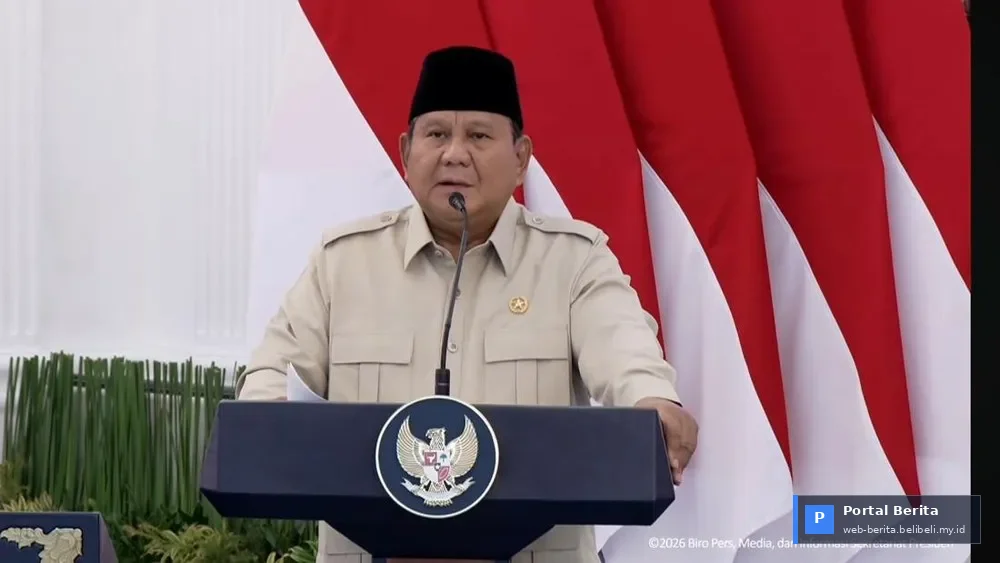
President Prabowo Subianto, in a limited press conference, stated that this acceleration is a crucial step to ensure Indonesia gains optimal benefits from every ton of natural resources exported. "We can no longer allow the wealth of our homeland to be exported in raw form. With a single gateway through PT DSI, we will have full control, ensuring downstream processing and maximum added value for the people," the President affirmed.
The Vision Behind the One-Door Policy
The one-door export policy has long been on the government's agenda to address various challenges in NR management, including minimal added value, illegal export practices, and a lack of transparency. By designating PT DSI as the sole export gateway for strategic commodities such as processed nickel, bauxite, coal, and crude palm oil (CPO), the government seeks to create a more structured and state-beneficial trade ecosystem.
Professor Dwi Cahyono, a senior economist from Gadjah Mada University, welcomed the acceleration. "This is a much-anticipated strategic move. With a single door, the government gains full visibility and stronger negotiation power, which is crucial for maximizing profits from our natural wealth," he noted. "This acceleration also sends a strong signal to investors that Indonesia is serious about promoting its domestic processing industries."
Economic Impact and Future Challenges
The economic impact of this policy is expected to be highly significant. Market analysts project a drastic increase in state revenue from taxes and royalties, alongside optimized selling prices and value addition through downstream processing. Furthermore, the policy is anticipated to trigger substantial investments in the domestic processing and manufacturing sectors, creating new jobs and fostering technology transfer.
However, the implementation of this policy is not without its challenges. Adjustments for businesses, especially in the logistics and supply chain sectors, will be a primary focus. "The government must ensure PT DSI's infrastructure is fully prepared to handle the large volume of exports. Effective communication with exporters is also key to a smooth transition," said Budi Santoso, Director of the Indonesian Mineral Exporters Association (AEMI).
The government, through the Coordinating Ministry for Economic Affairs, has established a special team to monitor and facilitate this transition process, ensuring that PT DSI is equipped with cutting-edge technological systems and competent human resources to effectively carry out its mandate starting September 1, 2026.
FAQ: One-Door Natural Resource Export Policy
Q: What is Indonesia's one-door natural resource export policy via PT DSI?
A: This policy mandates that all strategic natural resource exports from Indonesia must pass through a single entity, PT Dana Sumber Daya Indonesia (DSI), to ensure added value, transparency, and full state control.
Q: When will this policy be fully implemented?
A: The one-door natural resource export policy will be fully implemented starting September 1, 2026, which is an accelerated timeline from the government's initially planned schedule.
Q: What are the main economic impacts expected from this policy?
A: Key impacts are anticipated to include increased state revenue from taxes and royalties, a strong push for downstream industrialization, and attracting investment in domestic processing sectors, which will create jobs and facilitate technology transfer.