🔑 Key Takeaways
- Japan is experiencing record-breaking heatwaves in 2026, prompting a major adaptation in office dress codes.
- Professional shorts are now considered acceptable work attire, enhancing comfort and preventing heat-related fatigue.
- This shift reflects an evolution in work culture and a prioritization of employee health amidst global climate challenges.
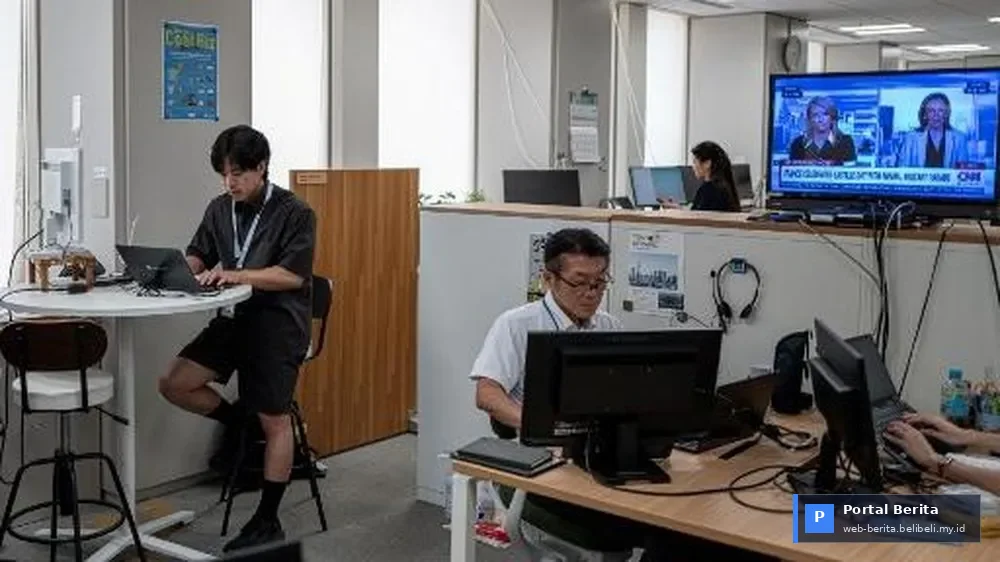
TOKYO, Japan – As the Japanese sun blazes with unprecedented intensity in the summer of 2026, pushing temperatures to historic highs, the traditional office dress code across the nation is undergoing a quiet revolution. Images of office workers sporting smart, tailored shorts are becoming an increasingly common sight, marking a significant shift in Japan's famously rigid corporate culture.
This year's heatwave has alarmed climate experts, with average temperatures in some prefectures consistently exceeding 38 degrees Celsius for weeks on end. Such conditions are not just uncomfortable but also pose serious health risks, including heatstroke and dehydration, which, according to Japan's Ministry of Health, Labour and Welfare (MHLW), have led to a significant uptick in emergency room visits.
Adapting for Health and Productivity
“The extreme temperatures we are experiencing in 2026 demand a fresh approach to how we work and dress,” states Dr. Kenji Tanaka, an environmental health specialist from the University of Tokyo. “Enforcing thick, formal attire amidst these conditions is a recipe for heat exhaustion and decreased productivity. Appropriate shorts, made from breathable fabrics, can significantly reduce the thermal stress on the body.”
This shift is a logical continuation of the “Cool Biz” initiative, which began decades ago, encouraging workers to shed jackets and ties. However, analysts suggest the 2026 heatwave has accelerated this transition to an entirely new level. Leading companies, from tech giants to investment banks, are now explicitly updating their dress code guidelines to include “business casual” shorts as an acceptable option.
More Than Just Comfort, It's Culture
Ayako Saito, an HR manager at a multinational consulting firm in Tokyo, observes that the change has been well-received by her employees. “In the past, the idea of wearing shorts to the office would have been unthinkable. Yet, this year, we’ve seen a boost in morale and focus. Employees who are comfortable are less stressed and more engaged, leading to potentially better productivity and fewer heat-related work disruptions,” she shares.
The debate over what constitutes “office-appropriate shorts” is ongoing, with many opting for tailored chino or linen shorts of knee-length. This trend indicates that professionalism isn’t always tied to stringent formal wear, especially when facing pressing environmental challenges.
The Japanese government, through various public awareness campaigns, is also encouraging citizens to take proactive measures against the heat, including wearing lighter clothing. This demonstrates a growing recognition that adaptation to climate change is not just an individual responsibility but also a matter of corporate and national policy.
As Japan continues to navigate this era of extreme heat, the evolution of its office dress code stands as a symbol of resilience and pragmatism. It's not merely about personal comfort, but about safeguarding public health, maintaining economic productivity, and reshaping the very notion of professionalism to meet 21st-century challenges head-on.
FAQs About Japan's 2026 Office Shorts Trend
Q: Is wearing shorts in Japanese offices now widely accepted in 2026?
A: Yes, driven by extreme heat and evolving workplace norms, many companies have adopted more relaxed dress codes, making shorts more acceptable, especially those in a business casual style.
Q: What are the health benefits of this dress code change?
A: Lighter clothing helps prevent heatstroke, reduces dehydration risks, and improves overall thermal comfort, contributing to better health and concentration in hot work environments.
Q: How does this impact productivity?
A: Workers who are more comfortable in hot conditions tend to be less stressed and more focused, potentially leading to increased productivity and fewer heat-related work disruptions.