🔑 Key Takeaways
- Bank Indonesia Governor Destry Damayanti outlined the Financial System Stability Committee’s (KSSK) strategy to maintain stability and foster economic growth in 2026.
- The primary focus is close coordination between monetary, fiscal, and financial sector policies to address global and domestic challenges.
- President Prabowo Subianto fully supports KSSK’s measures, emphasizing the importance of national economic resilience amidst global dynamics.
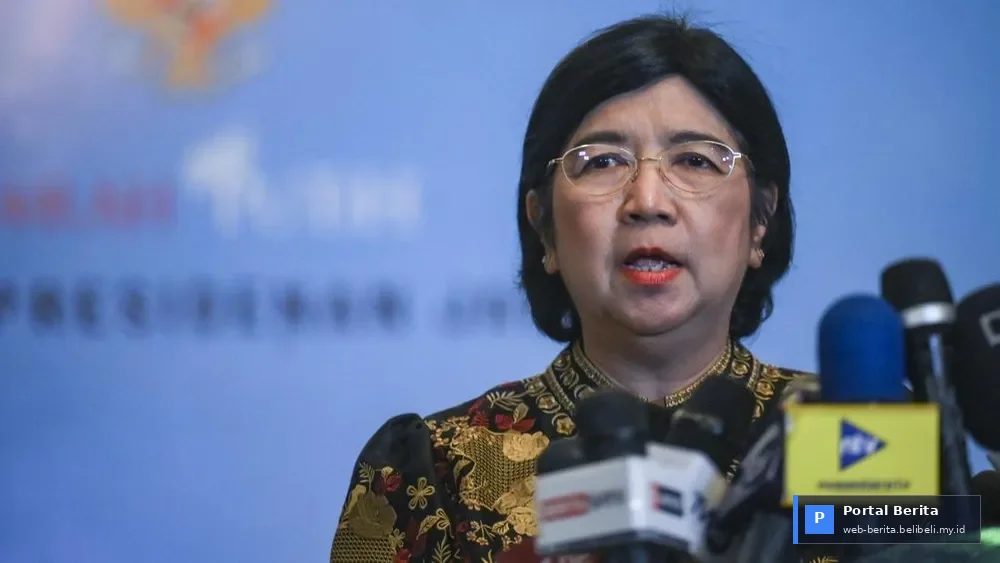
Presidential Palace, Jakarta – Bank Indonesia Governor, Destry Damayanti, recently garnered attention after presenting the outcomes of the Financial System Stability Committee (KSSK) meeting to the public, following her crucial discussion with President Prabowo Subianto. In a press conference held at the State Palace, Damayanti underscored the strong commitment of the government and relevant institutions to maintaining Indonesia's macroeconomic and financial system stability in 2026, a period predicted to be marked by global dynamics.
The KSSK meeting, which involved leaders from the Ministry of Finance, the Financial Services Authority (OJK), and the Deposit Insurance Corporation (LPS), focused its discussions on risk mitigation efforts and strengthening national economic resilience. Economic policy coordination emerged as a key pillar to ensure Indonesia remains on a path of sustainable growth.
Policy Harmonization for Stability
Destry Damayanti explained that the KSSK meeting delved into global and domestic economic projections for 2026, including potential lingering inflationary pressures and financial market volatility. 'We are committed to continuously harmonizing monetary, fiscal, and macroprudential policies. This synergy is essential for controlling inflation, maintaining Rupiah exchange rate stability, and supporting inclusive economic growth,' she stated.
This coordination encompasses joint strategies for prudent state budget management, maintaining banking liquidity, and monitoring the health of non-bank financial institutions. These policies are also designed to support the real sector, particularly MSMEs, through easier access to financing and sustainable incentive programs.
KSSK’s Strategic Focus in 2026
Among KSSK's strategic agenda for 2026, several key points stood out. First, strengthening the macroprudential framework to respond quickly and effectively to systemic risks. Second, accelerating the digitalization of the financial sector to enhance efficiency and inclusion, while simultaneously ensuring cybersecurity. Third, strategies to attract high-quality foreign direct investment and support national industrial downstreaming.
'2026 is a pivotal moment for Indonesia to solidify its position as a resilient economic force. Through KSSK, we are ensuring that all economic pillars work in alignment to achieve our target growth of 5.3% to 5.6% with controlled inflation in the range of 2.5% ± 1%,' Damayanti added, citing the agreed-upon targets.
Presidential Support and Long-Term Vision
Destry Damayanti’s meeting with President Prabowo Subianto post-KSSK meeting further solidified the importance of political support for economic stability. President Prabowo, through his spokesperson, conveyed appreciation for KSSK's performance and emphasized that economic stability is the fundamental pillar for realizing the Golden Indonesia 2045 vision. 'The President provided directives to continuously strengthen inter-institutional coordination, especially in maintaining public purchasing power and creating new jobs,' Damayanti revealed.
A senior economic analyst from the University of Indonesia, Dr. Arif Rahman, commented, 'Transparent communication from the BI Governor after high-level meetings like this is crucial. It signals confidence to the market and the public that the government has a solid, coordinated strategy to address economic challenges in 2026.'
Frequently Asked Questions (FAQ)
1. What is KSSK and who are its members?
KSSK (Financial System Stability Committee) is a coordination forum comprising the Ministry of Finance, Bank Indonesia, the Financial Services Authority (OJK), and the Deposit Insurance Corporation (LPS) to maintain financial system stability.
2. Why is economic policy coordination important in 2026?
In 2026, this coordination is crucial for navigating global economic uncertainties, managing domestic inflation, and ensuring sustainable economic growth amidst geopolitical challenges and digital advancements.
3. What were the main outcomes of the KSSK meeting presented by Governor Destry Damayanti?
Key outcomes include a shared commitment to maintaining Rupiah stability, controlling inflation, stimulating the real sector, and strengthening the macroprudential policy framework for national economic resilience.