🔑 Key Takeaways
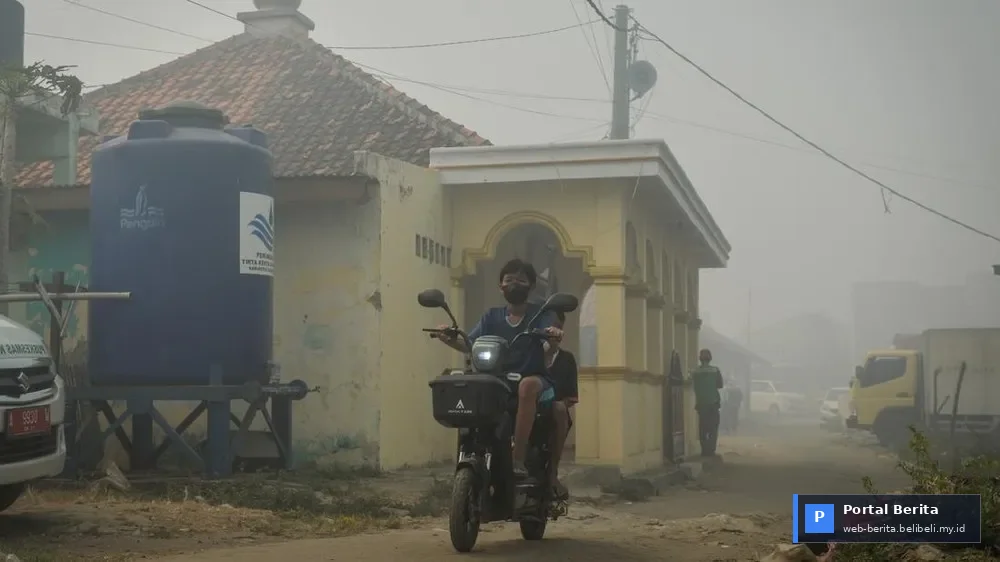
- In 2026, the Jatiwaringin Landfill continues to pose a severe air quality crisis, with smoke from recurring fires creating hazardous conditions for nearby residents.
- Prolonged exposure to the particulate-laden smoke has led to a significant increase in respiratory illnesses, including asthma, bronchitis, and long-term lung damage among the local population.
- Government agencies and community groups are intensifying collaborative efforts, focusing on advanced waste management solutions, stringent air quality monitoring, and public health interventions to mitigate the crisis.
JAKARTA, Indonesia – As 2026 unfolds, residents living near the Jatiwaringin Landfill continue their daily struggle against hazardous air quality, a persistent threat primarily driven by recurring fires within the sprawling waste site. Despite ongoing mitigation efforts and technological advancements in waste management, the air quality in the vicinity frequently plummets into dangerous categories, casting a long shadow over public health and environmental well-being.
The Lingering Cloud of Health Risks
The noxious smoke emanating from Jatiwaringin is more than just an inconvenience; it’s a direct assault on human health. Fine particulate matter (PM2.5) and various toxic gases, including sulfur dioxide and carbon monoxide, are routinely detected at alarming levels. “We are seeing a worrying trend of chronic respiratory conditions among all age groups, especially children and the elderly,” states Dr. Siti Rahayu, a leading pulmonologist at the nearby regional hospital. “Asthma exacerbations, chronic bronchitis, and even early signs of irreversible lung damage are becoming tragically common. The consistent exposure essentially forces residents to breathe in a cocktail of harmful pollutants daily.”
Healthcare facilities in the area report a steady influx of patients presenting with symptoms ranging from persistent coughs and shortness of breath to eye irritation and skin rashes. The long-term implications extend beyond respiratory issues, with studies in other regions linking chronic air pollution to increased risks of cardiovascular disease, neurological disorders, and certain cancers.
Addressing the Core: Waste Management in 2026
The challenge at Jatiwaringin in 2026 is multifaceted. While significant strides have been made in urban waste segregation and recycling initiatives across Indonesia, the sheer volume of waste generated by Greater Jakarta continues to overwhelm existing landfill capacities. Improper waste layering, coupled with the decomposition of organic matter, creates pockets of methane gas—a highly flammable byproduct that frequently ignites, leading to uncontrolled subsurface fires that are exceedingly difficult to extinguish entirely. “The fires aren’t just surface phenomena; they smolder deep within the waste piles, releasing toxins for weeks or months,” explains Ir. Budi Santoso, Head of the Jakarta Environmental Agency. “Our current strategy involves a combination of enhanced thermal imaging for early detection, the deployment of specialized firefighting drones, and exploring bioremediation techniques, but the scale of the problem demands a fundamental shift towards waste-to-energy technologies and greater community participation in reducing waste generation.”
Collaborative Solutions and Future Outlook
In response to the ongoing crisis, the provincial government, in collaboration with national environmental agencies and local community groups, has ramped up its efforts. Air quality monitoring stations around Jatiwaringin have been upgraded with real-time data streaming capabilities, allowing residents to access up-to-the-minute information on pollution levels. Public health campaigns are actively educating residents on protective measures, such as wearing N95 masks during high pollution days and seeking early medical attention for symptoms.
Furthermore, plans are accelerating for the development of modern integrated waste processing facilities, including waste-to-energy plants that can dramatically reduce landfill volumes and generate clean power. Discussions are also underway regarding potential relocation assistance for the most critically affected communities, though this remains a complex and sensitive issue. The ultimate goal is to transition from traditional landfill reliance to a circular economy model where waste is a resource, not a burden. This requires sustained investment, policy enforcement, and a collective commitment from every stakeholder to ensure a healthier, breathable future for Jatiwaringin and its environs.
Frequently Asked Questions
- What are the immediate health risks associated with Jatiwaringin landfill smoke?
- Immediate risks include respiratory irritation, persistent coughs, shortness of breath, eye irritation, and exacerbation of pre-existing conditions like asthma and bronchitis.
- What long-term health problems can result from prolonged exposure to this pollution?
- Long-term exposure can lead to chronic lung diseases (e.g., COPD), increased risk of cardiovascular disease, neurological issues, and certain types of cancer due to consistent inhalation of fine particulate matter and toxic gases.
- What measures are being taken by authorities to address the air quality crisis?
- Authorities are implementing enhanced air quality monitoring, public health education campaigns, deploying advanced firefighting technologies, and accelerating plans for modern waste-to-energy facilities to reduce landfill reliance and manage fires more effectively.