🔑 Key Takeaways
- President Prabowo Subianto has reaffirmed his commitment to prohibit the sale of strategic state-owned enterprises (SOEs) like PT Pindad and Garuda Indonesia to foreign entities, prioritizing national economic sovereignty.
- This policy, in effect since the start of his leadership, is driving the revitalization and improved performance of SOEs in the defense and aviation sectors, aiming for self-sufficiency and global competitiveness by 2026.
- Economic analysts view this move as a strategic effort to strengthen domestic industry and generate multiplier effects for the economy, though challenges in efficiency and innovation remain key focus areas.
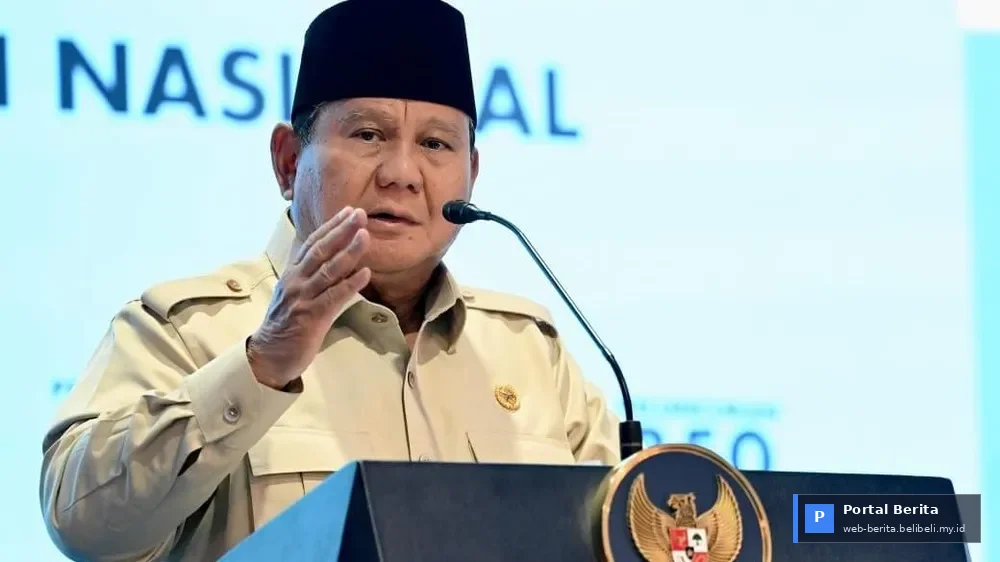
Jakarta, June 17, 2026 – President Prabowo Subianto has emphatically reiterated his ban on the sale of strategic state-owned enterprises (SOEs), including PT Pindad (defense industry) and PT Garuda Indonesia (national airline), to foreign parties. This statement underscores his administration's vision to strengthen national economic and industrial sovereignty, a fundamental policy outlined since the beginning of his term.
President Prabowo's policy, focused on revitalizing SOEs with full government support, is now showing significant results in mid-2026. Instead of divestment to foreign entities, the adopted strategy is 'Revive and Thrive,' emphasizing internal restructuring, increased efficiency, and investment in technology and human resources.
Strengthening National Defense and Aviation Foundations
PT Pindad, as a pillar of Indonesia's defense industry, has received massive capital injections and research support. "We must be self-reliant in defense. National sovereignty is non-negotiable. Selling Pindad to foreigners is tantamount to mortgaging the nation's future," President Prabowo stated in a recent closed-door discussion. As a result, Pindad has reportedly seen significant growth in production capacity and product innovation, including the development of advanced weapon systems that are now being exported to several friendly nations in Southeast Asia and Africa.
Meanwhile, Garuda Indonesia, which previously faced various financial challenges, is now on a stable path to recovery. Through a comprehensive debt restructuring program, stringent operational efficiency, and government support in opening strategic routes, the airline has successfully reduced its operational burden. Dr. Sarah Wijaya, an economist from the Indonesian Public Policy Study Center, commented, "The decision not to sell Garuda was a bold move that preserves a symbol of national pride. The focus now is on sustainable profitability through professional management and service innovation, not just survival."
Impact of the Policy on the National Economy
President Prabowo's move is not without strong reasons. Data from the Ministry of SOEs indicates that the total assets of revitalized strategic SOEs have increased by 15% since the policy's inception, with their contribution to GDP expected to exceed 18% by the end of 2026. This policy has also spurred a multiplier effect in job creation and the development of supporting industries.
"Our priority is to build economic strength from within. By strengthening strategic SOEs, we are not only creating jobs but also facilitating technology transfer and improving the quality of national human resources," added an unnamed Ministry of Finance official. Nevertheless, the challenge to continuously enhance efficiency, transparency, and global competitiveness remains a key agenda for both SOEs.
The government in 2026 aims for Pindad to become a key player in the regional and global defense markets, while Garuda is expected to regain its five-star airline status, proud and ready to compete internationally without reliance on foreign investors who could potentially dictate its strategic direction.
Frequently Asked Questions (FAQ)
1. Why is the government prohibiting the sale of strategic SOEs to foreign parties?
The government prohibits such sales to maintain national economic and strategic sovereignty, ensuring that critical assets like the defense industry and air transportation remain under national control for the long-term benefit of the nation.
2. How has this policy affected the performance of PT Pindad and Garuda Indonesia in 2026?
This policy has prompted Pindad to increase its production capacity and innovation in defense products, even initiating exports. Garuda Indonesia, through restructuring and efficiency, is showing financial recovery and operational improvement, aiming to regain its five-star airline status.
3. What are the long-term impacts of this 'Revive and Thrive' policy on Indonesia's economy?
The long-term impacts include strengthening domestic industries, job creation, technology transfer, enhancing national human resource quality, and increasing the contribution of strategic SOEs to the national GDP, all aimed at achieving economic self-reliance and competitiveness for the nation.