🔑 Key Takeaways
- Both ube (Dioscorea alata) and purple sweet potato (Ipomoea batatas) are vibrant purple superfoods, rich in anthocyanins.
- Ube often boasts higher antioxidant levels and unique diosgenin, while purple sweet potato is a superior source of Vitamin A and offers a slightly lower glycemic index.
- Incorporating both into your 2026 diet maximizes diverse nutritional benefits, supporting gut health, immunity, and chronic disease prevention.
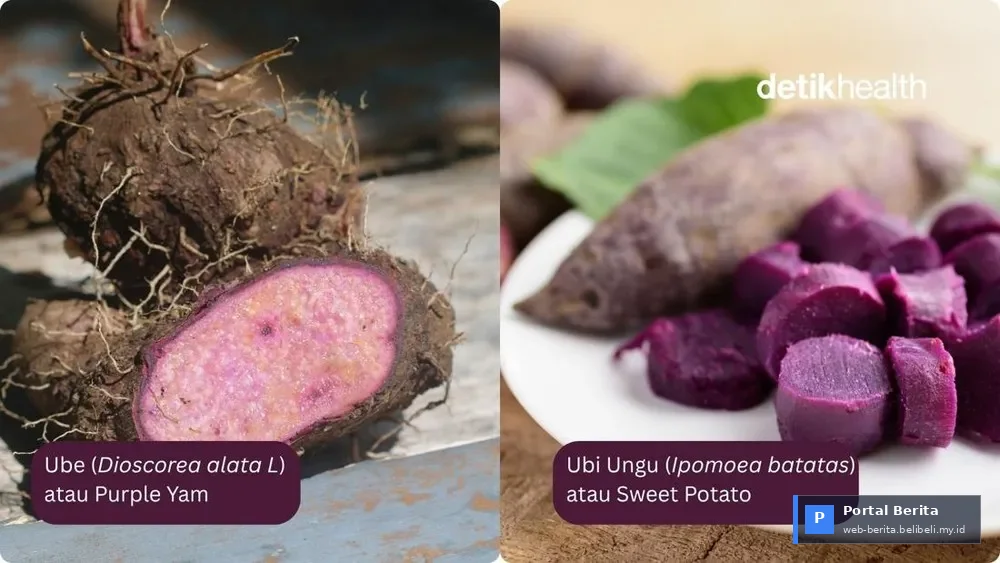
In 2026, as nutritional awareness and the embrace of functional foods continue to grow, two distinct purple-hued stars consistently capture attention: ube (Dioscorea alata) and purple sweet potato (Ipomoea batatas). Both captivate with their deep, natural purple color, often leading to confusion. However, beneath their similar appearance, their nutritional profiles present significant differences that could influence your dietary choices. Let's delve into which of these might be healthier, or if both are valuable assets to your plate.
Purple Powerhouses of Nutrition
Both ube and purple sweet potato are recognized as excellent sources of dietary fiber, crucial for digestive health and maintaining stable blood sugar levels. They are also rich in antioxidants, particularly anthocyanins, the flavonoid pigments that give them their beautiful purple hue. These anthocyanins are potent free-radical fighters, believed to play a role in reducing inflammation and protecting body cells from damage, a potential benefit that remains a key focus of much research in 2026.
Ube (Dioscorea alata): The Yam with an Extra Punch
Ube, botanically a species of yam, is often lauded for its potentially higher antioxidant content compared to purple sweet potato. Some early studies in the mid-2020s suggested that ube might possess a slightly superior antioxidant capacity. Furthermore, ube contains a unique compound called diosgenin, a phytochemical steroid that has been studied for its potential benefits in hormone regulation and bone health, although further research is still needed to fully understand its impact on humans.
In terms of macronutrients, ube tends to have a denser texture and a more subtle, earthy flavor, often used in sweet applications like desserts and ice creams. It provides complex carbohydrates for sustained energy, along with essential minerals such as potassium, manganese, and copper.
Purple Sweet Potato (Ipomoea batatas): The Vitamin A Champion
Purple sweet potato, a variety of sweet potato, holds its own distinct nutritional advantages. It is an exceptional source of beta-carotene, a precursor to Vitamin A, which is vital for vision, immune function, and skin health. While ube also contains some Vitamin A, the levels in purple sweet potato are typically much higher. Additionally, purple sweet potato generally has a slightly lower glycemic index than ube, meaning it can lead to a more gradual rise in blood sugar, making it a marginally more favorable option for those monitoring glucose levels.
Purple sweet potato is also known to be rich in Vitamin C and several B Vitamins, as well as minerals like magnesium and iron. Its softer texture and sweeter taste make it incredibly versatile, suitable for both savory and sweet dishes.
The 2026 Expert Verdict
“In 2026, we’re seeing increased interest in phytonutrient-rich whole foods, and both ube and purple sweet potato are prime examples,” states Dr. Anya Sharma, a leading nutritionist at the Global Wellness Institute. “While they share a vibrant color, their unique nutritional profiles mean they complement each other beautifully. Ube might offer a slightly higher antioxidant boost and compounds like diosgenin, whereas purple sweet potato excels in Vitamin A and offers a slightly lower GI. The takeaway isn't about choosing one, but rather enjoying the diversity both offer.”
Making Your Choice – Or Not
So, which one is healthier? The answer is, both are incredibly healthy! Ube may hold a slight edge in total antioxidant potential and its unique diosgenin compound, while purple sweet potato is a champion for its Vitamin A content and potentially better blood sugar management. Incorporating both of these vibrant purple superfoods into your 2026 diet is the best strategy to gain the broadest spectrum of nutrients.
Use ube for rich desserts or as a unique dough base. Meanwhile, purple sweet potato can be a fantastic addition to soups, stews, roasts, or as a healthier alternative to regular potatoes. This way, you don’t have to choose; you can enjoy the maximum health benefits from both purple wonders.
FAQ: Frequently Asked Questions
- Are ube and purple sweet potato the same plant?
No, ube is a yam (Dioscorea alata), while purple sweet potato is a sweet potato (Ipomoea batatas), though both are root vegetables with purple flesh. - Which one is better for blood sugar management?
Both have a relatively low glycemic index, but purple sweet potato often has a slightly lower GI compared to ube, making it marginally more favorable for immediate blood sugar control. - Can I eat ube and purple sweet potato daily?
Yes, both are excellent additions to a balanced daily diet, providing diverse vitamins, minerals, fiber, and antioxidants, contributing to overall well-being.