🔑 Key Takeaways
- The debate over the taxation of Old Age Security (JHT) funds has intensified in 2026, focusing on allegations of double taxation.
- Economic experts and government advisors highlight that JHT contributions originate from income already subject to PPh Pasal 21 (Article 21 Income Tax), raising questions of ethics and fiscal fairness.
- The government is urged to review this policy to maintain public trust in the social security system and ensure worker welfare.
JAKARTA – The discussion surrounding the tax policy on Old Age Security (JHT) fund withdrawals has resurfaced in 2026, sparking concerns among workers and economic experts. At the core of this debate is the argument that JHT contributions, paid by workers, are derived from income already subjected to Income Tax (PPh Pasal 21). If JHT withdrawals are also taxed, it could be interpreted as a burdensome double imposition.
Origin of the Double Taxation Controversy
JHT contributions are a crucial pillar of Indonesia's employment social security system, designed to provide financial protection for workers in old age or when facing certain risks. However, since its inception, the tax mechanism on these funds has frequently been a point of contention. “In our view, JHT contributions inherently come from income that has already been net of PPh Pasal 21. The simple logic is that money already taxed should not be taxed again when withdrawn as a worker's right,” stated Dr. Budi Santoso, a senior government economic advisor, during a fiscal policy discussion forum in Jakarta last week.
Dr. Santoso emphasized that the principle of fiscal fairness must be the primary foundation for any taxation policy. “Workers have set aside a portion of their income for their future security. If these funds are then taxed again when they are most needed, it could diminish the essence of JHT benefits themselves and potentially reduce purchasing power during retirement,” he added.
Impact on Public Trust and Worker Welfare
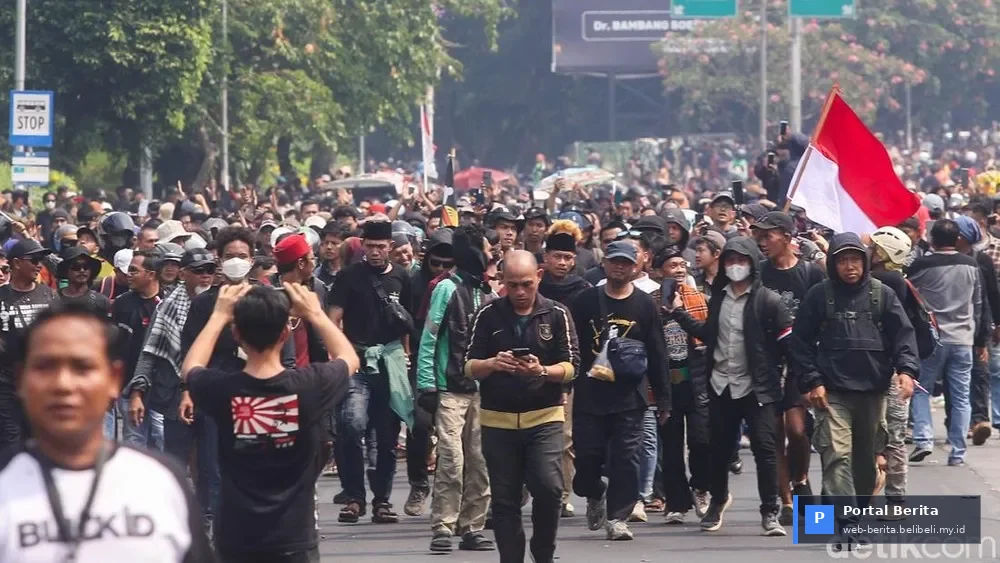
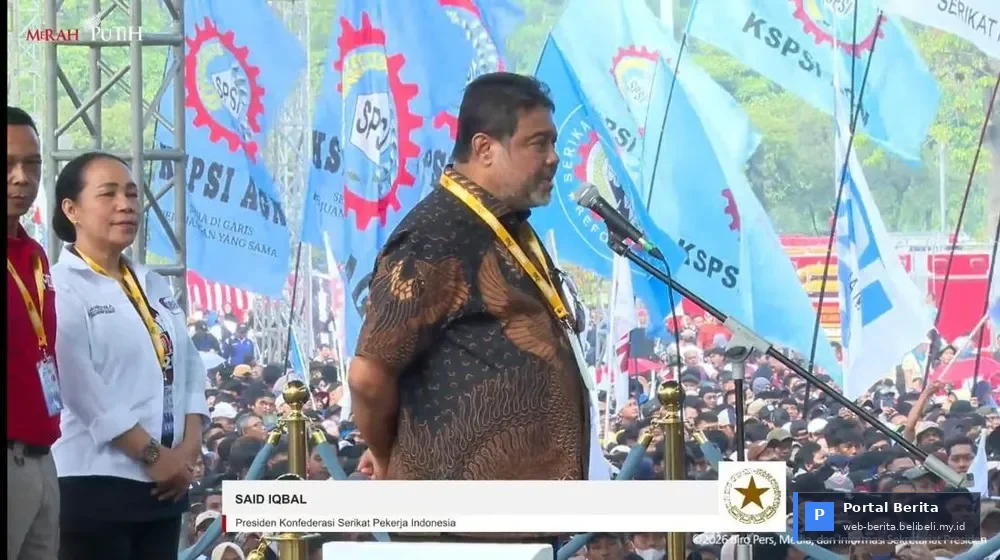
A double taxation policy, if proven, would not only impact workers' financial aspects but also the level of public trust in social security programs. “Workers deserve certainty and clarity regarding the funds they set aside. Allegations of double taxation could undermine the motivation to participate in social security programs and lead to dissatisfaction,” said Mira Rahayu, Chairperson of the Indonesian Workers' Union Federation.
Mira explained that amidst global economic challenges and fluctuating inflation in 2026, any potential reduction in JHT value through additional taxes would be keenly felt by workers. “Especially for those whose withdrawals are their only hope to start a business or cover urgent needs in retirement,” she continued.
Government Urged to Review Policy
In response to this scrutiny, the Ministry of Finance (Kemenkeu) through the Directorate General of Taxes (DJP) stated that the tax policy on JHT adheres to prevailing laws and regulations. Nevertheless, calls for a comprehensive review are growing stronger from various parties, including legislative bodies.
“We urge the government to review these JHT tax regulations, considering aspects of fairness, social impact, and the sustainability of the social security system. It is important to find a solution that does not burden workers while still maintaining state revenue,” said Member of Commission XI of the House of Representatives (DPR RI), Mr. Ahmad Fauzi. He indicated that discussions regarding amendments or revisions to related regulations might become a priority agenda in the near future.
Thorough review is expected to result in a fairer and more transparent policy, ensuring that the primary goal of JHT as a social safety net for workers is truly achieved without being burdened by ambiguous tax mechanisms.
Frequently Asked Questions (FAQ)
1. What is Old Age Security (JHT)?
JHT is a social security program that provides financial protection for participants (workers) upon reaching old age, experiencing permanent total disability, or death, with benefits in the form of cash.
2. Why are there allegations of double taxation on JHT?
These allegations arise because JHT contributions are deducted from workers' income that has already been subject to Income Tax (PPh Pasal 21). If JHT fund withdrawals are also taxed, some parties consider it a double imposition of tax on the same object.
3. What action is expected from the government regarding this issue?
The government is expected to conduct a comprehensive review of JHT tax regulations, considering principles of fiscal fairness, social impact on workers, and the sustainability of the social security program, to find a fairer and more transparent solution.