🔑 Key Takeaways
- The Coordinating Ministry for Economic Affairs reaffirms that the 2026 B50 biodiesel mandate will not reduce Indonesia's national crude palm oil (CPO) export volumes.
- The government is optimistic about balancing domestic clean energy needs with maintaining Indonesia's position as the world's largest CPO exporter through increased production and market diversification.
- A comprehensive strategy includes enhancing sustainable palm oil plantation productivity, downstream industrialization, and expanding global market access to ensure economic and energy stability.
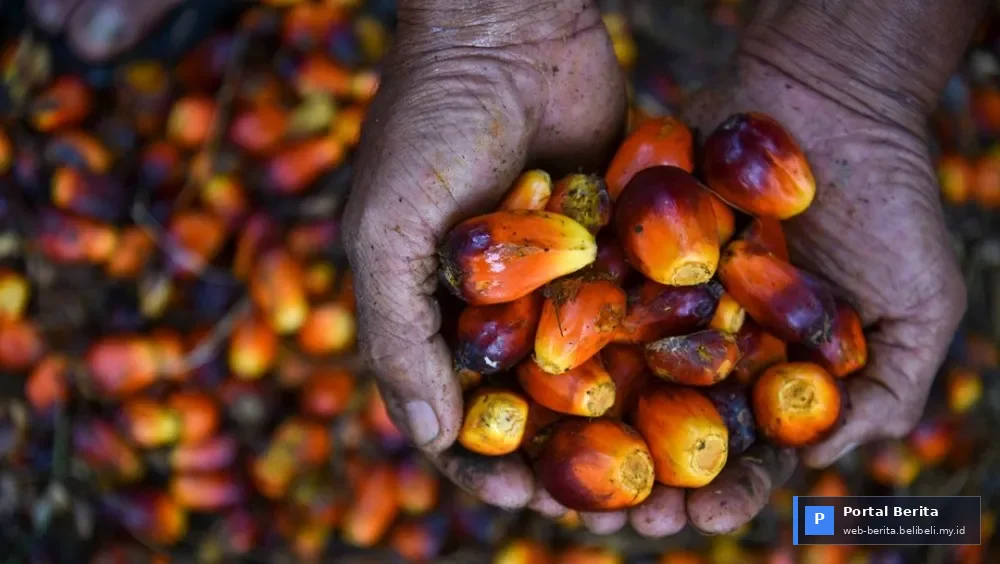
Jakarta, March 12, 2026 – The Indonesian government, through the Coordinating Ministry for Economic Affairs, has once again affirmed its commitment that the full implementation of the 50% biodiesel (B50) mandate in 2026 will not affect national Crude Palm Oil (CPO) export volumes. This statement aims to allay global market concerns and ensure the stability of Indonesia's CPO supply chain amidst increasing domestic renewable energy utilization.
The Deputy for Food and Agribusiness Coordination at the Coordinating Ministry for Economic Affairs, Mr. Ir. Budiman Santoso, stated today that CPO volume projections for 2026 have already accounted for the significant domestic demand for the B50 program. “We have conducted precise calculations. With an estimated CPO production that continues to rise due to the smallholder palm oil rejuvenation program and increased productivity, coupled with export market diversification strategies, we are confident that CPO export targets will be met without hindrance,” said Ir. Budiman.
Optimism Amidst Rising Domestic Demand
The B50 program is a strategic step for Indonesia towards energy independence and carbon emission reduction. The use of a 50% palm oil-based biodiesel blend in diesel fuel is expected to substantially reduce fossil fuel imports. Nevertheless, the government fully understands the importance of maintaining CPO export market share, which is one of the country's largest foreign exchange earners.
“Indonesia possesses vast land potential and CPO production capacity. Our current focus is on efficient and environmentally friendly sustainable palm oil plantation practices, ensuring sustainable production increases without deforestation,” added Ir. Budiman, emphasizing the commitment to ISPO and RSPO certifications.
Long-Term Strategy for Export Stability
To ensure these dual objectives are achieved, the government has prepared several long-term strategies. First, intensifying the smallholder palm oil rejuvenation (PSR) program to boost the productivity of existing plantations. Second, encouraging downstream palm oil industrialization, not only limited to biodiesel but also other high value-added derivative products such as oleofood, oleochemicals, and biomass.
Third, strengthening trade diplomacy to open new export markets and maintain existing ones. The Executive Director of the Indonesian Palm Oil Association (GAPKI), Ms. Kartika Dewi, also expressed similar optimism. “National palm oil industry players have invested heavily in technology and best practices to enhance efficiency and meet global standards. We are ready to support the B50 program while upholding Indonesia's reputation as a reliable CPO supplier worldwide,” said Ms. Kartika.
With full support from all stakeholders, the government is confident that the B50 mandate will serve as a bridge towards sustainable clean energy without sacrificing the vitality of Indonesia's CPO export sector in 2026 and beyond. This stands as proof of Indonesia's commitment to balanced economic development between domestic needs and its position on the global stage.
❓ Frequently Asked Questions
- What is the B50 mandate and why is it important for Indonesia? The B50 mandate is a government policy requiring the blending of 50% palm oil-based biodiesel with 50% fossil diesel fuel. It is crucial for reducing reliance on fossil fuel imports, enhancing national energy independence, and cutting carbon emissions.
- How does the government ensure the B50 program does not disrupt CPO exports? The government ensures this through increased sustainable CPO production (e.g., smallholder palm oil rejuvenation programs), diversification of export markets, and supply chain efficiency. Domestic demand and production projections are also carefully calculated.
- What are the positive impacts of the B50 program for palm oil farmers? The B50 program creates stable domestic demand for CPO, which potentially maintains stable and profitable fresh fruit bunch (FFB) prices for farmers. It also supports the development of the domestic palm oil downstream industry, creating added value and employment opportunities.