🔑 Key Takeaways
- The Indonesian government continues to accelerate the national entrepreneurship ratio towards its 8% target by 2045, with significant momentum observed in 2026.
- Ready-to-eat food SMEs are at the forefront, driven by digital innovation and high adaptability to dynamic market demands.
- Various government support programs in 2026, ranging from financing access to digital training, are crucial in accelerating the growth of the entrepreneurial ecosystem.
In 2026, Indonesia is on an increasingly firm path to achieve its ambitious entrepreneurship ratio target of 8% by 2045. This is not just a number; it reflects a resilient and innovative economic ecosystem. Amidst this wave of optimism, Micro, Small, and Medium Enterprises (SMEs), particularly in the ready-to-eat food sector, stand out as indispensable key drivers.
Ready-to-Eat Food SMEs: Key Drivers of Entrepreneurship
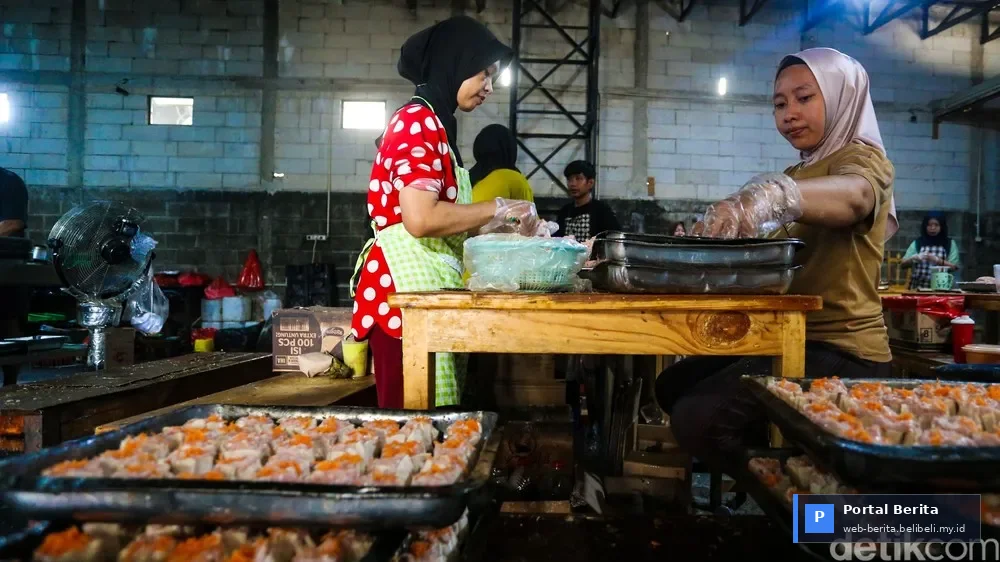
The ready-to-eat food sector, with its agile and highly competitive characteristics, has proven to be an easily accessible gateway to entrepreneurship. From digital food stalls to home catering businesses expanding onto online platforms, these SMEs not only create jobs but also foster a culture of innovation. Data from the Ministry of Cooperatives and SMEs for 2026 shows a significant increase in the number of ready-to-eat food SMEs integrated into the digital ecosystem, reaching over 65% of the total SMEs in this sector, a notable jump compared to previous years. Their ability to adapt to rapidly changing consumer preferences and leverage technology for marketing and distribution has been key to their success.
Government Support in 2026: Strengthening the Entrepreneurial Ecosystem
The government, through strategic programs in 2026, continues to strengthen the foundation for entrepreneurs. Initiatives like the ‘Independent Digital SME Movement’ (Gerakan UMKM Digital Mandiri) focus on digital literacy training, the use of financial technology, and broader access to e-commerce markets. This program complements expanded capital facilities, including the People's Business Credit (KUR) scheme, which is now more adaptable to modern SME business models. Dr. Arif Santoso, Senior Economist from the National Economic Research Institute, states, 'Comprehensive ecosystem support is key. The government this year (2026) is highly focused on digital acceleration and improving product quality, not just quantity. This is the right approach to ensure sustainability and global competitiveness.'
Challenges and Prospects Towards 2045
Certainly, the journey towards 8% is not without challenges. Intense competition, product quality standardization, and increasing production capacity remain ongoing tasks that require collaborative solutions. Integration with larger supply chains and an understanding of sustainability are also crucial aspects that are continuously being promoted. However, with the spirit of collaboration between the government, private sector, and entrepreneurial communities, optimism for reaching the 2045 target remains high. Ready-to-eat food SMEs are expected to continue innovating, not only in menu variety but also in operational efficiency and environmental footprint.
In 2026, the positive momentum from ready-to-eat food SMEs proves that Indonesia's vision as a nation with a high entrepreneurship ratio is becoming more tangible. With the right strategies and sustained support, the 8% target by 2045 is no longer just a dream, but a reality we are building together.
FAQ: Frequently Asked Questions
- Q: What is Indonesia's entrepreneurship ratio target?
A: Indonesia aims to achieve a national entrepreneurship ratio of 8% by 2045. - Q: Why are ready-to-eat food SMEs so important in achieving this target?
A: This sector has a low barrier to entry, is responsive to market trends, and easily integrates with digital platforms, making it an effective driver of entrepreneurship and a significant job creator. - Q: What government support is available in 2026 for SMEs?
A: The government focuses on digital training, access to financing through expanded schemes like KUR, and facilities for integration into e-commerce markets through programs such as the ‘Independent Digital SME Movement’.