🔑 Key Takeaways
- Tokyo is experiencing its hottest heatwaves in 2026, posing serious health risks and straining infrastructure.
- The Tokyo Metropolitan Government has officially relaxed its office dress code, permitting shorts for employee comfort.
- This policy serves a dual purpose: maintaining productivity amidst high temperatures and significantly reducing air conditioning energy consumption.
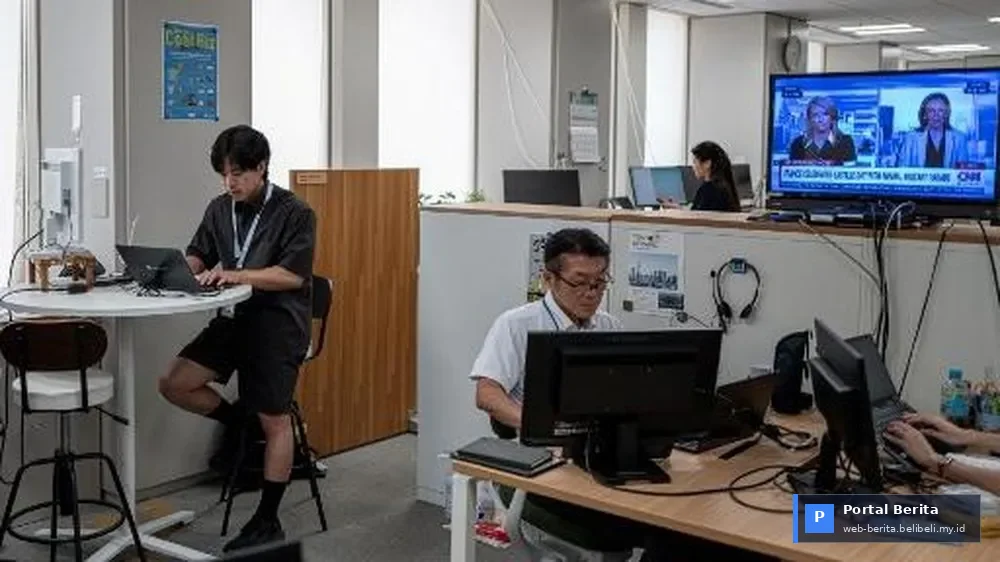
TOKYO, June 25, 2026 – The year 2026 has once again set alarming temperature records globally, and Tokyo finds itself on the front lines of this climate crisis. With summer projections indicating it could be the hottest in modern history, the Tokyo Metropolitan Government has taken a bold and unprecedented step: officially permitting shorts in government offices and encouraging the private sector to adopt similar policies. This decision, announced earlier this month, is a direct response to public health threats and an urgent need for energy conservation.
A Radical Shift Amidst Climate Crisis
This move marks a significant evolution of the long-standing 'Cool Biz' initiative, which encouraged employees to dress more casually (without ties and jackets) to lessen reliance on air conditioning. However, with daily temperatures in the capital consistently exceeding 35 degrees Celsius in June alone, and frequently peaking above 40 degrees Celsius, more drastic solutions became unavoidable. “We can no longer ignore the tangible impacts of climate change on our daily lives and productivity,” said Tokyo Governor Yuriko Koike in a press conference. “Allowing workers to be comfortable is paramount to maintaining both health and efficiency.”
Dr. Kenji Tanaka, a senior climatologist at the University of Tokyo, explained that the 2026 heatwave is the culmination of a rapidly accelerating global warming trend. “Our data shows that average summer temperatures continue to climb year after year, and this year we are seeing unprecedented frequency and intensity. Adaptive policies like this are a necessity, not just an option anymore,” he stated. The extreme weather not only causes discomfort but also elevates the risk of heatstroke and exhaustion, which can significantly impair performance.
Impact of Extreme Heat on Health and Productivity
High temperatures in the workplace can have serious consequences for health and productivity. A recent study by the Japan Institute of Health and Productivity found that temperatures above 28 degrees Celsius can reduce concentration and increase error rates by 10-15%. “When a person is overheating, their body works harder to cool itself, diverting energy that would otherwise be used for cognitive functions,” explained Dr. Akiko Sato, an occupational health expert. “Allowing lighter attire like shorts is a simple yet effective intervention for heat stress mitigation.”
Dual Benefits: Comfort and Energy Conservation
Beyond maintaining worker comfort and health, the policy also serves a strategic purpose for energy saving. By allowing employees to feel naturally cooler, air conditioning temperatures can be set at a higher level—for instance, from 22 degrees Celsius to 26 or 28 degrees Celsius—without compromising comfort. “The reduction in energy consumption, even on a small scale in each office, will lead to massive overall savings across the city,” said Hiroshi Nakamura, an energy efficiency consultant. “This is a crucial step in Tokyo's efforts to meet its carbon neutrality targets by 2050 and alleviate strain on the power grid during peak summer months.”
The new policy has been widely welcomed by many workers who previously felt constrained by formal dress codes. “I feel much more focused and less fatigued by the end of the day,” remarked Keiko Yamashita, a civil servant. “It's a small change that makes a huge difference.”
Towards an Adaptive Work Culture
Tokyo's decision is likely to spur similar discussions in other cities facing extreme climate challenges. It signals a shift towards a more adaptive work culture, prioritizing health, comfort, and sustainability. In the face of 2026's climate realities, flexibility and innovation are becoming key to ensuring productive and resilient work environments.
FAQs About Tokyo's Office Shorts Policy
1. Why did the Tokyo government allow shorts in offices?
The Tokyo Metropolitan Government permitted shorts to combat 2026's extreme heatwaves, maintain worker productivity, and conserve energy from air conditioning.
2. Does this policy apply to all offices in Tokyo?
The policy is mandatory for Tokyo government offices and strongly encouraged for the private sector. Many companies are expected to adopt similar guidelines.
3. How does this policy contribute to energy saving?
By allowing workers to feel more comfortable in lighter clothing, air conditioning thermostats can be set several degrees higher, significantly reducing overall electricity consumption and carbon emissions.