- By 2026, Dukuh Atas has fully emerged as a vital integrated transport hub, connecting six major public transportation modes in Jakarta.
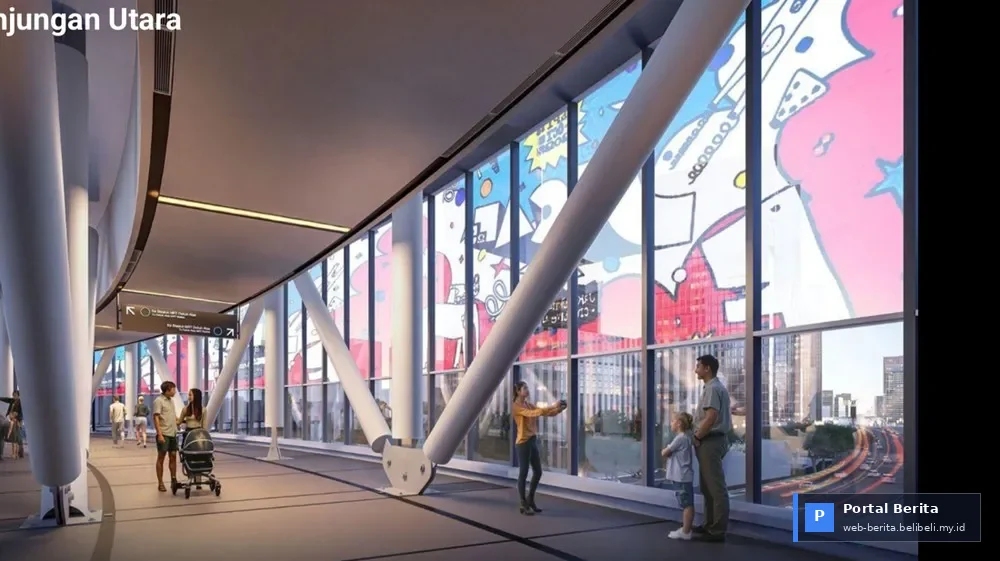
- The area's revitalization, particularly the pedestrian deck, has transformed it into a vibrant economic and social center, attracting investment and increasing property values.
- This transit-oriented development model is expected to serve as a blueprint for other Indonesian cities aiming to create more efficient and pedestrian-friendly urban cores.
In 2026, the Dukuh Atas area stands as a testament to Jakarta's urban transformation, transcending its role as a mere transport node; it has become a new economic heartbeat built on a foundation of connectivity and pedestrian mobility. The iconic Dukuh Atas pedestrian deck is no longer just a connector but an artery pumping vitality throughout the city.
"What we see in Dukuh Atas in 2026 is the successful realization of a long-term vision to create a truly human-centric city with sustainable mobility," states Dr. Sari Mulyani, an urban planning expert from the Urban Dynamics Institute. "The integration of six public transport modes – MRT, LRT, Commuter Line, Airport Rail Link, TransJakarta, and local feeder services – has achieved an extraordinary level of synergy, facilitating the daily movement of millions of citizens."
Resounding Economic Impact
Dukuh Atas's transformation extends far beyond transport efficiency. Recent data from Jakarta Property Insights indicates that commercial and residential property values around the Dukuh Atas area have increased by an average of 25% since the project's inception, with some strategic points even seeing a 40% surge. This appreciation has attracted a wave of new investments, ranging from Class A office developments to modern retail centers and co-working spaces.
"Seamless connectivity means unparalleled accessibility, and this is a magnet for businesses and investors," notes Budi Santoso, Senior Investment Analyst at Capital Growth Advisors. "Local SMEs operating around the pedestrian deck and transport stations also report significant revenue increases, thanks to the surge in pedestrian traffic. Dukuh Atas is now a prime example of how public infrastructure investment can drive economic growth at both micro and macro levels."
The Future of Transit-Oriented Cities
The Dukuh Atas model has become a compelling case study for other Indonesian cities grappling with congestion and the need for sustainable development. The concept of 'a city built on footsteps' not only promotes a healthy, environmentally friendly lifestyle but also fosters a dynamic business ecosystem.
Well-maintained public spaces, green areas, and continuously developing support facilities make Dukuh Atas not just a transit point but also a destination. This encourages a culture of walking and social interaction, which in turn creates new business opportunities, from cafes and restaurants to bike-based courier services and pop-up shops.
As a pioneer in transit-oriented development, Dukuh Atas in 2026 is more than just an infrastructure project; it is a narrative of how sound policies and a strong vision can shape the future of a more prosperous, connected, and sustainable city.
❓ Frequently Asked Questions
1. What are the "six transport modes" referred to at Dukuh Atas?
This refers to the seamless integration between Jakarta MRT, Jabodebek LRT, KRL Commuter Line, Soekarno-Hatta Airport Rail Link, TransJakarta, and local feeder bus networks, all interconnected within the Dukuh Atas area.
2. How has the Dukuh Atas pedestrian deck impacted local businesses?
The pedestrian deck dramatically increases foot traffic, which positively impacts sales and visibility for small and medium-sized enterprises (SMEs) and attracts new retail and commercial investments in the surrounding area.
3. Is Dukuh Atas a model for future urban development?
Yes, Dukuh Atas's success as an integrated transport hub and economic center makes it a significant case study for transit-oriented development (TOD) in Indonesia, encouraging more sustainable and pedestrian-friendly urban planning.