🔑 Key Takeaways
- The East Java Provincial Government and Bulog are consistently holding affordable markets in Sidoarjo and other regions to stabilize strategic food prices.
- This initiative is designed to curb inflation and directly alleviate daily shopping burdens for citizens amidst the economic challenges of 2026.
- The affordable market program is part of the regional government's strategy to maintain citizen purchasing power, ensure access to affordable food, and support regional economic stability.
SIDOARJO, April 24, 2026 – The East Java Provincial Government (Pemprov Jatim) in collaboration with Perum Bulog continues to intensify its affordable market program in various regions, including Sidoarjo, as a key strategy to curb inflation and bolster community purchasing power. Amidst ongoing global economic fluctuations, this program serves as a vital shield for food price stability in 2026.
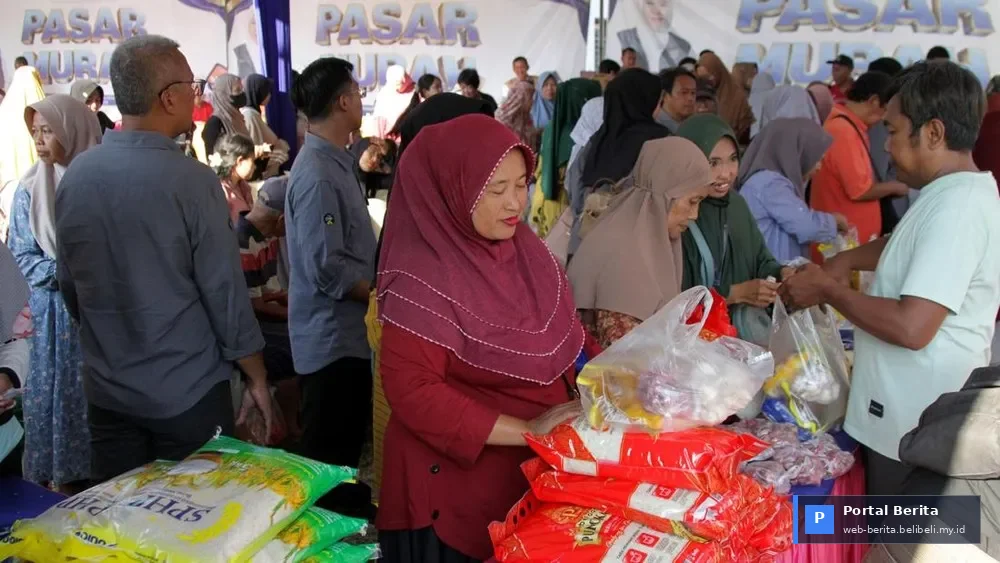
The latest affordable market event in Sidoarjo, which attracted hundreds of residents, demonstrates the crucial need for such initiatives. Various basic commodities like rice, cooking oil, sugar, and eggs are sold at below-market prices, providing direct relief for household budgets.
Maintaining Price Stability Amidst 2026 Challenges
Head of East Java Provincial Trade Office, Ms. Retno Wulandari, explained that the affordable markets are a proactive response by the regional government to global and domestic food price trends. “In 2026, we observe inflationary pressures from various sides, ranging from logistics costs to supply fluctuations. Therefore, this collaboration between Pemprov Jatim and Bulog is vital to ensure prices remain controlled and do not burden the community,” said Ms. Retno during the event.
Perum Bulog, as a state-owned enterprise mandated to ensure food availability and price stabilization, plays a significant role in supplying quality commodities. “We ensure secure stock and smooth distribution to the affordable market points. This is not just about selling cheaply, but also ensuring citizens receive food items of the best quality,” added a representative from Bulog East Java Region.
Positive Impact on Purchasing Power and Local Economy
Community participation in these affordable markets is very high. Ms. Fatimah, a homemaker from Sidoarjo, expressed her gratitude. “Prices of basic necessities are indeed quite high now. With this affordable market, I can save on my weekly grocery expenses. It's a significant help for buying other things for my children,” she stated.
Beyond merely easing the shopping burden, the affordable market program also has a ripple effect on the local economy. By maintaining price stability, the program helps prevent speculation and hoarding, creating a healthier market environment. Dr. Budi Santoso, an economist from Airlangga University, highlighted the importance of this intervention. “In the 2026 era, where global supply chains remain vulnerable, government-led affordable market initiatives are effective tools to preserve community purchasing power, especially for vulnerable groups. This also sends a strong signal to the market that the government is committed to maintaining price stability, which is essential for consumer confidence and the investment climate,” Dr. Budi explained.
Forward Steps: Sustainable Programs
Pemprov Jatim is committed to continuing and expanding the reach of these affordable markets until the end of 2026, especially ahead of major religious holidays or during periods of price surges. In addition to physical affordable markets, the regional government is also exploring more innovative food distribution models, including the use of digital platforms for ordering and pickup, to reach more citizens efficiently.
With strong synergy between the regional government, state-owned enterprises, and community support, the affordable market program is expected to continue serving as an effective economic buffer, ensuring that price stability and the purchasing power of East Java's residents remain secure in 2026 and beyond.
Frequently Asked Questions (FAQ)
What is the main goal of the East Java Provincial Government and Bulog's affordable market program?
The primary goal is to stabilize prices of basic food commodities, control inflation, and help ease shopping burdens while maintaining community purchasing power, particularly in 2026.What kinds of goods are typically available at these affordable markets?
Commonly available commodities include rice, cooking oil, granulated sugar, eggs, wheat flour, and sometimes fresh vegetables or meat products, all sold at below-market prices.How can residents find out about the schedule and locations of the affordable markets?
Information regarding the schedule and locations of affordable markets is usually announced through the official website of Pemprov Jatim, local Trade Office social media, announcements at sub-district/village offices, or through local mass media.