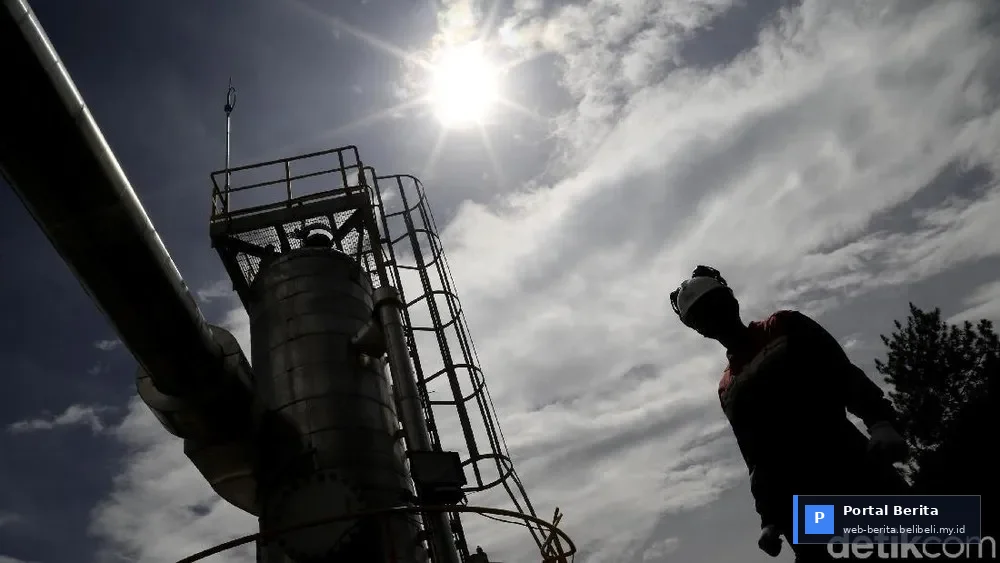
- PLN Indonesia Power (PLN IP) and Pertamina Geothermal Energy (PGE) are fast-tracking the development of an additional 45 MW capacity from existing geothermal power plants (GPP).
- This project is strategic in achieving Indonesia's 2030 renewable energy mix targets, ensuring a reliable and environmentally friendly power supply.
- The expansion leverages advanced technology and investment commitment for efficient and sustainable optimization of geothermal resources.
JAKARTA, June 22, 2026 — In a significant move to strengthen Indonesia's commitment to renewable energy, PLN Indonesia Power (PLN IP), in collaboration with Pertamina Geothermal Energy (PGE), is accelerating a project to add 45 megawatts (MW) of electricity capacity from an existing geothermal facility. This strategic initiative, a key focus in 2026, aims to optimize the potential of geothermal energy as a backbone of clean and reliable electricity supply for the nation.
Accelerating National Energy Transition
The development of this additional geothermal capacity comes at a crucial time, as Indonesia continues its efforts to achieve a 23% renewable energy mix target by 2030. By leveraging existing GPP infrastructure, this project offers an efficient and sustainable pathway to boost green energy production without the need for time-consuming and costly new site developments.
“This additional 45 MW from existing geothermal assets is tangible proof of our commitment to accelerate Indonesia's energy transition,” stated Mr. Darmawan Prasodjo, CEO of PLN, in a recent statement. “It's not just about adding numbers, but also about ensuring a resilient, efficient, and environmentally friendly electricity supply to support national economic growth.”
Innovation and Collaboration at the Forefront
The collaboration between PLN IP, one of Indonesia's largest electricity producers, and PGE, a key player in geothermal development, is expected to generate strong synergy. PGE brings deep expertise in geothermal exploration and exploitation, while PLN IP possesses extensive capabilities in power plant operations and maintenance.
“We are proud to partner with PLN Indonesia Power on this crucial project. Optimizing existing geothermal allows us to make a swift and significant contribution to national energy targets,” said Mr. Julfi Hadi, CEO of PGE. “Investing in more efficient drilling technology and energy conversion systems is key to our success in maximizing geothermal potential with minimal environmental impact.”
Widespread Positive Impact
The addition of 45 MW is expected to yield significant economic and environmental benefits. Environmentally, every megawatt of geothermal power generated substantially reduces carbon emissions compared to fossil-fuel-fired power plants. This will contribute to Indonesia's efforts in meeting global emission reduction targets.
Economically, this project will not only enhance the nation's energy security but also create local job opportunities and foster the development of supporting industries. Strategically located in areas with high geothermal potential, this development is also anticipated to be a catalyst for regional economic growth.
Energy analysts have widely welcomed this initiative. “The approach of expanding geothermal capacity from existing facilities is a smart strategy,” explained Dr. Siti Nurbaya, a renewable energy expert from the University of Indonesia. “It minimizes project risks, accelerates implementation timelines, and maximizes initial investments. This is a model that should continue to be developed.”
With this project gaining momentum in 2026, Indonesia is firmly on track towards a greener and more sustainable energy future.
Frequently Asked Questions (FAQ)
Q: What does 'existing geothermal' refer to in this project?
A: 'Existing geothermal' refers to geothermal power plants (GPPs) that are already operational or geothermal well areas that have been explored and have basic infrastructure in place.
Q: When is the 45 MW expansion project expected to be completed and fully operational?
A: With the acceleration underway in 2026, the project is anticipated to be completed and begin full operation by late 2027 or early 2028.
Q: How does this project contribute to Indonesia's renewable energy targets?
A: This project directly increases the national clean electricity capacity by 45 MW, helping Indonesia achieve its 23% renewable energy mix target by 2030 and reducing reliance on fossil fuels.