🔑 Key Takeaways
- Indonesia continues to be a global hotspot for kidney stone cases in 2026, primarily due to its tropical climate and evolving modern lifestyles.
- Urology experts point to chronic dehydration from high temperatures and dietary habits rich in sodium, sugar, and animal protein as key drivers.
- Effective prevention hinges on consistent hydration, balanced nutrition, and early detection through regular health screenings to mitigate the rising public health burden.
JAKARTA – As 2026 unfolds, Indonesia remains firmly entrenched in what medical experts term the 'stone belt of the world,' a region characterized by an unusually high prevalence of urolithiasis, commonly known as kidney stones. The alarming trend continues to put significant strain on the nation's healthcare system, with leading urologists emphasizing that a combination of environmental factors and increasingly sedentary modern lifestyles are at the heart of this persistent public health challenge.
The Tropical Climate: A Silent Contributor
One of the most undeniable culprits behind Indonesia’s high kidney stone incidence is its tropical climate. The pervasive heat and humidity across the archipelago lead to increased perspiration and, consequently, a higher risk of chronic dehydration if fluid intake isn't adequately maintained. "When the body is constantly fighting dehydration, urine becomes more concentrated," explains Dr. Angga Wijaya, a senior urologist at National Central Hospital. "This concentration creates an ideal environment for mineral salts – like calcium and oxalate – to crystallize and form stones in the kidneys. It's a physiological response to our environment that many unfortunately overlook." Data from the Ministry of Health for early 2026 indicates that hospitalizations due to kidney stone complications have seen a marginal increase compared to the previous year, underscoring the ongoing severity.
Lifestyle Shifts: A Modern Epidemic
Beyond climate, the rapid evolution of Indonesian lifestyles is playing an increasingly significant role. The proliferation of processed foods, sugary beverages, and diets high in sodium and animal protein contribute substantially to the problem. Urbanization often brings with it more sedentary habits and less time for meal preparation, leading to reliance on convenient, often unhealthy, options. "We're seeing a clear correlation between the adoption of more Westernized diets and an uptick in kidney stone diagnoses, especially among younger adults," notes Dr. Santoso. "High salt intake, for instance, increases calcium excretion in urine, while excessive sugar can alter urine composition, both paving the way for stone formation. Coupled with insufficient water intake and lack of physical activity, it's a perfect storm."
Mitigation and Prevention Strategies for 2026
Addressing this pervasive issue requires a multi-pronged approach. Public health campaigns launched by the Ministry of Health and the Indonesian Urological Association (IAUI) in early 2026 are focusing on widespread education regarding hydration and dietary modifications. Simple, yet effective, measures include:
- Increased Fluid Intake: Emphasizing plain water consumption throughout the day, especially in hot weather or during physical activity.
- Balanced Diet: Promoting reduced intake of high-sodium processed foods, sugary drinks, and excessive red meat, while encouraging fresh fruits, vegetables, and whole grains.
- Regular Exercise: Maintaining an active lifestyle can improve overall metabolic health and reduce risk factors.
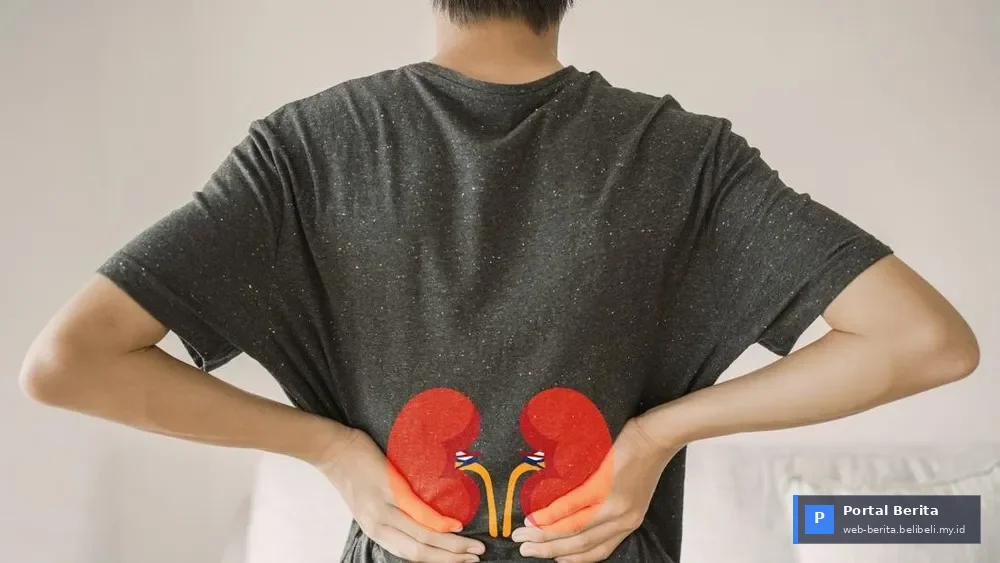
- Early Detection: Encouraging routine check-ups and being aware of early symptoms, such as flank pain or changes in urination patterns, to seek timely medical attention.
As Indonesia navigates the health challenges of 2026, experts stress that individual awareness and proactive preventative measures are the most potent tools against the rising tide of kidney stones. The battle against this common affliction is not merely a clinical one but a societal endeavor that requires collective commitment to healthier choices.
Frequently Asked Questions
- What are the early signs of kidney stones?
- Early signs can include sharp pain in the back or side, pain during urination, blood in urine, nausea, vomiting, and frequent urge to urinate. Pain often starts subtly and intensifies.
- Can kidney stones recur after treatment?
- Yes, kidney stones have a high recurrence rate. Without preventative measures, individuals who have had one stone have a 50% chance of developing another within 5-10 years. Lifestyle changes are crucial for prevention.
- How much water should I drink daily to prevent kidney stones?
- General recommendations suggest drinking 2.5 to 3 liters (around 8-10 glasses) of water daily, enough to produce clear or very light yellow urine. Individual needs may vary based on activity level and climate.