🔑 Key Takeaways
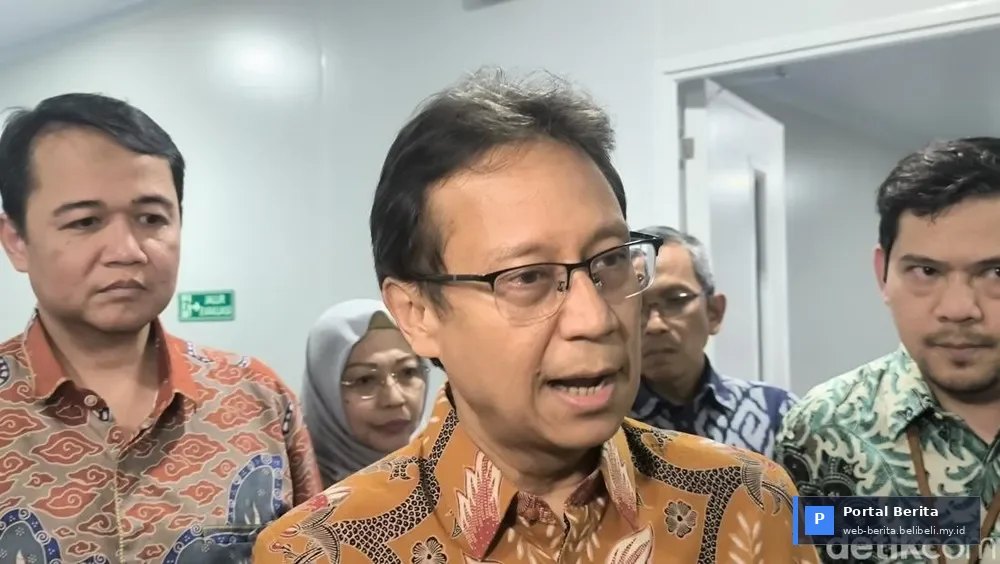
- Indonesia's Minister of Health, Budi Gunadi Sadikin, has formally launched his bid for the World Health Organization Director-General post for the 2027-2032 term.
- Global health security experts emphasize proven crisis leadership, a strong commitment to health equity, and a robust vision for organizational reform as critical prerequisites.
- Sadikin's candidacy is bolstered by his track record in digital health transformation and the management of Indonesia's COVID-19 pandemic response.
Geneva, Switzerland – As the election for the next Director-General of the World Health Organization (WHO) for the 2027-2032 term draws closer, the global stage is heating up. Among the candidates attracting significant attention is Indonesia's Minister of Health, Budi Gunadi Sadikin, who has officially entered the race for this highly coveted global health leadership position. His candidacy emerges amidst strong calls from global health security practitioners and experts, outlining fundamental prerequisites for the WHO's next leader.
The Candidacy Unveiled: A Global Spotlight
In the 2026 global health landscape, still grappling with post-pandemic challenges and emerging health threats, the need for visionary leadership at the WHO is more urgent than ever. Budi Gunadi Sadikin, with his unique background as a technocrat and his experience leading the Ministry of Health in the world's fourth-most populous developing nation, brings a fresh perspective. His bid is seen as a strong representation of the Global South, which has long advocated for a greater voice in global health governance.
Criteria for Global Health Leadership in 2026
Global health security experts assert that the next WHO Director-General must possess multifaceted qualities to navigate the complexities ahead. “The next WHO Director-General must be a proven crisis manager with a deep understanding of health equity and the political acumen to drive significant organizational reform,” stated Dr. Anya Sharma, Director of the Global Health Security Institute, in a recent briefing. She added that the focus must be on enhancing global pandemic preparedness, accelerating universal health coverage, and ensuring the WHO's stable financial sustainability.
Other vital conditions outlined include the ability to build consensus among diverse member states and expertise in leveraging digital technologies to improve health systems worldwide. “Inclusive and transformative leadership is key to rebuilding trust and effectiveness within the WHO,” Dr. Sharma emphasized.
Sadikin's Strengths: A Digital Health Pioneer and Crisis Manager
Budi Gunadi Sadikin's tenure as Indonesia's Health Minister has been marked by significant strides in digital health transformation, including the launch of integrated health data platforms and the acceleration of primary care digitalization. This experience is highly relevant as the WHO continues to champion a global digital health agenda. Furthermore, his leadership in navigating Indonesia's COVID-19 response, particularly in large-scale vaccination rollout and health infrastructure strengthening, positions him as a candidate with a solid operational track record in crisis management. Support from the bloc of developing nations is expected to be a significant pillar of his campaign.
The Road Ahead: Geopolitics and Global Consensus
However, the path to the WHO's top job is fraught with challenges. The successful candidate must navigate complex geopolitical dynamics, secure consensus among member states with diverse priorities, and demonstrate a clear vision for an agile and effective WHO. Considerations regarding WHO governance reform, funding models, and the agency's role in future health crises remain critical discussion points that every candidate must address. Sadikin's campaign will involve intensive diplomatic efforts to convince member states of his vision and capability to lead the WHO through the coming decade.
Frequently Asked Questions (FAQ)
When will the next WHO Director-General be elected?
The election process and campaigning are underway in 2026, with the announcement of the Director-General for the 2027-2032 term expected by late 2026 or early 2027.
What are the key qualities sought in the next WHO DG?
Key qualities include proven crisis leadership, a strong commitment to global health equity, robust diplomatic capabilities, and a clear vision for WHO reform and effectiveness.
Why is Budi Gunadi Sadikin's candidacy considered significant?
Sadikin's candidacy is significant because he brings a perspective from the Global South, practical experience in digital health transformation, and a solid track record in managing large-scale public health responses during the pandemic.