🔑 Key Takeaways
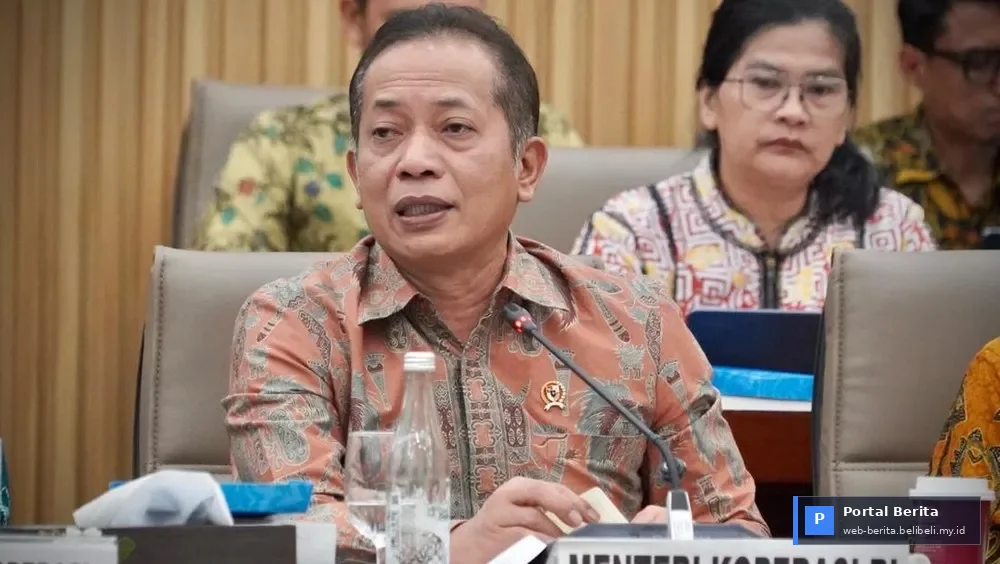
- Minister of Cooperatives and SMEs, Ferry Agustian, announced the inauguration of Koperasi Produsen Agro Lestari (KPAL)'s integrated CPO factory and Solar Power Plant (PLTS) in early August 2026.
- The IDR 85 billion project, located in Meranti Regency, Riau, aims to add value for local palm oil farmers and significantly reduce carbon emissions.
- The 2 MWp integrated solar power plant will fulfill up to 80% of the factory's energy needs, setting a new standard for sustainable and energy-independent plantation operations.
JAKARTA, July 28, 2026 – Indonesia's palm oil sector is poised for a new era of sustainability and energy independence. The Minister of Cooperatives and Small and Medium Enterprises (SMEs), Ferry Agustian, announced that he would inaugurate an integrated Crude Palm Oil (CPO) factory and Solar Power Plant (PLTS) managed by Koperasi Produsen Agro Lestari (KPAL) in early August 2026. This ambitious project is expected to become a beacon for other cooperatives in adopting greener and more sustainable business practices.
Strategically located in Meranti Regency, Riau, this modern factory complex represents a significant investment of approximately IDR 85 billion. According to Minister Agustian, this initiative is not just about building a production facility, but a transformative business model that will empower thousands of palm oil farmers in the region.
Sustainable Vision for Palm Oil Farmers
“This is a monumental step for Koperasi Produsen Agro Lestari and all its member farmers. With a CPO factory managed by the cooperative itself, farmers will no longer just sell fresh fruit bunches (FFB) but also enjoy the added value from processed products. Profits will directly return to cooperative members, significantly improving their welfare,” Minister Ferry Agustian explained during a virtual press conference yesterday. He added that this integrated business model aligns with the government's agenda to promote downstream processing of agricultural products through cooperatives.
The CPO factory is designed to process up to 30 tons of FFB per hour, equivalent to approximately 150,000 tons of FFB per year. With the latest technology, oil extraction efficiency is expected to reach 22-23%, higher than the average for small-scale industries. This means more CPO produced from the same amount of FFB, maximizing farmer income.
Energy Independence with Solar Power
One of the project's most innovative features is the integration of a 2 Megawatt-peak (MWp) Solar Power Plant (PLTS) that will support most of the factory's energy needs. “This PLTS integration is not just a symbol of commitment to clean energy, but also a practical solution to reduce long-term operational costs,” said David Santoso, a renewable energy observer from Gadjah Mada University. “Amid global energy price fluctuations, having a self-sufficient, sustainable electricity source will give KPAL a significant competitive advantage and contribute to Indonesia's net-zero emission targets.”
The PLTS is estimated to meet up to 80% of the factory's daily electricity needs, reducing reliance on diesel or potentially expensive PLN grid electricity in remote areas. It will also save approximately 2,500 tons of CO2 emissions per year, a tangible contribution to climate change mitigation.
Economic and Social Impact
The Chairman of Koperasi Produsen Agro Lestari, Mr. Suryadi, expressed his excitement. “This is a dream come true for us. For years, we depended on middlemen and uncertain prices. Now, we control our own destiny. This factory will create hundreds of local jobs, from factory operations to logistics and administration, providing a cascading positive impact on our community.”
The project is expected to serve as a national benchmark, proving that cooperatives can be major players in sustainable and modern processing industries. The government hopes this model can be replicated in other regions, strengthening rural economic structures and ensuring a fairer distribution of wealth from Indonesia's natural resources.
❓ Frequently Asked Questions
- When will the CPO factory and solar power plant be inaugurated?The inauguration is scheduled for early August 2026 by the Minister of Cooperatives and SMEs, Ferry Agustian.
- What are the production capacities of the CPO factory and the solar power plant?The CPO factory can process up to 30 tons of fresh fruit bunches (FFB) per hour, while the solar power plant has a capacity of 2 Megawatt-peak (MWp).
- What are the main benefits of this project for farmers and the environment?Key benefits include increased added value and welfare for farmers through downstream processing, creation of local jobs, and reduction of carbon emissions and operational costs through solar energy use.