🔑 Key Takeaways
- Bulog launched a rapid logistical response to Nusa Tenggara Timur (NTT) following a significant earthquake in early 2026, distributing thousands of tons of rice and cooking oil.
- This operation underscores Bulog's crucial role in national food security and supply chain stability during crises, preventing regional inflationary spikes.
- The event highlights the importance of sustained investment in disaster logistics infrastructure and early warning systems to ensure the economic continuity of affected regions.
Kupang, NTT – Nusa Tenggara Timur (NTT) faced another challenge as a M6.8 earthquake struck several of its islands in early 2026, raising serious concerns about economic stability and food security. However, the swift response from Perum Bulog quickly defused a potential crisis, affirming the state-owned enterprise's vital role in maintaining the region's economic lifeline.
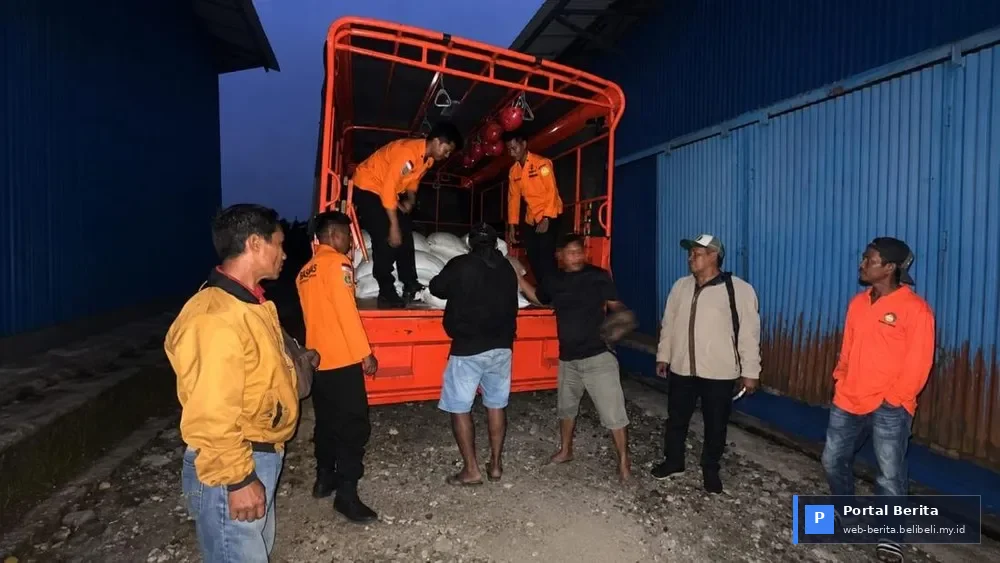
Within less than 24 hours of the incident, Bulog's logistics teams successfully delivered the initial phase of essential food aid, including over 1,500 tons of rice and 500,000 liters of cooking oil, to distribution centers in Labuan Bajo, Waingapu, and Atambua. This speed was made possible by an integrated stock management system and optimized distribution routes that have been aggressively developed since 2024.
Bulog: Guardian of Economic Stability Amidst Disaster
Perum Bulog's President Director, Budi Waseso, emphasized, 'Our investments in smart logistics technology and strategically located regional warehouses have now paid off. This is not just about humanitarian aid; it's about maintaining market price stability, preventing hoarding, and ensuring that affected communities can begin their economic recovery process without being burdened by soaring food prices.'
Initial economic analysis suggests that without Bulog's rapid intervention, prices of staple commodities in local markets could have surged by 20-30% within a short period, exacerbating the disaster's economic impact. The availability of affordable rice and cooking oil is crucial for preserving community purchasing power and minimizing disruptions to micro and small businesses, which form the backbone of NTT's economy.
Economic Impact and Recovery Strategy
The 2026 earthquake, while not causing national-scale infrastructure damage, posed significant challenges for local tourism and agriculture sectors. Many accommodations and tourism support facilities on smaller islands suffered structural damage, while rice fields and plantations faced risks of crop failure due to irrigation disruptions.
Dr. Amelia Putri, a development economist from the University of Indonesia, commented, 'This event in NTT is a real-world case study on the importance of food logistics resilience in maintaining regional economic stability. Bulog's rapid response not only averted a humanitarian crisis but also provided breathing room for local governments to focus on vital infrastructure reconstruction and the revitalization of key sectors like tourism and fisheries without having to worry about food scarcity.' She added, 'In the 2026 context, it also demonstrates the extent to which the digitalization of supply chains has accelerated disaster response.'
The Future of Disaster Resilience in NTT
The NTT Provincial Government, alongside the National Disaster Management Agency (BNPB) and relevant ministries, is formulating a comprehensive medium-term recovery plan. This plan includes rebuilding more resilient infrastructure, diversifying the local economy to reduce dependence on a single sector, and strengthening community-based early warning systems.
With this experience, Bulog plans to expand its network of regional warehouses in eastern Indonesia and increase its strategic food reserves capacity. The goal is to ensure that in the future, any disaster threat can be met with the same speed and efficiency, protecting not only lives but also the economic stability and livelihoods of communities.
Frequently Asked Questions
Q: What was Bulog's primary role in addressing the NTT disaster?
A: Bulog acted as the frontline in distributing essential food aid (rice, cooking oil) and simultaneously maintaining market price stability to prevent inflation and economic panic in affected areas.
Q: How was Bulog able to respond so quickly in 2026?
A: Bulog's rapid response in 2026 is the result of significant investments in smart logistics infrastructure, strategic regional warehouses, and integrated stock management systems enabling swift distribution.
Q: What are the long-term economic impacts of this earthquake on NTT?
A: Long-term, this earthquake is driving investments in more resilient infrastructure, economic diversification, and enhanced early warning systems to ensure better regional economic resilience in the future.