🔑 Key Takeaways
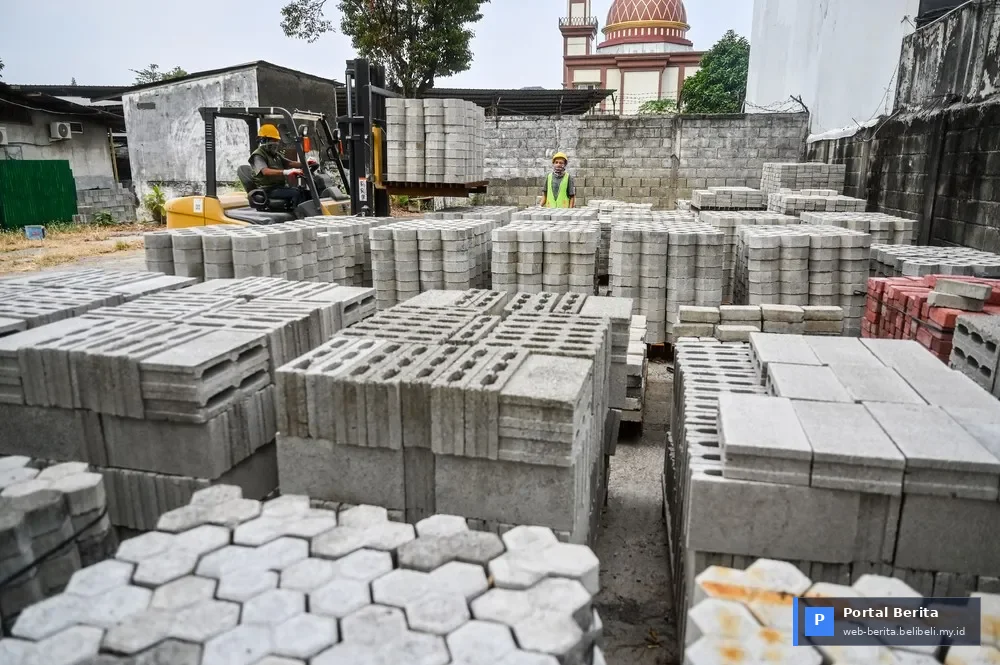
- By 2026, Jakarta is transforming one ton of plastic waste into 500 square meters of paving blocks daily.
- This initiative presents a sustainable business model with significant investment opportunities in the green materials sector.
- The project effectively reduces plastic waste, creates jobs, and supports the city's sustainability targets.
Jakarta 2026: Transforming Plastic Waste into Economic Assets
Jakarta, Indonesia's bustling capital, continues to solidify its position as a pioneer in the circular economy by 2026. One of the most significant breakthroughs is the conversion of previously unmanaged plastic waste into high-quality paving blocks. This initiative is not merely a waste management solution but a sustainable business model promising substantial financial returns and significant environmental benefits.
Innovation Behind the Numbers: One Ton of Waste, 500 Square Meters of Paving
The technology for processing plastic waste into paving blocks has reached operational maturity across various facilities in Jakarta. In standard operations by 2026, every single ton of collected and processed plastic waste can yield approximately 500 square meters of paving. This demonstrates remarkable efficiency in transforming an environmental problem into a high-value construction product.
"The economic potential of this technology is immense," states Mr. Rudi Hartono, CEO of PT Paving Lestari, a leading company in this sector. "With continuously rising infrastructure demand and growing sustainability awareness, plastic paving blocks offer a dual solution: reducing waste and providing a strong, durable material."
Business and Investment Opportunities in the Sustainable Materials Era
The sector dedicated to transforming plastic waste into construction materials has attracted significant attention from investors and businesses in 2026. Its business model encompasses waste collection, recycling processes, paving block production, and distribution to both urban and private development projects. Attractive profit margins, combined with government support for the green economy, make this a fertile ground for investment.
The DKI Jakarta Provincial Government has integrated the use of recycled materials into various city infrastructure projects, creating a stable market for these products. Market analysts project the value of the recycled paving block market in Jakarta and its surrounding areas could reach billions of rupiah by the end of this year, driven by green procurement policies and increasing consumer demand.
Favorable Environmental and Social Impacts
Beyond the economic aspects, the environmental and social benefits of this project are undeniable. Every ton of plastic waste converted into paving blocks means one less ton ending up in landfills, polluting oceans, or being incinerated. This contributes significantly to Jakarta's carbon emission reduction targets and waste management goals.
Socially, this initiative also creates new job opportunities, ranging from organized waste pickers to processing plant workers. Public education programs on waste segregation are also strengthened, fostering more responsible habits among citizens.
Challenges and Future Prospects
Despite its promise, this sector also faces challenges, including fluctuations in the supply of certain types of plastic waste and the need for broader product standardization. However, with continuous innovation in processing technology and proactive regulatory support, the prospects remain bright. By 2026, there is optimism that this technology will be replicated in other Indonesian cities, bringing even wider positive impacts.
Frequently Asked Questions (FAQ)
Are plastic paving blocks as strong as conventional ones? Plastic paving blocks are engineered to possess comparable or even superior strength and durability to conventional paving, especially when facing extreme weather and light to moderate loads.
What types of plastic waste can be processed? Generally, various plastic types such as PP (polypropylene), PE (polyethylene), and PET (polyethylene terephthalate) can be processed, often mixed to achieve an optimal material formulation.
How does this project support the circular economy? This project supports the circular economy by transforming valueless waste into valuable new products, reducing the need for virgin raw materials and minimizing landfill waste.