🔑 Key Takeaways
- The Ministry of Health (MoH) has dispatched specialist orthopedic teams to East Nusa Tenggara (NTT) following a powerful M7.0 earthquake in Manggarai earlier in 2026.
- Medical intervention is primarily focused on bone fracture victims of all ages, with particular attention to children, supported by the establishment of field hospitals and optimized local medical facilities.
- This initiative underscores the government's commitment to comprehensive health recovery, including long-term rehabilitation and the strengthening of more resilient health infrastructure for the future.
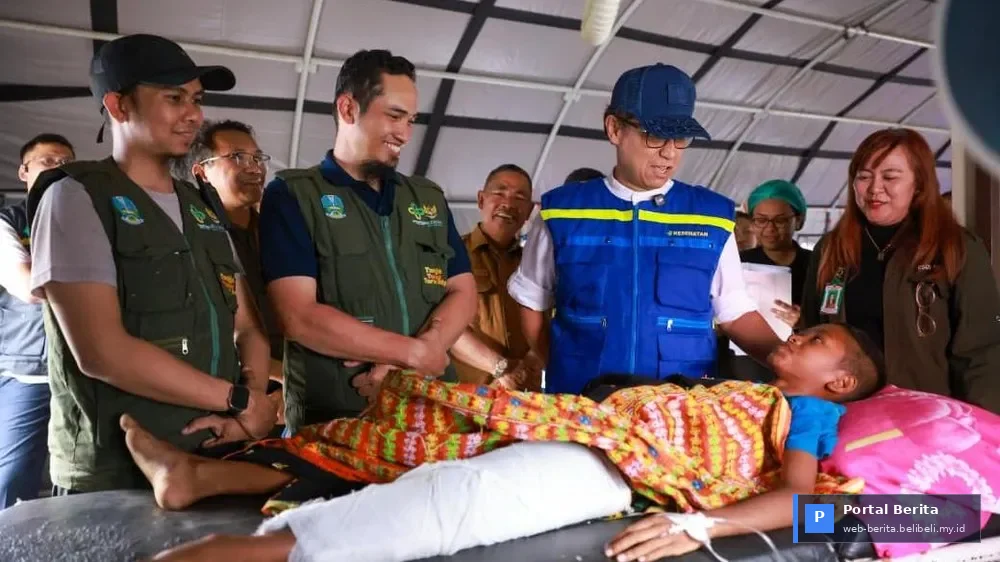
RUTENG, NTT – In the wake of a powerful M7.0 earthquake that struck the Manggarai region of East Nusa Tenggara (NTT) in early 2026, Indonesia's Ministry of Health (MoH) has swiftly mobilized extensive medical aid. The Minister of Health, Dr. Budi Santoso, has reportedly conducted a direct review of the conditions at Ruteng Regional General Hospital (RSUD Ruteng) to ensure optimal health response efforts.
During his visit, Minister Santoso emphasized the urgency of rapid and precise treatment for earthquake casualties, especially those suffering from bone fractures. Thousands of residents were affected by the quake, with hundreds sustaining serious injuries, including fractures that necessitate specialist intervention.
Swift and Strategic Ministry of Health Response
As a concrete measure, the MoH has deployed specialist orthopedic doctors, along with supporting medical personnel, to NTT. “The treatment of bone fractures, particularly in children, requires specific expertise. Children's bones are still growing, and improper treatment can have lifelong consequences,” stated Minister Santoso while interacting with the media at RSUD Ruteng. The medical team deployed comprises orthopedic surgeons, anesthesiologists, trauma-trained nurses, and physiotherapists ready to provide comprehensive medical services.
The team's primary focus is to ensure that every fracture patient, from toddlers to the elderly, receives accurate diagnosis and treatment. This is crucial for preventing complications and ensuring optimal recovery of limb function.
Field Hospitals and Optimization of Medical Facilities
Beyond dispatching specialist teams, the MoH has also initiated the establishment of field hospitals at several strategic locations in Manggarai. These field hospitals serve as initial triage centers, stabilization points for critical patients, and facilities for emergency minor surgical procedures, thereby significantly alleviating the burden on RSUD Ruteng and other referral hospitals.
Minister Santoso added that advanced medical equipment, including diagnostic imaging devices and orthopedic surgical instruments, has also been dispatched. “We are ensuring that RSUD Ruteng and nearby health facilities have everything needed to provide the best possible care. Collaboration with the Indonesian Medical Association (IDI) NTT Branch and referral hospitals in other regions is also being strengthened,” Dr. Santoso explained.
Long-Term Recovery and Strengthening Health Infrastructure
Looking ahead, the MoH is not only concentrating on the emergency phase but also designing long-term recovery programs. These include intensive post-operative rehabilitation programs, providing psychosocial support for trauma victims, and plans to rebuild and fortify health infrastructure to be more resilient against future disasters.
The Head of the NTT Provincial Health Office, Dr. Mira Wijaya, underscored the importance of this holistic approach. “This is not just about treating physical injuries; it's also about rebuilding the mental resilience of the community and the robustness of our healthcare system to be better prepared for potential future disasters. We learn from every event to continuously enhance our capacity,” she added.
With strong commitment from both central and regional governments, and support from various stakeholders, it is anticipated that the health recovery of NTT's population post-earthquake will proceed effectively, ensuring every victim receives the best care and returns to normal life as quickly as possible.
Frequently Asked Questions (FAQ)
- What are the most common types of injuries after an earthquake?
The most common injuries include bone fractures, lacerations, mild to moderate head injuries, and crush trauma resulting from collapsed buildings or falling debris. - How quickly does medical aid reach remote areas in NTT after an earthquake?
With coordination between central and regional governments, emergency medical teams and logistics can typically reach remote areas within 24-48 hours after the event, although geographical challenges and infrastructure damage can affect response times. - What is the long-term plan for children recovering from serious fractures?
Children who suffer serious fractures will receive integrated rehabilitation programs, including continuous physiotherapy, regular bone growth monitoring, and psychosocial support to ensure optimal functional recovery and long-term quality of life.