🔑 Key Takeaways
- Indonesia targets 4 million kiloliters (KL) of ethanol production in 2026 to support its E20 program, aiming to cover approximately 10% of the national gasoline demand of 40 million KL annually.
- This initiative seeks to significantly reduce fuel import dependency, save foreign exchange, and bolster national energy security amidst global market volatility.
- Achieving the ethanol target necessitates substantial investment in developing sustainable feedstocks like sugarcane and cassava, alongside expanding processing and distribution infrastructure.
JAKARTA, 2026 – Amidst global energy market fluctuations, Indonesia is intensifying its strategic moves towards energy self-sufficiency by ramping up national ethanol production. This year, 2026, the government targets an ambitious 4 million kiloliters (KL) of ethanol production to support the implementation of its Ethanol-Blended Gasoline 20 (E20) program, which is expected to significantly curb fuel imports.
The Ministry of Energy and Mineral Resources (ESDM) projects national gasoline demand to remain stable at approximately 40 million KL annually. With the E20 program, where 20% of the gasoline blend comes from ethanol, the requirement for 4 million KL of ethanol becomes crucial in reducing reliance on imported fossil fuels.
Boosting Energy Security and Foreign Exchange Savings
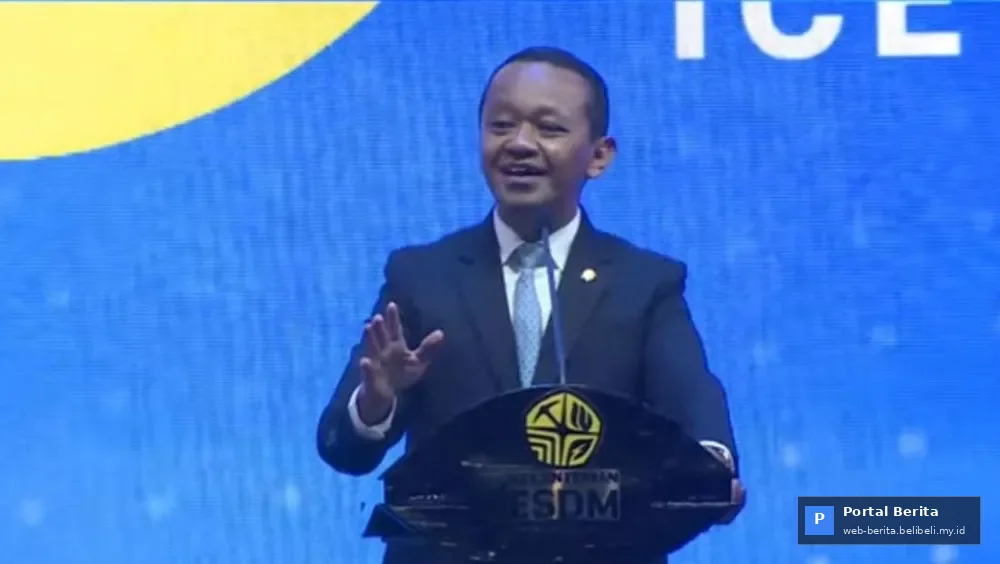
This progressive step is seen as a cornerstone of Indonesia's energy resilience strategy. Minister of Investment/Head of BKPM, Mr. Bahlil Lahadalia, emphasized the government's commitment. “The E20 program is not merely a fuel blend; it is a manifestation of our grand vision for energy independence and foreign exchange savings,” Mr. Bahlil stated at a recent investment forum. “By reducing imports by up to 4 million KL of gasoline through ethanol substitution, we are not only securing our energy supply but also redirecting billions of dollars previously spent on imports into domestic development capital.”
Energy analyst, Dr. Citra Lestari from the National Energy Study Center, added that E20 also offers substantial environmental benefits. “The use of ethanol in gasoline blends has been proven to reduce greenhouse gas emissions and other air pollutants. This is a dual-benefit approach: addressing energy challenges while contributing to our climate targets,” she explained.
The National Ethanol Production Challenge: Securing 4 Million KL
Achieving the 4 million KL ethanol target is not without its challenges. The primary sources of ethanol in Indonesia are sugarcane and cassava. To meet such a substantial volume, a massive increase in raw material cultivation is required, encompassing land availability, agricultural technology, and farmer incentives.
“The government, through the Ministry of Agriculture and state-owned food enterprises, is working diligently to ensure a sustainable supply of sugarcane and cassava feedstocks,” said Mr. Hadi Susilo, Director General of New, Renewable Energy and Energy Conservation (EBTKE) at ESDM. “Upstream-downstream integration, from plantations to distillation plants, is key. We are encouraging investment in both the agricultural and processing industries to build a robust ecosystem.”
Infrastructure Investment and New Economic Opportunities
To support the production and distribution of E20, significant investment is needed in infrastructure. The construction of new ethanol plants, upgrading of existing plant capacities, and adequate distribution networks are priorities. The Ministry of Investment notes significant interest from both local and foreign investors in these renewable energy projects.
This program is also expected to create thousands of new jobs, ranging from the agricultural sector to processing and distribution industries. This will provide a significant economic boost to rural areas producing raw materials. “E20 is not just about energy, but also about strengthening the grassroots economy through agricultural commodity diversification and value creation,” commented Ms. Kartika Dewi, a development economist.
Long-Term Vision and Consumer Adoption
The government is optimistic that the E20 program will proceed smoothly and lay the foundation for more ambitious energy mix programs in the future, such as E30 or even E40. Public education and guaranteed availability are crucial factors for the successful adoption of E20 by consumers.
With full support from various ministries and stakeholders, Indonesia is ready to move further in achieving energy independence, reducing its carbon footprint, and building a more resilient economy in 2026 and beyond.
Frequently Asked Questions (FAQ)
- What is the E20 program? The E20 program is an Indonesian government initiative to blend gasoline with 20% ethanol, aimed at reducing fossil fuel imports and increasing the use of renewable energy.
- What are the main benefits of E20 for Indonesia? The main benefits include reduced reliance on fuel imports, foreign exchange savings, contribution to greenhouse gas reduction, and the creation of new economic opportunities in the agricultural and industrial sectors.
- What raw materials are used for ethanol production in Indonesia? The primary raw materials used for ethanol production in Indonesia are sugarcane and cassava.