🔑 Key Takeaways
- Chicken breast is an excellent lean protein source, but relying solely on it for a diet risks essential nutrient deficiencies.
- A balanced diet in 2026 emphasizes variety, combining chicken breast with diverse vegetables, whole grains, fruits, and healthy fats for complete nutritional intake.
- Consulting a nutritionist is crucial to designing a personalized, safe, and effective diet plan that ensures all nutritional needs are met.
Jakarta, May 21, 2026 – In the ever-evolving landscape of health and fitness in 2026, chicken breast continues to reign supreme among individuals striving for weight loss. Its image as a low-calorie, high-protein 'diet food' often positions it as a 'simple' and effective choice. However, a crucial question persistently arises: is simply consuming chicken breast enough to meet the body's overall nutritional needs and achieve healthy, sustainable weight loss?
Nutrition experts in 2026 universally agree that while chicken breast is a valuable component of a diet, making it the sole primary pillar is an outdated and potentially detrimental approach. The human body requires a much broader spectrum of nutrients beyond just protein to function optimally.
Chicken Breast: An Undeniable Protein Powerhouse
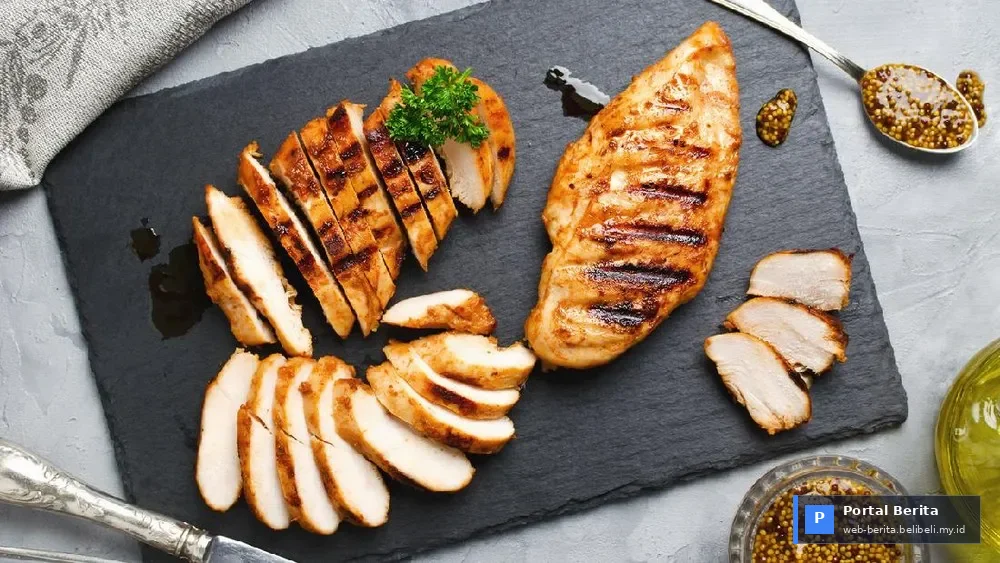
Undoubtedly, chicken breast is an excellent source of high-quality animal protein. Protein is essential for muscle building and repair, hormone production, and maintaining satiety longer, which is crucial in weight loss programs. With its low saturated fat content, chicken breast is indeed a smart choice for managing calorie intake.
“Chicken breast is a champion when it comes to lean protein,” stated Dr. Maya Chandra, a leading clinical nutritionist in Jakarta, at a recent health conference. “Protein helps preserve your muscle mass when you cut calories, which is vital for a healthy metabolism. However, in 2026, we must move beyond the single-food diet mentality. Health is about synergy.”
The 'Monodiet' Trap and Nutritional Deficiencies
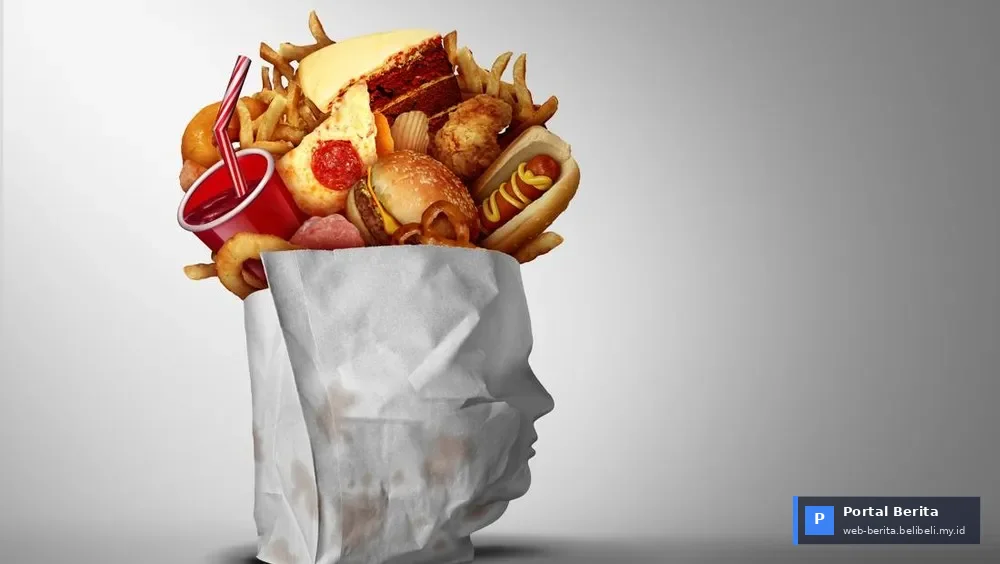
The problem arises when chicken breast, or any single food, dominates your plate. While rich in protein, chicken breast alone does not provide all the essential vitamins, minerals, fiber, and healthy fats your body needs.
- Vitamin and Mineral Shortfalls: A monotonous diet can lead to deficiencies in critical micronutrients such as vitamins C, E, K, folate, magnesium, potassium, and calcium, which are vital for immune function, bone health, and energy.
- Absence of Fiber: Fiber, abundant in fruits, vegetables, and whole grains, is indispensable for digestive health, regulating blood sugar, and providing a feeling of fullness. Chicken breast contains no fiber.
- Overlooked Healthy Fats: Healthy fats (monounsaturated and polyunsaturated) from avocados, nuts, seeds, and olive oil play crucial roles in the absorption of fat-soluble vitamins, brain health, and reducing inflammation.
“Relying solely on chicken breast is a recipe for nutritional deficiency and an unsustainable diet,” Dr. Chandra added. “You might lose weight initially, but you'll also lose energy, potentially harm your metabolism long-term, and set yourself up for an unhealthy yo-yo cycle. The holistic approach in 2026 is key.”
Healthy Diet Strategies in 2026: Variety is Key
Instead of a chicken breast 'monodiet,' the recommended strategy in 2026 is integration. Chicken breast should be part of a colorful and varied plate:
- Vegetable Feast: Fill half your plate with a variety of non-starchy vegetables (broccoli, spinach, bell peppers, cauliflower) cooked in diverse ways.
- Whole Grains: Add a moderate portion of whole grains like brown rice, quinoa, or sweet potatoes for complex carbohydrates and fiber.
- Healthy Fats: Include sources of healthy fats such as sliced avocado, a drizzle of olive oil, or a handful of nuts.
- Protein Rotation: Vary your protein sources. In addition to chicken breast, incorporate fatty fish (salmon), eggs, tofu, tempeh, and legumes (beans, lentils) into your weekly menu.
In 2026, with easy access to nutritional information and technological advancements, there's no excuse for unhealthy dieting. Remember, the ultimate goal isn't just weight on the scale, but long-term health and vitality. Always consider consulting a registered nutritionist for a personalized and safe diet plan.
Frequently Asked Questions (FAQ)
1. Is chicken breast the best protein source for weight loss?
Chicken breast is an excellent lean protein source, making it a strong choice. However, 'best' is subjective and depends on individual needs and overall diet. Variety in protein sources is crucial.
2. What should I pair with chicken breast for a balanced meal?
For a balanced meal, combine chicken breast with plenty of non-starchy vegetables, a serving of whole grains (like quinoa or brown rice), and healthy fats (like avocado or olive oil).
3. How often can I eat chicken breast in a week?
Chicken breast can be a regular part of your diet. Aim for 2-3 servings of poultry per week, varying with other lean proteins like fish, legumes, and eggs, as part of a balanced overall diet.