🔑 Key Takeaways
- The full implementation of Indonesia's Multi Lane Free Flow (MLFF) contactless toll payment system remains unrealized in 2026, raising significant questions about infrastructure modernization.
- Delays are attributed to technical complexities, regulatory challenges, infrastructure readiness, and user adoption issues.
- The prolonged MLFF delay continues to impact logistics efficiency, fuel wastage, and potential economic losses for the nation.
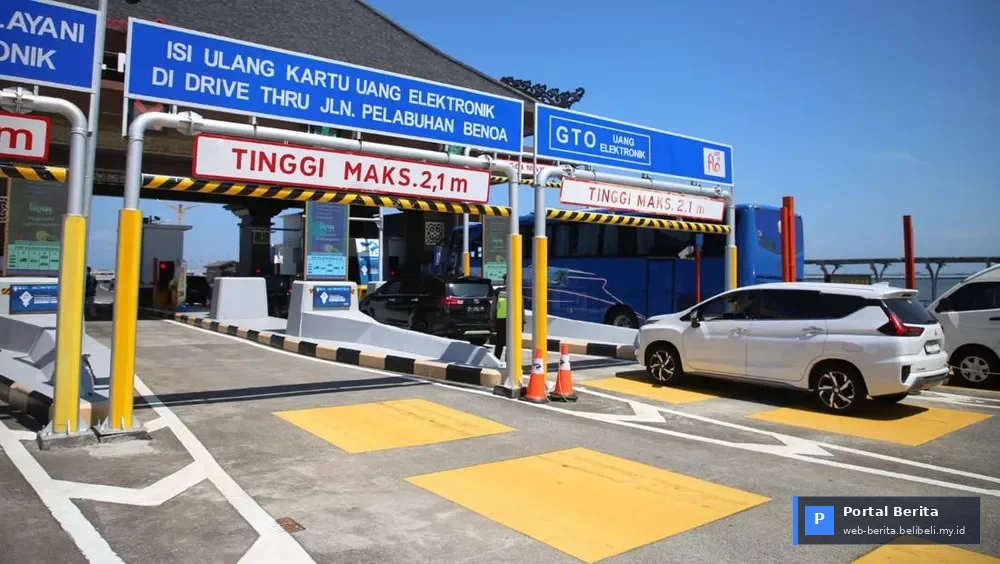
JAKARTA – After years of anticipation as a revolutionary solution to toll gate congestion, Indonesia’s Multi Lane Free Flow (MLFF) contactless toll payment system is still not nationally operational in early 2026. The ambition to achieve seamless, barrier-free, and more efficient toll road travel appears to remain a distant reality, fueling frustration among road users and businesses alike.
The promise of modernization, heralded several years ago, is now under intense scrutiny. Why does technology successfully implemented in various other countries still face such a challenging road in Indonesia?
Obstacles Behind the MLFF Delay
The continuous delays in MLFF implementation are not without reason. A variety of complex technical, regulatory, and infrastructure readiness factors are the primary causes:
- Technical Integration Complexities: The MLFF system requires the highly advanced integration of hardware (cameras, sensors) and software across all toll road segments. Challenges arise in ensuring accurate vehicle detection and data synchronization between various toll concessionaires.
- Unresolved Regulatory Framework: The aspect of law enforcement against violators (non-paying users) remains a hurdle. Clear and systematic regulations are needed regarding fines, collection mechanisms, and vehicle ownership data validation.
- Infrastructure Readiness: Not all toll road segments possess adequate supporting infrastructure for MLFF. Significant investment is required for communication system upgrades, electricity provision, and modification of existing toll gates.
- User Education and Readiness: The shift from card-based payment to application-based systems requires massive socialization. Concerns about data privacy and technical confusion among users must also be addressed.
Economic Impact of the Delay
The prolonged MLFF delay carries significant economic consequences. “Every delay in MLFF implementation means unnecessary loss of time and fuel for millions of road users daily,” stated Dr. Aditya Pratama, an expert in transportation economics from the Center for Infrastructure Economic Studies. “This isn’t just about convenience; it’s about hampered national logistics efficiency, reducing our economic competitiveness.”
Avoidable queues at toll gates lead to fuel wastage, increased carbon emissions, and lost productivity. The logistics sector, in particular, is heavily impacted, as uncertain travel times add to operational costs and slow down the supply chain.
Moving Forward: Towards Delayed Modernization
The government, through the Toll Road Regulatory Agency (BPJT), continues to claim that MLFF implementation efforts are ongoing, with a focus on finalizing regulatory aspects and developing a more robust system. “We are committed to ensuring that the MLFF system implemented will be truly secure, accurate, and reliable for the public,” said a BPJT representative in a recent press statement. “Pilot projects on selected toll segments are continuously and intensively evaluated throughout 2026 to refine the technology and operational processes.”
However, the public demands clarity and a firm timeline. Without transparency and strong execution, Indonesia’s vision for a modern and efficient toll road system risks remaining an aspiration.
FAQ: Frequently Asked Questions About MLFF
- What is the MLFF system and how does it work?
MLFF (Multi Lane Free Flow) is a contactless toll payment system that allows vehicles to pass through toll gates without slowing down or stopping. It uses GNSS (Global Navigation Satellite System) technology or ANPR (Automatic Number Plate Recognition) cameras to detect vehicles and automatically deduct e-money balances from associated applications.
- Why has MLFF not been fully implemented in Indonesia by 2026?
MLFF implementation is delayed due to several factors, including technical challenges in integrating the system across various toll road segments, an unfinished regulatory framework concerning enforcement for violators, and the need for extensive public socialization and education for road users.
- When is MLFF expected to be fully operational across all Indonesian toll roads?
As of 2026, there is no definitive timeline for national MLFF implementation. The government is still in the evaluation and refinement stages of the system through pilot projects on selected toll segments, with promises to accelerate the process once all technical and regulatory aspects are resolved.