🔑 Key Takeaways
- Effective July 1, 2026, e-commerce platforms will officially be appointed as collectors of Income Tax (PPh) Article 22 on online sales transactions.
- This policy aims to simplify tax obligations for millions of online merchants in Indonesia, reducing their administrative burden.
- The Directorate General of Taxes (DJP) assures system and infrastructure readiness to support the smooth implementation of this new policy.
JAKARTA – A new era of digital taxation in Indonesia officially begins. Starting July 1, 2026, leading e-commerce platforms in Indonesia will commence their new role as collectors of Income Tax (PPh) Article 22. This revolutionary policy, meticulously prepared by the Directorate General of Taxes (DJP), is expected to simplify tax obligations for millions of online merchants, while simultaneously enhancing overall tax compliance in the rapidly growing digital economy sector.
The announcement follows a series of trials and intensive coordination between the DJP and various marketplace platforms. "The system is ready. We have worked closely with platform providers to ensure seamless data integration and collection processes beginning tomorrow," stated Director General of Taxes, Suryo Utomo, in a virtual press conference late this June.
Simplifying Online Merchant Tax Burdens
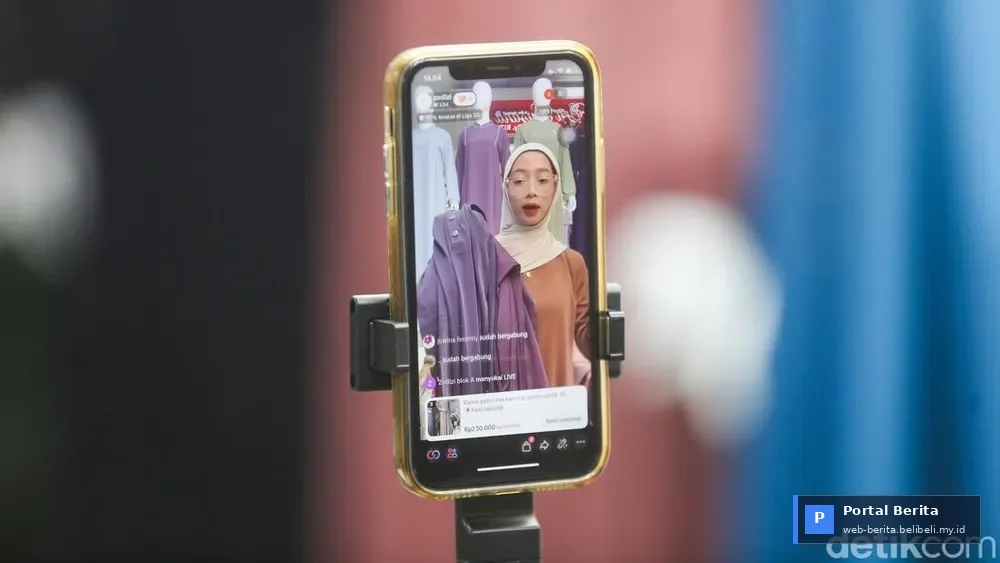
At the core of this policy is simplification. Previously, many online merchants, particularly MSMEs, struggled to understand and fulfill their tax obligations. With the appointment of marketplaces as collectors, PPh Article 22 will be automatically deducted directly from sales transactions. This means merchants will no longer need to calculate, deposit, or report PPh Article 22 separately.
"This is a highly significant step forward for online MSMEs. They can now focus on growing their businesses, without the headache of complex tax bureaucracy," said Amelia Putri, a prominent digital tax consultant. "This policy reflects the government's understanding of digital economy dynamics and the need for simplification."
How Does the System Work?
The mechanism for PPh Article 22 collection by marketplaces will be integrated. When a buyer completes a transaction on the platform, the marketplace will deduct a certain percentage from the transaction value (in accordance with PPh Article 22 provisions) before disbursing funds to the merchant. The marketplace will then remit the total deductions to the state and issue withholding tax slips to the merchants.
The DJP has established criteria for e-commerce platforms designated as collectors. A list of appointed platforms is publicly accessible via the DJP's official website. Merchants are advised to verify if the platform they use for selling is included in this list.
Positive Impacts and Future Challenges
Beyond convenience for merchants, this policy is also expected to broaden the tax base and increase state revenue from the digital economy sector. Transaction data transparency will improve, allowing the DJP to map tax compliance more accurately.
However, challenges remain, particularly in terms of socialization and education. "While the system is ready, educating millions of merchants, especially in remote areas, will be key to long-term success," Amelia added. "The DJP and marketplaces need to continue collaborating to ensure every merchant understands their rights and obligations under this new scheme."
With the implementation of this policy, Indonesia demonstrates its commitment to creating a healthy and sustainable digital business ecosystem, where ease of doing business aligns with tax compliance.
Frequently Asked Questions (FAQ)
What is PPh Article 22 collected by marketplaces?
PPh Article 22 is an income tax imposed on the sale of certain goods. In this context, marketplaces are appointed to collect this tax directly from their online merchants' sales transactions.
Which online merchants are affected by this policy?
All online merchants selling through e-commerce platforms designated as PPh Article 22 collectors will have this tax deducted from their sales transactions.
How will merchants know if their platform is a tax collector?
Appointed e-commerce platforms will notify their merchants. Additionally, the DJP will release an official list of designated platforms via its website and official communication channels.