🔑 Key Takeaways
- The inauguration of the Kelapa Gading-Manggarai LRT line on August 26, 2026, will herald a new era of urban connectivity in Jakarta.
- This route is expected to significantly reduce traffic congestion, shorten travel times, and boost citizen productivity.
- The new LRT is projected to attract investment, increase property values around its stations, and stimulate local economic growth.
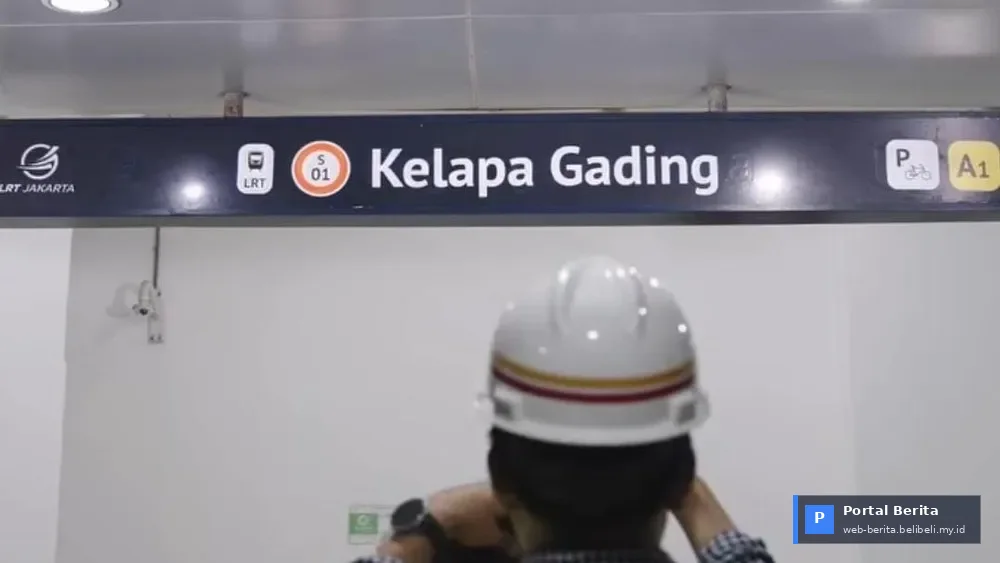
Jakarta, August 26, 2026 – A new chapter in Jakarta's public transportation system unfolds today with the official inauguration of the Light Rail Transit (LRT) Kelapa Gading-Manggarai line. Minister of Transportation Dudy Purwagandhi personally led the long-awaited ceremony, reaffirming the government's commitment to realizing more efficient and sustainable urban mobility.
In his address, Minister Dudy Purwagandhi stated, “The inauguration of the Kelapa Gading-Manggarai LRT line is more than just an addition to our routes; it is a monumental leap for Jakarta. This is concrete evidence of our efforts to provide a modern, comfortable, and environmentally friendly mass transportation solution to millions of citizens. We hope this line will drastically alleviate traffic congestion and shorten travel times, thereby increasing citizen productivity and improving the quality of life.”
Positive Impact on Mobility and Citizen Productivity
Spanning approximately 14 kilometers, the Kelapa Gading-Manggarai LRT line traverses several strategic areas, connecting business centers, office districts, and densely populated residential zones. This route is designed to seamlessly integrate with TransJakarta, the Commuter Line (KRL) at Manggarai, and previous phases of Jakarta's LRT, creating a more cohesive public transportation network.
Dr. Retno Wijayanti, an urban planning expert from the Jakarta Institute for Urban Studies, highlighted the importance of this integration. “Connectivity is key. By connecting this LRT to other major transportation hubs, we foresee a massive reduction in private vehicle usage. It's not just about congestion; it's about accessibility for all segments of society to reach economic and social activity centers more easily,” explained Dr. Retno.
Economic Stimulus and Investment Potential
Beyond mobility benefits, the presence of the Kelapa Gading-Manggarai LRT is also expected to act as a catalyst for economic growth along its corridor. Analysts project an increase in business activity and property values in the areas surrounding the new stations.
Mr. Budi Santoso, Head of Research at Prima Capital, shared his insights, “Large-scale infrastructure projects like the LRT always bring positive domino effects. We anticipate a surge in property investment, particularly in the residential and commercial sectors, in Kelapa Gading, Pramuka, and Manggarai. Improved accessibility will make these areas more attractive, driving land and property values up by 15-20% in the next few years. This represents a significant opportunity for investors and developers.”
The potential for increased revenue from the retail and services sectors is also a focus, as passenger traffic increases and commercial areas around the stations develop.
The Future of Jakarta's Transportation
The inauguration of the Kelapa Gading-Manggarai LRT line is part of the provincial government's long-term vision to transform Jakarta into a more modern, efficient, and livable city. Other mass transit infrastructure projects continue to be accelerated, demonstrating a strong commitment to reducing reliance on private vehicles and curbing carbon emissions.
With the operation of this new line, Jakarta is one step closer to achieving its status as a megapolitan city with an integrated, world-class transportation system, ready to face future mobility challenges.
Frequently Asked Questions (FAQ)
- When will the Kelapa Gading-Manggarai LRT line start operating?
- The line will be inaugurated and fully operational on August 26, 2026.
- What are the main areas served by this new LRT line?
- This line serves the Kelapa Gading, Pramuka areas, and integrates with the KRL Commuter Line at Manggarai, connecting business centers and densely populated residential areas.
- How is this LRT expected to reduce Jakarta's traffic congestion?
- By offering an efficient and integrated mass transit alternative, the LRT encourages people to switch from private vehicles, thereby reducing traffic volume on the roads.