🔑 Key Takeaways
- PT KAI has integrated five advanced technologies that are fundamentally reshaping Indonesia's railway ecosystem by 2026, making it more modern and efficient.
- The Whoosh Jakarta-Bandung High-Speed Train has become a backbone of inter-city mobility, complemented by automatic signaling systems, AI-powered predictive maintenance, and digital payment integration.
- A strong focus on sustainability is also evident through the implementation of green energy solutions and operational efficiencies, marking KAI's commitment to a connected and environmentally friendly future for transportation.
JAKARTA – By 2026, Indonesia's transportation landscape has undergone a significant transformation, thanks to PT Kereta Api Indonesia's (Persero) progressive adoption of cutting-edge technologies. Beyond merely a mode of transport, railways have now become an integrated, safe, and sustainable economic backbone. Five advanced technological pillars form the foundation of this success, ranging from the incredible speed of Whoosh to the artificial intelligence driving maintenance systems.
These developments represent more than just facility upgrades; they are a strategic investment in Indonesia's future. By focusing on efficiency, safety, and sustainability, KAI is not only connecting cities but also accelerating economic growth and improving the quality of life for its citizens.
Whoosh: Indonesia's High-Speed Rail Flagship
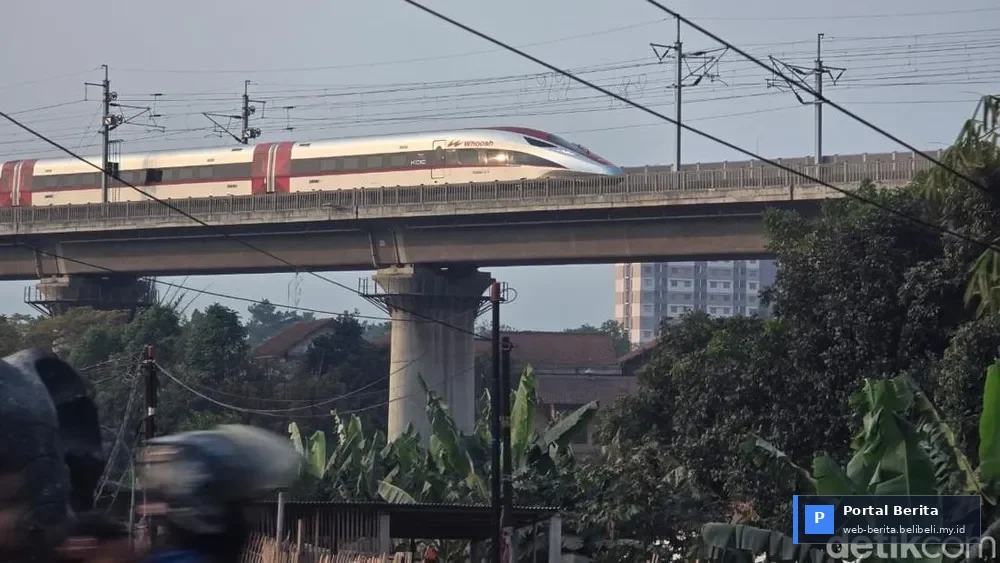
In 2026, the Jakarta-Bandung High-Speed Train, known as Whoosh, has been fully operational for over two years, revolutionizing travel between these two major cities. With operational speeds reaching 350 km/h, Whoosh has not only cut travel time to approximately 30 minutes but has also become a symbol of Indonesia's technological advancement in transportation.
'Whoosh is more than just a train; it's a fully integrated ecosystem. Since its launch, we have observed tremendous economic impact, with increased investment in the Jakarta-Bandung corridor and positive changes in mobility patterns for the public,' stated PT KAI CEO, Budi Noviantoro, at a recent press conference. He added that Whoosh's occupancy rates consistently exceed 85%, signaling public trust and demand for this premium service.
Advanced Automatic Signalling Systems: Uncompromising Safety and Efficiency
Behind the speed and comfort, safety remains the paramount priority. KAI has implemented Advanced Automatic Signalling Systems across various main lines, including Communication-Based Train Control (CBTC) and Automatic Train Operation (ATO) for several urban and commuter routes. This technology enables real-time train control, reduces human error, and significantly increases track capacity.
These systems not only ensure safe distances between trains but also optimize travel schedules, minimizing delays and ensuring better punctuality. This is a crucial foundation supporting the increasing railway traffic density in metropolitan areas.
AI-Powered Predictive Maintenance and IoT: Reducing Downtime, Enhancing Reliability
To maintain operational reliability, KAI has adopted an Artificial Intelligence (AI) and Internet of Things (IoT)-based Predictive Maintenance system. Thousands of sensors are installed on tracks, carriages, and engine components, continuously collecting data on infrastructure condition and train performance.
This data is then analyzed by AI algorithms to predict potential failures before they occur. 'With this system, we can proactively schedule maintenance, replacing potentially faulty components before they become major issues. This drastically reduces unplanned downtime and enhances travel safety,' explained KAI's Head of Operations Division, Siti Aminah.
Integrated Digital Multimodal Payment Systems: A Seamless Travel Experience
Creating a seamless travel experience is key. KAI has developed Integrated Digital Multimodal Payment Systems that allow passengers to book and pay for tickets across various modes of transport—trains, transit buses, and even online taxi services—through a single integrated application. The system includes contactless payments using QR codes, smart cards, and even biometric authentication at some modern stations.
This initiative is designed to facilitate intermodal connectivity, encouraging the public to shift from private vehicles to more efficient and environmentally friendly public transportation.
Green Energy Innovation: Towards Sustainable Rail Transport
KAI's commitment to sustainability is realized through the implementation of various Green Energy Innovations. Several major stations are now equipped with solar panels to meet part of their electricity needs, while regenerative braking technology on electric trains is used to return energy to the grid. Furthermore, KAI is also exploring the use of hydrogen-powered and battery-electric trains for specific routes, as part of a total decarbonization effort in the transport sector.
'KAI's approach to sustainability is an exemplary one. By combining high technology with environmental commitment, they demonstrate that economic growth and environmental protection can go hand in hand,' commented Dr. Ahmad Suryawan, a transportation expert from the University of Indonesia. 'This step will serve as a model for other transport operators in Southeast Asia.'
With these five technological pillars, PT KAI not only solidifies its position as a leader in regional transportation innovation but also plays a vital role in moving Indonesia towards a more efficient, connected, and sustainable future. This success stands as clear evidence that investment in technology is an investment in national progress.
Frequently Asked Questions
- What are the five main railway technologies adopted by KAI in 2026?
- The five main technologies include the Whoosh High-Speed Train, Advanced Automatic Signalling Systems, AI and IoT-based Predictive Maintenance, Integrated Digital Multimodal Payment Systems, and Green Energy Innovations.
- How has Whoosh technology contributed to Indonesia's economy?
- Whoosh has spurred investment and economic growth along the Jakarta-Bandung corridor, creating new economic hubs and enhancing efficient mobility for businesses and the general public.
- Does KAI plan to expand the implementation of these technologies to other routes?
- Yes, KAI continuously evaluates and plans the expansion of these technologies, such as automatic signaling systems and predictive maintenance, to more routes to elevate operational standards nationwide.