🔑 Key Takeaways
- The Ministry of Industry (Kemenperin) has deployed an investigation team to the site of the PT Naturindo Sehat herbal factory explosion in Semarang in early 2026, which resulted in 3 fatalities and 7 injuries.
- This incident has triggered a swift government response to revise and tighten industrial safety standards, particularly for the rapidly growing herbal sector.
- The national herbal industry faces the challenge of adapting to new regulations focused on advanced safety technology and stricter compliance audits throughout 2026.
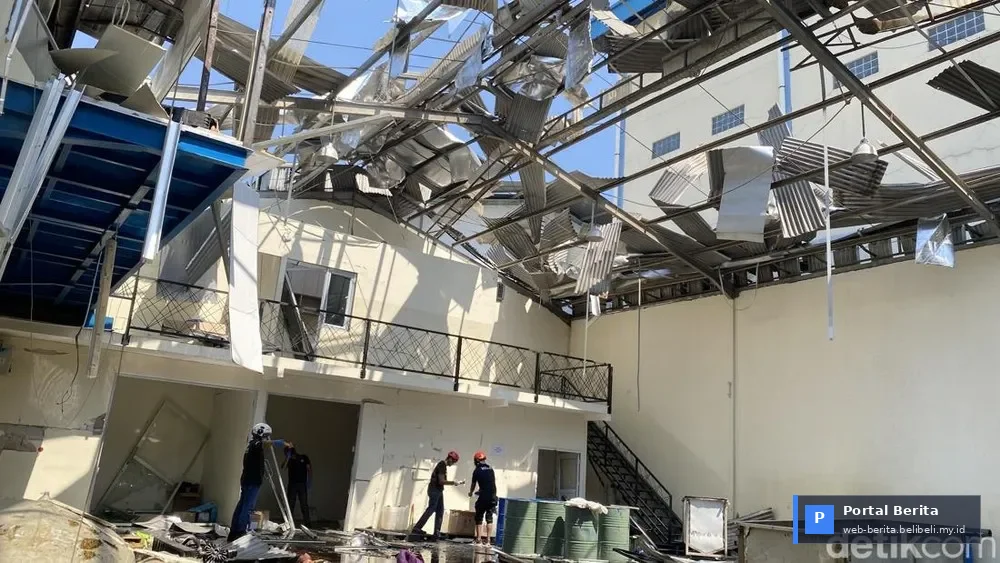
Semarang, February 14, 2026 – The tragic explosion at the PT Naturindo Sehat herbal factory in the Wijayakusuma Industrial Estate, Semarang, earlier this month has sent shockwaves through the national manufacturing and health sectors. This unfortunate incident, which claimed the lives of three workers and injured seven others, immediately drew serious attention from the government. The Minister of Industry, Agus Gumiwang Kartasasmita, promptly dispatched a special supervisory team to conduct a thorough investigation at the scene.
In-Depth Investigation and Urgent Regulatory Revisions
A joint team comprising Kemenperin, the National Standardization Agency (BSN), and occupational safety experts has begun work to identify the root cause of the explosion. Initial suspicions point to a failure in the processing system for flammable raw materials, although the final investigation results are awaiting a complete forensic report. “We will not compromise on occupational safety. This incident is a bitter reminder that risk mitigation must be the top priority, especially in industries that use potentially hazardous materials,” stated Minister Agus Gumiwang Kartasasmita in a virtual press conference held today.
Kemenperin announced that it would immediately review and tighten existing industrial safety regulations, particularly for factories in the pharmaceutical and herbal sectors. One of the initiatives to be accelerated is the launch of the “Industrial Safety Audit 4.0 Program” in mid-2026. This program will mandate the use of IoT (Internet of Things) technology and AI-based sensors for real-time monitoring of factory conditions, including early detection of potential gas leaks, abnormal temperature increases, or pressure anomalies.
Impact on the National Herbal Industry and Consumer Trust
Indonesia's herbal industry has experienced rapid growth in recent years, driven by increasing awareness of natural health and government support for local products. However, the Semarang incident has the potential to shake consumer and investor confidence. “This is a crucial moment for our industry. We must demonstrate to the public that safety is at the core of every product we produce,” said Dr. Rahmad S. Parwoto, an industrial safety expert from Gadjah Mada University. He added, “Adopting advanced technology is no longer an option but a necessity to ensure the sustainability and competitiveness of the industry in this modern era.”
The Chairman of the Indonesian Herbal Entrepreneurs Association (APHI), Budi Santoso, expressed deep condolences for the fatalities and affirmed the association's full commitment to cooperating with the government. “We are ready to fully support all Kemenperin efforts to enhance safety standards. APHI members will be encouraged to implement best practices and invest in the latest safety technologies to prevent similar incidents from recurring,” Budi said. He is optimistic that with proactive measures, the herbal industry can recover stronger and continue to contribute to the national economy.
Kemenperin also plans to increase the frequency of surprise inspections and impose heavier penalties on companies found negligent in meeting safety standards. The hope is that these measures will not only prevent future tragedies but also strengthen the foundation of Indonesia's manufacturing industry as a whole in 2026 and beyond.
Frequently Asked Questions (FAQ)
1. What caused the Semarang herbal factory explosion?
The exact cause is still under investigation by Kemenperin and expert teams, but initial suspicions point to a failure in the processing system for flammable raw materials.
2. How does this incident impact the national herbal industry?
The incident could shake consumer and investor confidence in the short term, but it also triggers a strong push for improved safety standards and the adoption of advanced technology across the industry.
3. What steps will Kemenperin take to prevent similar incidents?
Kemenperin will review safety regulations, accelerate the Industrial Safety Audit 4.0 Program involving IoT and AI, and increase inspection frequency and penalties for non-compliant companies.