🔑 Key Takeaways
- Ninety-seven individuals with mental disorders (PwMD) are participating in flag ceremonies as part of an innovative therapeutic approach.
- The program aims to foster discipline, social interaction, and a sense of belonging, which are crucial for mental health recovery.
- Beyond therapy, this initiative actively challenges social stigmas surrounding PwMD by promoting visibility and community integration in 2026.
In an inspiring display of resilience and community spirit, ninety-seven individuals diagnosed with mental disorders (PwMD) are regularly participating in flag ceremonies across various mental health facilities and integrated community centers this year, 2026. This pioneering initiative, far from being a mere symbolic gesture, has emerged as a profoundly effective therapeutic intervention and a powerful tool in the ongoing battle against mental health stigma.
The Therapeutic Power of Ritual and Routine
The practice of flag ceremonies offers more than just ceremonial participation; it provides a much-needed structure and routine often absent in the lives of many PwMD. Participants are trained in the protocols of the ceremony, including marching, saluting the flag, and singing the national anthem. These activities are not merely about rote memory; they are about rebuilding neurological connections and enhancing executive functions.
'By 2026, we’ve seen mounting evidence that incorporating ritualistic events like flag ceremonies can significantly improve a patient's cognitive focus, adherence to routine, and social engagement,' explains Dr. Anya Wijaya, a leading psychiatrist specializing in psychosocial rehabilitation at the Mentari Sehat Foundation. 'It offers a sense of belonging and purpose, which are foundational to recovery. The discipline required for a ceremony rebuilds self-esteem and the ability to function in a structured environment.'
Beyond the cognitive benefits, the social aspect of these ceremonies cannot be overstated. Participating in a group fosters peer interaction and a sense of camaraderie, alleviating the isolation often experienced by PwMD. It is a safe environment where they can practice social skills without the undue pressure of judgment.
Challenging Stigma Through Visibility and Participation
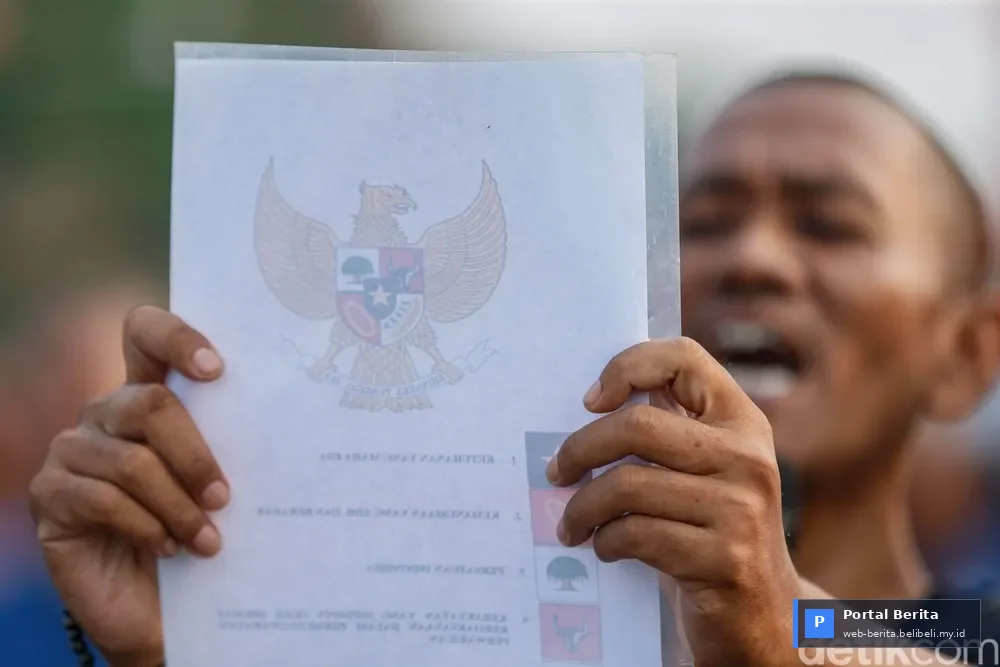
The impact of this initiative extends beyond individual therapy; it is a bold, public statement against the deeply entrenched stigma surrounding mental illness in many societies. When PwMD are seen actively participating in a respected national ritual, it humanizes them, shatters misconceptions, and fosters greater acceptance within the wider community.
'Visibility is key in the fight against stigma,' states Mr. Budi Santoso, a prominent mental health advocate and director of the 'Inklusi Jiwa' campaign. 'In 2026, as we push for true mental health parity, programs like this demonstrate to the public that PwMD are valuable, capable members of society. They are no longer just 'patients' but contributing individuals who can achieve great things with the right support.'
The flag ceremony becomes a platform for inclusion, showing that PwMD can engage in public and civic life, just like anyone else. It's a powerful way to redefine the narrative around mental health, shifting from exclusion to empowerment.
A Model for Future Mental Health Care
The success of this program, which by 2026 has seen participation grow significantly across pilot centers, is paving the way for its wider adoption. Authorities and NGOs are now exploring guidelines to integrate similar community-based, culturally sensitive therapeutic models into national mental health frameworks. The goal is to shift from purely clinical approaches to holistic care that prioritizes dignity, social reintegration, and active citizenship for all individuals, regardless of their mental health status.
The sight of ninety-seven individuals, once marginalized by their condition, standing tall and proud during a flag ceremony, is more than just an inspiring image. It powerfully underscores the human spirit's capacity for healing and a clear indication that innovative, empathetic approaches are crucial in shaping a more inclusive and understanding society for mental health in 2026 and beyond.
Frequently Asked Questions (FAQ)
-
What is the main goal of using flag ceremonies as therapy?
The primary goal is to provide structured routines, enhance cognitive functions, develop social skills, build a sense of belonging and purpose, and actively combat social stigma against persons with mental disorders (PwMD). -
How do these ceremonies specifically help PwMD?
They help by instilling discipline, improving focus and memory through strict protocols, facilitating social interaction in a safe environment, and building self-esteem through participation in a respected ritual. -
Is this program scalable or being adopted elsewhere?
Yes, this pilot program has shown significant success by 2026, and there are ongoing efforts by authorities and NGOs to integrate similar community-based therapeutic models into national mental health frameworks for wider adoption.