🔑 Key Takeaways
- Hyperbaric Oxygen Therapy (HBOT) in 2026 is gaining recognition as an advanced method for accelerating cellular recovery.
- It enhances tissue oxygenation to speed up the healing of chronic wounds, sports injuries, and neurological conditions.
- Seraphim Medical Center offers state-of-the-art HBOT facilities with personalized treatment protocols.
Jakarta, 2026 – The recovery process after illness or injury can often be prolonged, limiting daily activities and quality of life. However, in 2026, Hyperbaric Oxygen Therapy (HBOT) is increasingly recognized as an innovative method that accelerates cellular regeneration and recovery, offering new hope for those seeking a faster and more effective path to healing.
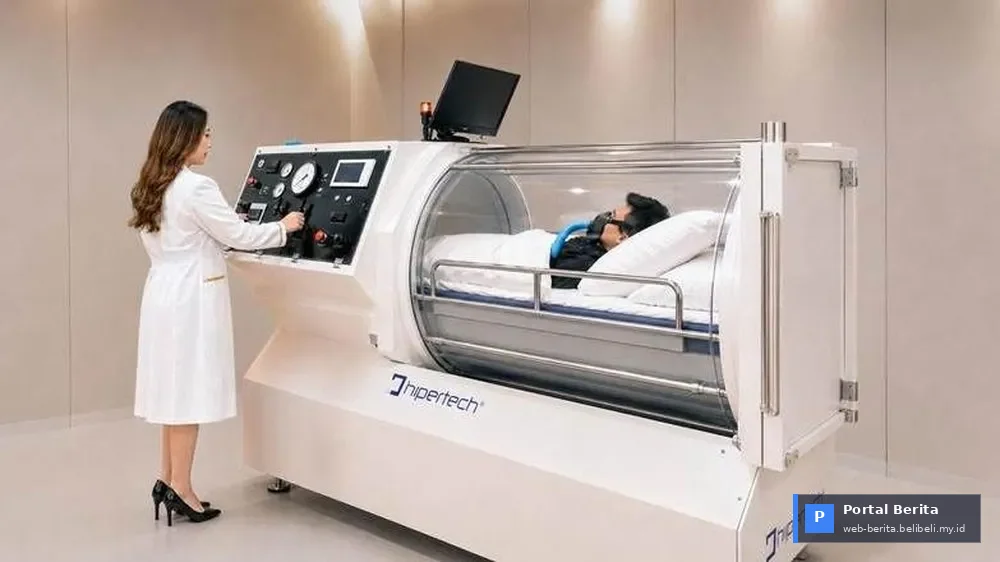
HBOT involves breathing pure oxygen in a pressurized chamber, which dramatically increases the amount of oxygen dissolved in blood plasma. This extra oxygen can then reach poorly oxygenated areas of the body, stimulating the body's natural healing processes at a cellular level. It’s no longer just an alternative therapy; current clinical data in 2026 demonstrate its effectiveness across a wide range of medical scenarios.
How HBOT Works for Optimal Recovery
The basic principle of HBOT is simple yet profoundly effective: oxygen is the primary fuel for almost all cellular functions. Under normal conditions, only a small amount of oxygen dissolves in blood plasma. With increased pressure, HBOT forces more oxygen into solution, allowing this vital nutrient to reach damaged cells, stimulate new blood vessel formation, reduce inflammation, and fight infections more efficiently. This is especially crucial for areas of the body with poor circulation, such as diabetic wounds or radiation-damaged tissues.
Broad Indications at Seraphim Medical Center
Seraphim Medical Center, at the forefront of medical innovation in 2026, has become a reference point for HBOT. With advanced equipment and an experienced medical team, they offer tailored therapy protocols for a variety of conditions, including:
- Chronic Wound Healing: Particularly hard-to-heal diabetic wounds, pressure ulcers, and post-surgical wounds.
- Sports Injury Recovery: Accelerating tissue repair, reducing recovery time for athletes from muscle or ligament injuries.
- Neurological Conditions: Assisting recovery post-stroke, traumatic brain injury, and supporting the management of conditions like long-COVID syndrome, which may still have significant impacts in 2026.
- Radiation Injury: Repairing tissues damaged by the side effects of radiotherapy.
- Certain Infections: Such as bone infections (osteomyelitis) and other soft tissue infections.
“We see the transformative impact of HBOT on our patients every day,” states a specialist from Seraphim Medical Center. “With optimal oxygenation, the body has an incredible capacity to heal itself. We are committed to providing the best HBOT care, ensuring each patient receives the therapy most suited to their needs.”
This therapy is not just about healing, but also about enhancing quality of life. With faster recovery and reduced complications, patients can return to their daily activities with renewed vitality.
Frequently Asked Questions (FAQ)
What is Hyperbaric Oxygen Therapy (HBOT)?
HBOT is a medical treatment where a patient breathes 100% pure oxygen in a pressurized chamber set at a higher than normal atmospheric pressure, increasing the amount of oxygen dissolved in the blood.
For which conditions is HBOT recommended?
HBOT is recommended for chronic wound healing, sports injuries, radiation tissue damage, certain infections, post-stroke neurological conditions, and some cases of long-COVID syndrome.
Is HBOT safe?
Yes, when administered under professional medical supervision by facilities like Seraphim Medical Center, HBOT is a safe therapy with minimal risk of side effects.