🔑 Key Takeaways
- Former mud-covered lands in Pidie Jaya, Aceh, have been successfully transformed into a modern and productive agricultural hub by 2026.
- This initiative has generated thousands of jobs and spurred local economic growth through the cultivation of shallots, chilies, and corn.
- The project stands as a sustainable post-disaster recovery model, focusing on food security and community well-being.
Pidie Jaya, Aceh – Six years after a devastating disaster, the former mud-laden lands of Pidie Jaya, Aceh, have remarkably transformed into a productive agricultural center, driving the local economy. This extraordinary transformation is not just a symbol of community resilience but also tangible proof of successful, future-oriented rehabilitation and economic development programs, marking 2026 as a peak of significant achievement.
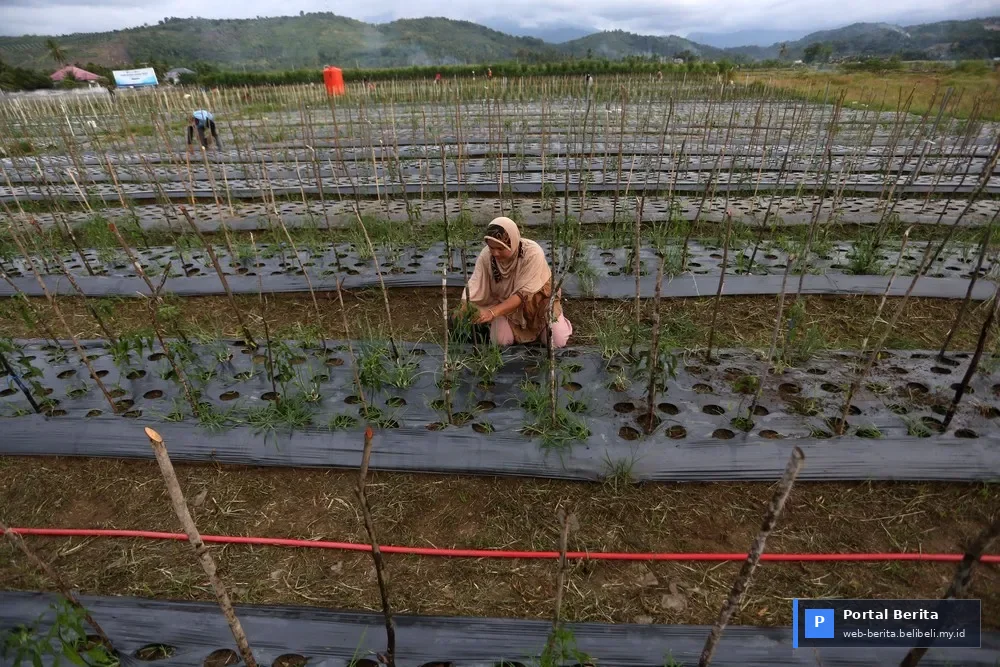
The land utilization project, which began with intensive land clearing and rehabilitation efforts, has now successfully integrated modern agricultural technology with local wisdom. Green expanses of shallots, chilies, and corn now dominate areas once known only as silent witnesses to tragedy, radiating new hope for thousands of residents.
Economic Revitalization and Food Security
Since its full launch in early 2026, the Pidie Jaya agricultural center has demonstrated a substantial economic impact. Latest data indicates a significant increase in agricultural production, with estimated annual harvests of red shallots reaching 18,000 tons and chilies approximately 12,000 tons. “This is more than just farming; it's a new economic engine for Pidie Jaya,” states Dr. Ahmad Rizaldi, an agricultural economist from Syiah Kuala University. “The project has created over 5,000 direct and indirect jobs, boosting average household incomes by 35% in the affected region. It's an ideal model for sustainable, community-based post-disaster economic development.”
In addition to shallots and chilies, corn cultivation also plays a vital role as a staple food and animal feed commodity. This crop diversification not only strengthens regional food security but also opens new market opportunities for processed agricultural products.
Innovation and Environmental Sustainability
The success of this project is attributed to the adoption of innovative agricultural techniques. The use of organic fertilizers, efficient drip irrigation systems, and crop rotation practices have been implemented to ensure long-term environmental sustainability and soil fertility. Local government, in collaboration with agricultural research institutions, continues to conduct research to develop more resilient and productive crop varieties.
“We are committed to not only recovering but also rebuilding in a better and greener way,” said Mrs. Nurhayati, Field Coordinator for the Pidie Jaya Agricultural Project. “We involve local farmers in every stage of decision-making, from seed selection to marketing strategies, ensuring community ownership and the sustainability of this project.”
Investment Opportunities and Future Development
With its reputation as a rapidly growing agri-business hub, Pidie Jaya is now attracting attention from private sector investors. The potential for developing post-harvest facilities, processing plants, and integrated supply chains is immense. The local government is currently designing fiscal and non-fiscal incentives to attract investments that can enhance the value added of local agricultural products.
By 2026, the Pidie Jaya agricultural center is not just a success story of disaster recovery, but also a beacon of hope for inclusive and sustainable economic development across Aceh. It proves that from the ruins of tragedy, prosperity and a brighter future can grow.
❓ Frequently Asked Questions
- What are the main crops cultivated in Pidie Jaya's former mudlands?
The primary crops cultivated are shallots, chilies, and corn, chosen for their economic potential and contribution to food security. - How has this project contributed to the local economy by 2026?
By 2026, the project has created over 5,000 jobs, increased average household incomes by 35%, and significantly boosted local economic growth in Pidie Jaya. - What innovative agricultural techniques are used to ensure sustainability?
The project employs organic fertilizers, efficient drip irrigation systems, and crop rotation practices to maintain soil fertility and environmental health.