🔑 Key Takeaways
- Ube Matcha Latte, a blend of purple yam (ube) and matcha green tea, continues its beverage trend in 2026, celebrated for its unique flavor profile and potential health benefits.
- Both primary ingredients are rich in antioxidants, fiber, and bioactive compounds, including anthocyanins from ube and L-theanine and catechins from matcha.
- Despite its nutritional richness, moderate consumption is advised, considering potential added sugars, to maximize its health advantages.
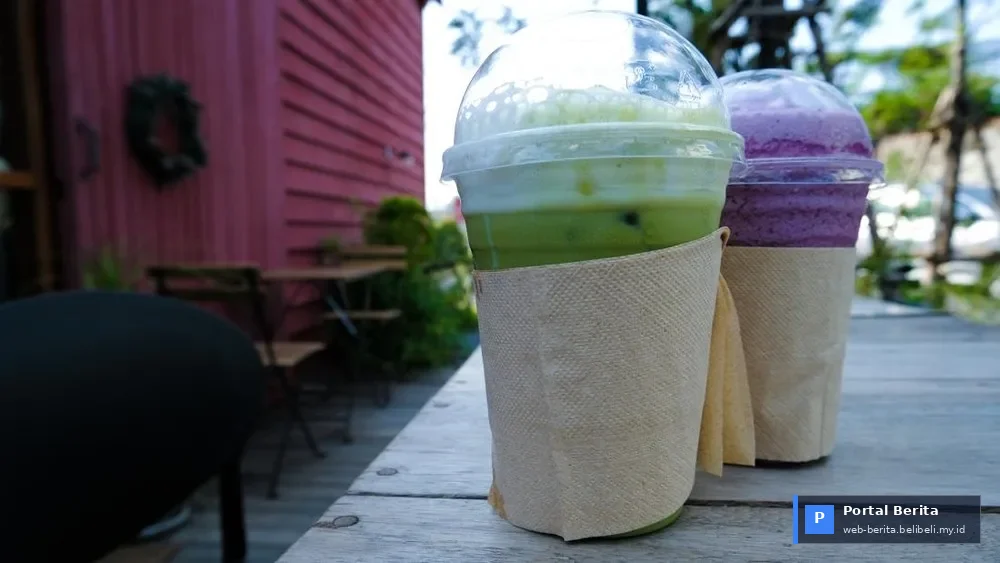
Amidst the vibrant culinary innovations of 2026, the Ube Matcha Latte has solidified its position not just as a fleeting phenomenon, but as a beloved beverage icon. The striking blend of vibrant purple from ube and emerald green from matcha creates an undeniable visual appeal, yet beyond its aesthetics, this drink harbors intriguing nutritional potential worth exploring.
The Power of Ube: Purple Yam Rich in Antioxidants
Ube, the heart of the ‘ube’ in this drink, is a root crop abundant in dietary fiber, vitamins (especially Vitamin C and A in the form of beta-carotene), and minerals. Most notably, however, is its strong antioxidant content, primarily anthocyanins. “The anthocyanins in ube are natural pigments that give it its deep purple color, while also acting as powerful antioxidants that can help protect body cells from damage caused by free radicals,” explains Dr. Anya Wijaya, a leading clinical nutritionist based in Jakarta. In 2026, research continues to highlight the role of anthocyanins in supporting heart health and cognitive function.
Matcha: Calm Energy with a Myriad of Benefits
On the other hand, matcha, the powdered green tea from Japan, has long been recognized for its health benefits. Matcha is known for its high L-theanine content, an amino acid that promotes a calm, focused alertness without the jitters often associated with caffeine. Additionally, matcha is packed with catechins, particularly epigallocatechin gallate (EGCG), a potent antioxidant linked to boosting metabolism, immune support, and anti-inflammatory properties. With increased 'well-being' awareness in 2026, matcha-based drinks like Ube Matcha Latte offer a healthier alternative for energy seekers.
Synergy of Flavor and Nutrition: The Best Combination?
When ube and matcha are combined, they not only create a unique flavor palette—the sweet, earthy notes of ube blending with the slightly bitter and grassy undertones of matcha—but also present an interesting nutritional synergy. The fiber from ube can aid digestion, while antioxidants from both ingredients work synergistically to combat oxidative stress. “While Ube Matcha Latte is rich in nutrients, it's crucial to be mindful of added sugars or other sweeteners. Opt for low-sugar or no-added-sugar versions to maximize its health benefits,” advises Dr. Wijaya.
With its sustained popularity in 2026, Ube Matcha Latte proves that viral drinks can be more than just transient trends. With a proper understanding of its nutritional content, this beverage can be a delicious and potentially beneficial addition to your healthy lifestyle.
Frequently Asked Questions
What is Ube Matcha Latte?
It's a beverage combining purple yam (ube) paste or powder with powdered green tea (matcha) and milk, often served cold.
Is Ube Matcha Latte healthy?
Yes, its primary ingredients are rich in antioxidants and fiber. However, overall healthiness depends on added sugars and the type of milk used.
How can I enjoy Ube Matcha Latte in a healthier way?
Choose versions with little to no added sugar, and consider using unsweetened plant-based milk alternatives.