🔑 Key Takeaways
- Indonesia officially joins the World Artificial Intelligence Cooperation Organization (WAICO), marking a strategic move in global AI leadership.
- Membership is expected to accelerate national AI ecosystem development, attract investment, and foster innovation across various sectors.
- The government is committed to AI talent development, strengthening data governance, and ensuring ethical and inclusive AI utilization.
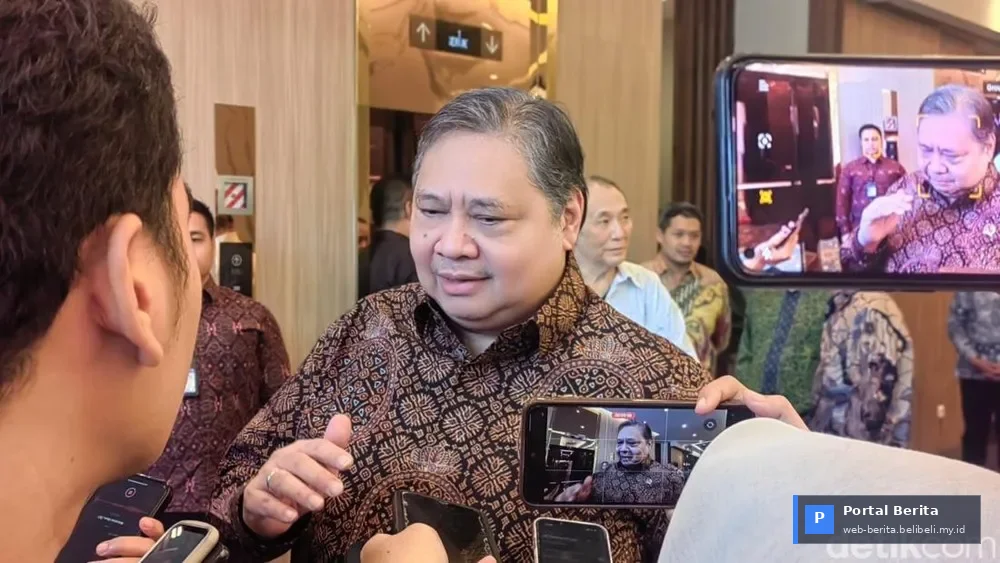
JAKARTA – Indonesia has once again affirmed its position as a key player on the global technology stage with the official announcement of its membership in the World Artificial Intelligence Cooperation Organization (WAICO) in 2026. This monumental announcement was made by the Coordinating Minister for Economic Affairs, Airlangga Hartarto, during his strategic working visit to Beijing, China.
A Historic Moment on the Global Stage
“Indonesia's membership in WAICO is not just a formality, but a recognition of our nation's immense potential and strong commitment to developing artificial intelligence responsibly and inclusively,” stated Minister Airlangga during a press conference held on the sidelines of a high-level technology forum. WAICO, now recognized as a leading regulatory body for global AI standards and collaboration, plays a crucial role in shaping the future of this technology. By joining, Indonesia now sits alongside other advanced nations in formulating global AI policies, ethics, and development directions.
Seizing Digital Economic Opportunities in 2026
This membership is expected to open doors for Indonesia to access world-class AI research networks, cutting-edge technology transfer, and greater investment opportunities. “This is a fundamental step to accelerate Indonesia's digital economic transformation, which we have targeted for 2026 and beyond,” Airlangga added. The government projects a significant contribution from the AI sector to the national GDP, supported by initiatives such as the development of AI innovation hubs, scholarship programs for digital talent, and an adaptive regulatory framework.
Dr. Indah Permata, a digital economy and AI policy expert from the University of Indonesia, highlighted the significance of this move. “Indonesia's entry into WAICO sends a clear signal to global investors that we are serious about becoming an AI innovation hub. This will drive investment in infrastructure, startups, and local talent development, which in turn will create millions of new jobs and enhance the nation’s competitiveness in the global market,” explained Dr. Permata.
Commitment to Responsible and Inclusive AI
Beyond economic benefits, Minister Airlangga also emphasized Indonesia's commitment to ethical and responsible AI development. “We will ensure that AI utilization in Indonesia aligns with humanitarian values, upholds data privacy, and does not create harmful biases. Collaboration with WAICO will help us align our national regulatory framework with global best practices,” he asserted.
These initiatives will include massive training for workers across various sectors to prepare them for changes in the job landscape due to AI, as well as digital literacy programs for the wider public. It is hoped that, with WAICO's support, Indonesia can create an AI ecosystem that is not only innovative but also inclusive, ensuring the benefits of AI can be felt by all segments of society, from urban to rural areas.
Frequently Asked Questions
- What is WAICO?
WAICO (World Artificial Intelligence Cooperation Organization) is a global organization comprising leading nations and institutions, focused on developing international standards, ethics, governance, and collaboration in the field of artificial intelligence. - What are the main benefits of Indonesia's WAICO membership?
This membership grants Indonesia access to global AI research, technology transfer, investment opportunities, and a strategic position in shaping global AI policies and standards, accelerating national digital economic transformation. - How will this membership directly impact ordinary Indonesians?
Directly, it can foster the creation of new jobs in the tech sector, improve the quality of public services through AI, and enhance education and skills training relevant to an AI-driven future.