🔑 Key Takeaways
- Banda Aceh is pioneering circular economy innovation in 2026 by transforming discarded denim into high-value products like bags and shoes.
- This initiative significantly reduces textile waste destined for landfills, supporting Indonesia's environmental sustainability targets.
- The business model creates hundreds of new opportunities, empowers local communities, and serves as a blueprint for sustainable creative economic development nationwide.
In 2026, Banda Aceh continues to assert its prowess as a pioneer in circular economy and sustainable development. A brilliant local initiative has successfully transformed heaps of discarded denim fabric, once considered waste, into a diverse range of highly sought-after fashion and lifestyle products, from elegant handbags to trendy footwear, and even unique home accessories. This innovation not only offers a clever solution to the textile waste problem but also acts as a driving force for the creative economy in the region, generating a new wave of business opportunities and employment.
From Waste to High-Value Creations
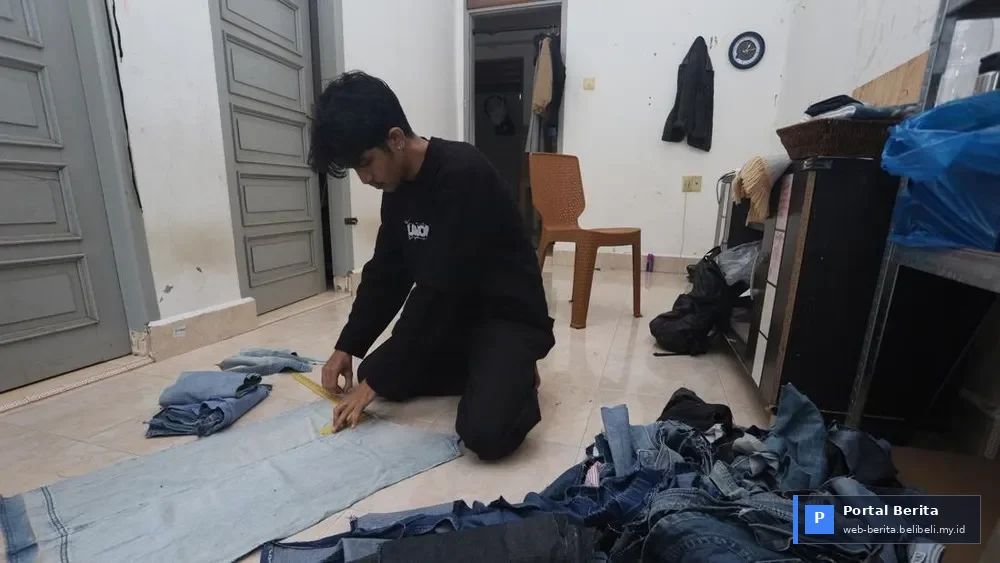
The process of upcycling denim waste begins with collecting raw materials from various sources, including local tailors, households, and recycling centers. The used denim fabric is then cleaned, sorted by color and texture, cut, and meticulously stitched by skilled artisans into various forms and functions. The result is unique products with a personal touch that sets them apart from mass-produced goods. Each item carries its own story, reflecting a commitment to sustainability and stylish design.
“The model implemented in Banda Aceh is a perfect blueprint for how sustainability can be integrated into economic growth strategies,” stated Dr. Aisha Rahman, a circular economy expert from Gadjah Mada University, in an exclusive interview in early 2026. “This isn't just about recycling; it's about significant value addition and the creation of a new, resilient business ecosystem relevant in the modern era. It's concrete proof that ‘waste’ is ‘gold’ waiting to be discovered.”
Significant Economic and Environmental Impact
The success of this initiative brings positive dual impacts. Environmentally, thousands of kilograms of textile waste that would otherwise end up in landfills are now successfully recycled, reducing the carbon footprint and the demand for new denim production, which is notoriously resource-intensive in terms of water and energy. This aligns with Indonesia's ambitious targets for emission reduction and improved waste management in 2026.
Economically, the project has created hundreds of jobs for local communities, ranging from raw material collectors, designers, and seamstresses, to marketing and sales personnel. Many beneficiaries are homemakers and youth who now have a stable source of income and new skills. Several new small and medium-sized enterprises (SMEs) have even emerged, each specializing in their own denim upcycling products, enriching Banda Aceh's creative economic ecosystem.
The Future of Sustainable Business in Indonesia
Banda Aceh's success is expected to inspire other cities across Indonesia. With textile waste volumes continuously increasing, circular economic models like this offer pragmatic solutions that benefit all stakeholders—the environment, society, and the economy. Government and the private sector are beginning to take notice of this model as a potential for national replication, supported by policies that encourage green innovation and sustainable entrepreneurship.
FAQ
1. What types of products can be made from recycled denim fabric?
From recycled denim fabric, various high-value products can be created, such as handbags, wallets, shoes, sandals, jackets, fashion accessories, and even home decor items like cushions and rugs.
2. How does this initiative contribute to environmental sustainability?
This initiative significantly reduces the amount of textile waste ending up in landfills, conserves natural resources (water, energy, chemicals) typically required for new denim production, and lowers greenhouse gas emissions.
3. Can this business model be replicated in other regions of Indonesia?
Yes, this model is highly replicable in other regions of Indonesia, especially in cities with high volumes of textile waste and potential for skilled labor. It requires community support, training, and market access.