🔑 Key Takeaways
- The true story of a Malaysian man in his 30s weighing 190kg who developed early kidney failure due to excessive fast food consumption.
- The link between obesity, high-fat/sugar diets, and chronic kidney disease risk is increasingly recognized as a global health crisis in 2026.
- Emphasizes the critical need for nutritional education, lifestyle changes, and early detection to prevent serious health complications and protect your kidneys.
In 2026, global health threats continue to evolve, with lifestyle-related diseases taking center stage. The tragic story of a Malaysian man, identified as Mr. Azman (not his real name) in his his 30s, serves as a stark warning to us all. Weighing a staggering 190 kilograms, Mr. Azman was diagnosed with early kidney failure, a life-threatening condition directly linked to his poor dietary habits dominated by fast food.
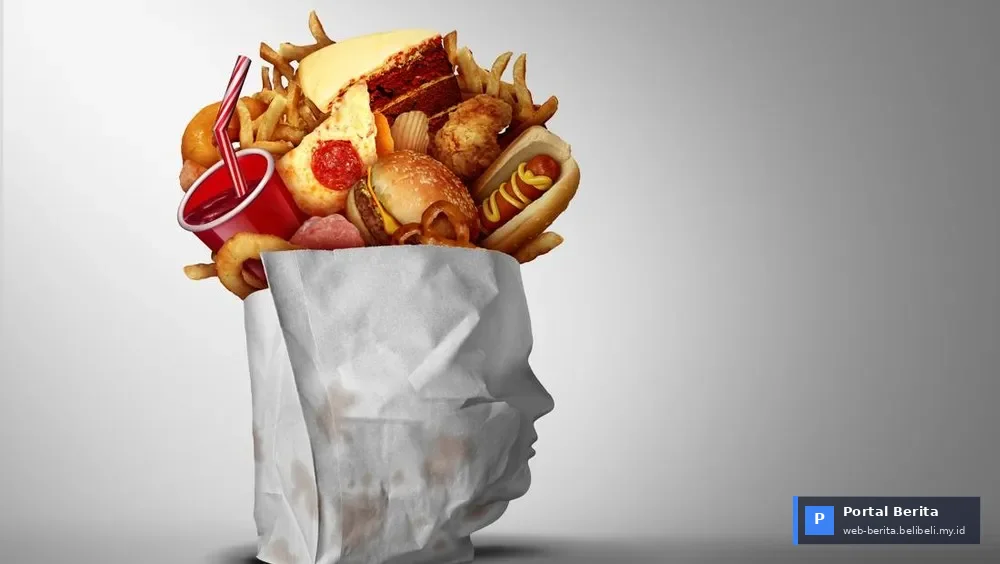
Azman, who works in the tech sector, frequently skipped healthy breakfasts, opting instead for sugary snacks. His lunches and dinners were no different; burgers, fries, fried chicken, and soft drinks became his staple. This pattern continued for years, gradually accumulating fat in his body and placing immense strain on his vital organs. 'I knew it wasn't healthy, but it was convenient and tasted good,' he revealed in a limited interview, expressing deep regret. 'I never imagined the consequences would be this severe.'
Obesity, Diet, and Kidneys: A Deadly Link
Mr. Azman's case is a reflection of an ongoing global epidemic. Obesity is not just an aesthetic concern; it is a gateway to various chronic diseases, including type 2 diabetes and hypertension – two leading causes of kidney failure. When an individual is obese, their body often experiences chronic inflammation, insulin resistance, and high blood pressure, all of which progressively damage the tiny filtering units in the kidneys, known as nephrons.
'Cases like Mr. Azman's are no longer anomalies in 2026. Extreme obesity, particularly that driven by diets high in salt, sugar, and trans fats, puts an immense strain on the kidneys,' explains Dr. Aisha Rahman, a leading nephrologist based in Kuala Lumpur. 'The kidneys have to work harder to filter waste products from a larger and often inflamed body, accelerating inevitable structural damage. Once the kidneys are damaged, it's often difficult to reverse, and dialysis or transplantation become the only options.'
The Fast Food Threat in Modern 2026
In 2026, fast food and ultra-processed meals remain an integral part of many people's lives. Aggressive marketing, ease of access, and often lower prices compared to healthier options make them difficult to resist. However, their impact on public health is profound. Recent data indicates a rise in obesity rates and chronic kidney disease among working-age adults, a worrying trend for health experts.
'The ease of access and aggressive marketing make fast food difficult to avoid. However, the public needs to realize that these foods are not just 'nutrient-poor' but also 'toxin-rich' for organ systems, including the kidneys,' states Professor Lee Wei Chen, a public health nutritionist at the University of Malaya. 'Governments and communities must collaborate to promote healthier food choices and stem this rising tide of the obesity epidemic through sustained education and proactive health policies.'
Prevention and Hope for the Future
Mr. Azman's story should serve as a trigger for reflection and action. Prevention is key. This includes adopting a balanced diet rich in fruits, vegetables, whole grains, and lean proteins. Reducing the consumption of fast food, sugary drinks, and processed foods is an essential step. Additionally, regular physical activity, maintaining an ideal body weight, and undergoing routine health check-ups, especially for blood pressure and blood sugar levels, can detect issues early.
Health technology in 2026 also offers various apps and devices that can assist in monitoring food intake and physical activity, providing more personalized support for lifestyle changes. Taking control of our food choices is the best investment for the future of our kidneys and overall health.
Mr. Azman's story is a personal tragedy, but it is also a universal warning. In 2026, our lifestyle choices carry serious long-term consequences. Let's use this lesson as motivation to prioritize our health and protect the vital organs that work tirelessly for us.
Frequently Asked Questions
- Q1: What is the link between obesity and kidney failure?
- A1: Obesity often leads to type 2 diabetes and hypertension, which are two leading causes of kidney failure. These conditions place excessive strain on the kidneys, accelerating their functional decline.
- Q2: How does fast food worsen kidney conditions?
- A2: Fast food is high in salt, sugar, and trans fats, which strain the kidneys, promote inflammation, and increase the risk of high blood pressure and diabetes, all of which hasten kidney damage.
- Q3: What's the first step to protect my kidneys?
- A3: Consult your doctor for regular check-ups, adopt a balanced, nutrient-rich diet, drink plenty of water, and increase your physical activity regularly.