🔑 Key Takeaways
- The National Nutrition Agency (NNA) has suspended 833 Free Nutritious Meal Program kitchens as of February 2026 due to serious violations of quality and administrative standards.
- Suspended kitchens will automatically have their payments halted during the closure period, potentially leading to permanent contract termination.
- This decisive action aims to ensure the program's integrity and the nutritional quality of meals provided to millions of children across Indonesia.
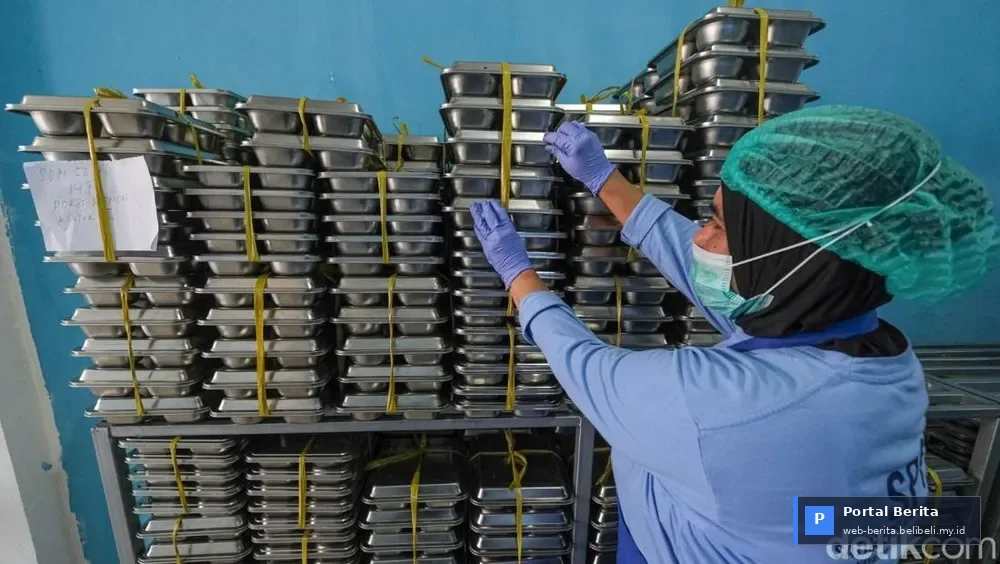
JAKARTA – The National Nutrition Agency (NNA) has sent shockwaves through the national food program landscape in early 2026, announcing the suspension of operations for 833 kitchens integral to the Free Nutritious Meal Program (FNMP). This decisive action follows a series of comprehensive audits that uncovered serious violations threatening the quality and safety of food for millions of beneficiaries, primarily schoolchildren.
NNA Head, Dr. Aria Sanjaya, stated in a press conference, “We will not compromise even an inch when it comes to the nutritional quality and food safety of our children. The FNMP is an investment in the nation's future, and its integrity must be impeccably maintained.” This suspension is part of the NNA’s efforts to strengthen oversight and ensure that every rupiah of the budget truly translates into nutritious and safe meals.
Why Were 833 Kitchens Halted?
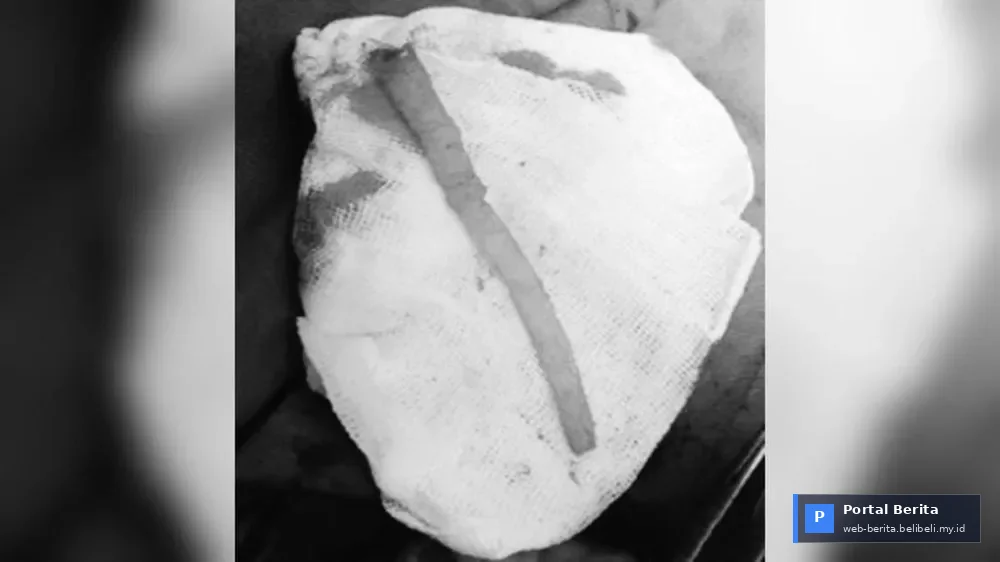
The violations discovered are diverse, ranging from poor hygiene standards and the use of substandard raw ingredients to administrative issues and financial reporting discrepancies. According to an NNA internal report released in February 2026, the majority of violations were directly related to kitchen facility sanitation (45%) and the quality and origin of food ingredients (30%).
“Some kitchens were found to lack valid hygiene certifications, use expired food items, or even fail to meet the established nutritional portion standards,” explained Dr. Sanjaya. “The sanctions are clear: suspended kitchens will not receive payments during their closure and must immediately implement corrective actions. Without improvements within the stipulated time, their contracts will be permanently terminated, and their names added to a blacklist.”
Independent nutrition expert, Professor Retno Wulandari from the National University of Nutrition, welcomed the move. “This sends an important signal that the government is serious. In a program as large as the FNMP, oversight is key. Nutritional quality and food safety are fundamental rights for children, not an option,” she commented.
Immediate Impact and Quick Solutions
This sudden suspension naturally raised concerns about the continued food supply for children in affected areas. The NNA quickly announced contingency plans. “We have activated our network of reserve kitchens and are collaborating with local governments to ensure no child loses access to nutritious meals,” Dr. Sanjaya affirmed. Mechanisms for diverting supplies to other verified kitchens or temporary provision from logistics centers have been implemented in the most affected regions.
The paramount priority is to minimize disruption and ensure program continuity. Parents and school officials are urged to monitor local announcements and contact the NNA hotline if they encounter any issues.
Strict Sanctions and Future Prevention
Beyond payment cessation, violating kitchens will also face a more in-depth audit process and be required to undergo retraining on operational standards. For severe violations, further investigations could lead to legal action, particularly if fraud or misuse of public funds is proven.
To prevent similar incidents in the future, the NNA plans to launch an integrated digital monitoring system by mid-2026. This system will enable real-time reporting on kitchen conditions, raw material quality, and compliance with nutritional standards. “We will also tighten the selection criteria for kitchen partners and increase the frequency of random field audits,” Dr. Sanjaya added.
NNA's Commitment to Optimal Nutrition
The Free Nutritious Meal Program is recognized as the backbone of the national strategy to combat stunting and malnutrition in Indonesia. With a target of reaching 25 million schoolchildren by the end of 2026, maintaining the program's credibility is a top priority.
The NNA invites all segments of society, including parents, teachers, and local communities, to participate as eyes and ears in overseeing the program's implementation. “Report any indications of violations. Your participation is vital to ensuring this program operates as expected and delivers maximum benefits for the nation's next generation,” concluded Dr. Sanjaya.
Frequently Asked Questions (FAQ)
- Are all Free Nutritious Meal Program (FNMP) kitchens affected?
- No, only 833 kitchens identified with serious violations have been suspended. The majority of other FNMP kitchens are operating normally.
- What happens to the children affected by the kitchen closures?
- The National Nutrition Agency (NNA) has activated contingency plans, diverting meal supplies to other verified kitchens or providing temporary solutions to ensure no child loses access to nutritious meals.
- What were the most common types of violations leading to suspension?
- The most common violations included issues with kitchen sanitation and hygiene, the use of raw ingredients that did not meet quality standards, and discrepancies in administrative and financial reporting.