🔑 Key Takeaways
- Head of the National Nutrition Agency (BGN), Sudaryono, addressed a Rp 1.6 trillion debt owed to third parties from the 2025 fiscal year.
- The debt accumulated due to ambitious national nutrition program expansions, with repayment now a primary focus of BGN's financial strategy for 2026.
- BGN is committed to transparency, improving budgetary efficiency, and ensuring the continuity and quality of essential national nutrition programs across Indonesia.
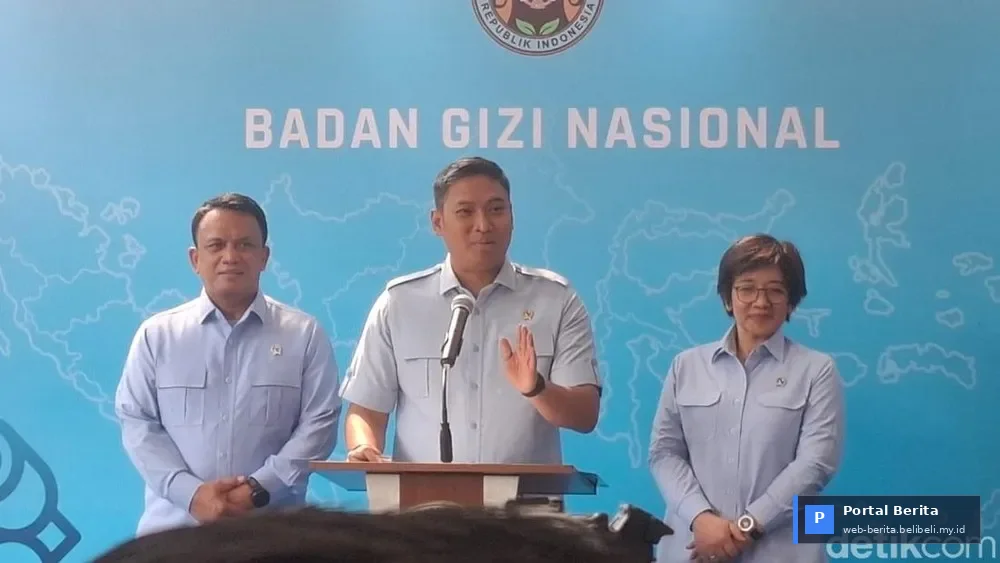
JAKARTA, March 12, 2026 – The Head of the National Nutrition Agency (BGN), Sudaryono, has finally spoken out regarding the agency's lingering Rp 1.6 trillion debt to third parties. In a press conference held today, Sudaryono transparently outlined the financial challenges faced by BGN and detailed a comprehensive strategy for debt repayment, which is a top priority for the 2026 fiscal year.
This significant debt, primarily incurred during the 2025 fiscal year, accumulated amidst the rapid acceleration and expansion of national nutrition programs. 'We acknowledge the burden of debt from the previous year, which arose from BGN's massive efforts to tackle stunting and malnutrition issues across the nation,' Sudaryono explained. 'The expansion of crucial programs such as nutritious food distribution, vitamin supplementation, and nutrition education required large-scale logistical and supply support from third parties. The synchronization between urgent needs on the ground and complex budget allocation processes often presented challenges.'
Background and Debt Accumulation
In 2025, BGN launched several ambitious initiatives to meet the government's national stunting reduction targets. These programs included the procurement of fortified food ingredients, nutritional measurement tools, and health consultation services in remote areas. However, Sudaryono revealed that the disbursement of funds from the Ministry of Finance did not always keep pace with program implementation, leading BGN to incur debts with vendors and service providers to maintain program momentum.
'We did not want any child to be late in receiving nutritional intake simply due to administrative issues. Our priority is public health,' Sudaryono asserted, highlighting the dilemma faced by his agency. 'However, we are also learning from this experience to strengthen our financial governance going forward.'
Repayment Strategy and Impact Mitigation
To address the Rp 1.6 trillion debt, BGN has developed a strategic plan encompassing several pillars. First, BGN will initiate renegotiations with third parties regarding payment schedules and potential debt restructuring. Second, BGN's internal teams will conduct a thorough audit of expenditures and program efficiency to identify areas for savings that do not compromise service quality.
'We are also actively communicating with the Ministry of Finance and the National Development Planning Agency (Bappenas) to explore additional funding solutions that can accelerate this debt repayment,' Sudaryono added. 'The government's commitment to supporting national nutrition programs is very strong, and we are optimistic about finding a sustainable solution.'
Public policy analyst from the University of Indonesia, Dr. Aisha Rahman, highlighted the importance of BGN's case as a valuable lesson for other government agencies. 'This demonstrates that good intentions in implementing public programs must be balanced with robust fiscal planning and responsive fund disbursement mechanisms,' she stated. 'Transparency and accountability in debt management, as shown by BGN, are crucial for maintaining public trust and national budgetary stability.'
Commitment to National Nutrition Programs
Sudaryono emphasized that despite facing financial challenges, BGN remains fully committed to continuing all essential nutrition programs. 'The public need not worry. Stunting prevention, malnutrition alleviation, and nutrition literacy programs will proceed as planned,' he affirmed. 'We are working diligently to ensure the impact of this debt on public services is as minimal as possible.'
Moving forward, BGN pledges to strengthen its procurement and financial management systems to prevent similar debt accumulation in the future. Focus will be placed on enhancing cross-sectoral coordination, more accurate budget projections, and more efficient payment mechanisms. 2026 will be a year of fiscal adjustment and recovery for BGN, with the hope of returning to optimal operation to realize a healthier and more nourished Indonesia.
Frequently Asked Questions (FAQ)
Q: Why does BGN have a debt of Rp 1.6 trillion?
A: The debt accumulated from the 2025 fiscal year, due to the aggressive expansion of national nutrition programs and challenges in synchronizing budget allocations with program implementation.
Q: How does BGN plan to repay this debt?
A: BGN is negotiating with third parties, re-evaluating internal efficiencies, and seeking additional government funding schemes to gradually settle the debt throughout 2026.
Q: Will this debt affect public nutrition programs?
A: Sudaryono asserts that BGN is committed to minimizing the impact on essential programs. The current focus is on balancing debt repayment with the continuity of vital nutrition services.