🔑 Key Takeaways
- The National Nutrition Agency (BGN) has issued a strict ultimatum to Nutrition Food Service Centers (SPPGs) that disregard food safety standards within the National Nutritious Food Program (MBG).
- Sanctions, including permanent operational suspension, will be imposed on SPPGs found in breach after audits and warnings.
- This measure underscores BGN's commitment to protecting the health of millions of MBG program beneficiaries in 2026, ensuring safe and high-quality nutrition.
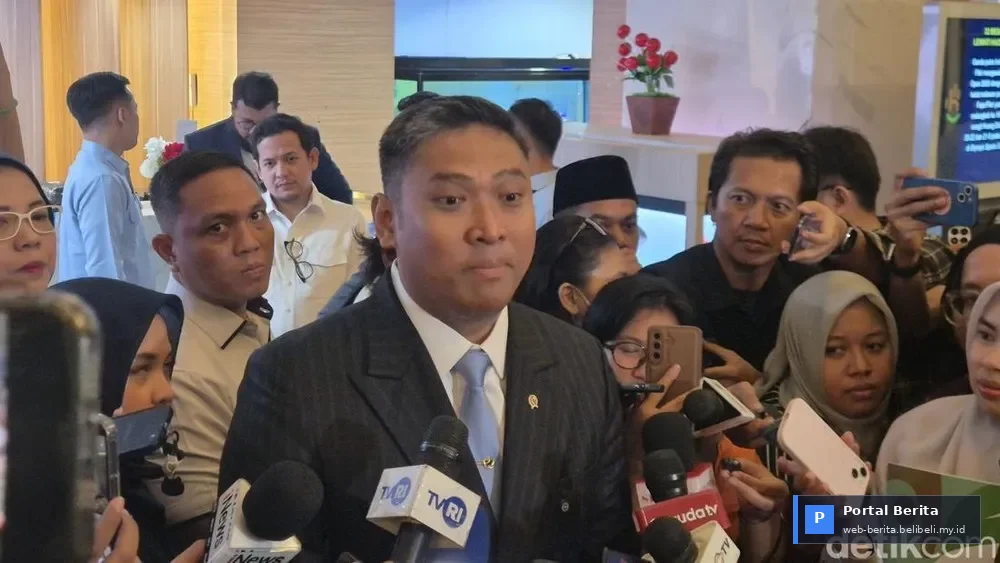
JAKARTA – Dr. Indah Permata, Head of the National Nutrition Agency (BGN), has issued a stern ultimatum to all Nutrition Food Service Centers (SPPGs) across Indonesia. Facilities found to be consistently neglecting food safety standards in the distribution of the National Nutritious Food Program (MBG) will face permanent operational suspension. This drastic measure signals a serious escalation in BGN's efforts to uphold food quality and safety for millions of program beneficiaries in 2026.
Dr. Permata emphasized that this policy is part of BGN's comprehensive reform to ensure every meal served through the government program meets the highest hygienic standards, especially given that the target beneficiaries are largely vulnerable groups.
BGN's Unwavering Commitment to Public Health
The MBG program, which has become one of Indonesia's largest public health initiatives and by 2026 has reached over 20 million individuals, is a crucial pillar in combating malnutrition and improving quality of life. The program provides free nutritious meals to schoolchildren, the elderly, pregnant women, and other vulnerable communities.
"We will not compromise on food safety standards. Public health is our absolute priority," stated Dr. Indah Permata during a press conference held at BGN's headquarters this week. "Any SPPG that fails to adhere to protocols will face severe consequences, to maintain public trust and the effectiveness of the MBG program. This is not just about quantity, but also about undeniable food quality and safety."
The Root of the Problem: Critical Standard Violations
BGN investigations conducted throughout late 2025 and early 2026 have uncovered several incidents where specific SPPGs were negligent in maintaining kitchen environment hygiene, unhygienic food handling procedures, and storing food ingredients below standard. These violations potentially lead to serious contamination and the risk of food poisoning.
Prof. Dr. Budi Santoso, a prominent food safety expert from the National Nutrition University, highlighted the urgency of the situation. "Even minor breaches in this nutritious food chain can have serious health implications, especially for vulnerable groups whose immune systems may not be optimal or have declined. The importance of stringent sanitation and adherence to HACCP (Hazard Analysis and Critical Control Points) procedures cannot be overstated," explained Prof. Santoso.
Consequences and Enforcement Mechanism
BGN has established a tiered enforcement procedure for sanctions. This process will begin with a detailed written warning, followed by in-depth audits and surprise inspections. If no significant improvements are made within the specified timeframe, permanent operational suspension and revocation of the SPPG's license will be immediately imposed.
To ensure continuity of service for beneficiaries, BGN has prepared a temporary relocation scheme. "We will promptly redirect beneficiaries from closed SPPGs to the nearest verified and compliant SPPGs, ensuring no disruption in the delivery of essential nutrition," added Dr. Permata. Additionally, BGN will launch a more rigorous re-training and certification program for all SPPG personnel, reinforcing their understanding of best food safety practices.
Looking Ahead: Innovation and Continuous Oversight
In an effort to prevent future violations, BGN plans to integrate IoT (Internet of Things) technology to monitor storage temperatures, humidity, and hygiene in SPPG facilities in real-time. This system will enable a rapid response to potential issues. Furthermore, BGN will also enhance community participation in oversight, empowering the public to report concerns and provide feedback.
"2026 will be a year of reaffirming our commitment to safe and quality nutrition. With stringent oversight, capacity building, and innovation, the MBG program will continue to be a beacon of hope and contribute significantly to the nation's health," concluded Dr. Indah Permata, calling upon all stakeholders to collaborate for a better nutritional future.
Frequently Asked Questions (FAQ)
Q: What is the National Nutritious Food Program (MBG)?
A: The MBG is an Indonesian government program providing free nutritious meals to vulnerable groups such as schoolchildren, the elderly, and pregnant women to combat malnutrition and improve health.
Q: What are the penalties for SPPGs that violate food safety standards?
A: SPPGs found neglecting food safety standards will face sanctions ranging from written warnings and audits to permanent operational suspension and license revocation.
Q: What if the SPPG in my area is closed due to violations?
A: BGN will redirect beneficiaries to the nearest verified and compliant SPPG to ensure the nutritional services continue without interruption.