🔑 Key Takeaways
- Football stars like Haaland and Messi often exhibit a forward head posture and slight hunch due to intense athletic demands and specific training regimens.
- This posture, known as 'forward head posture' and thoracic kyphosis, can impact athletic performance (e.g., lung capacity) and poses long-term spinal health risks.
- In 2026, prevention and correction involve targeted strength training, mobility enhancement, ergonomic awareness, and leveraging advanced monitoring technologies.
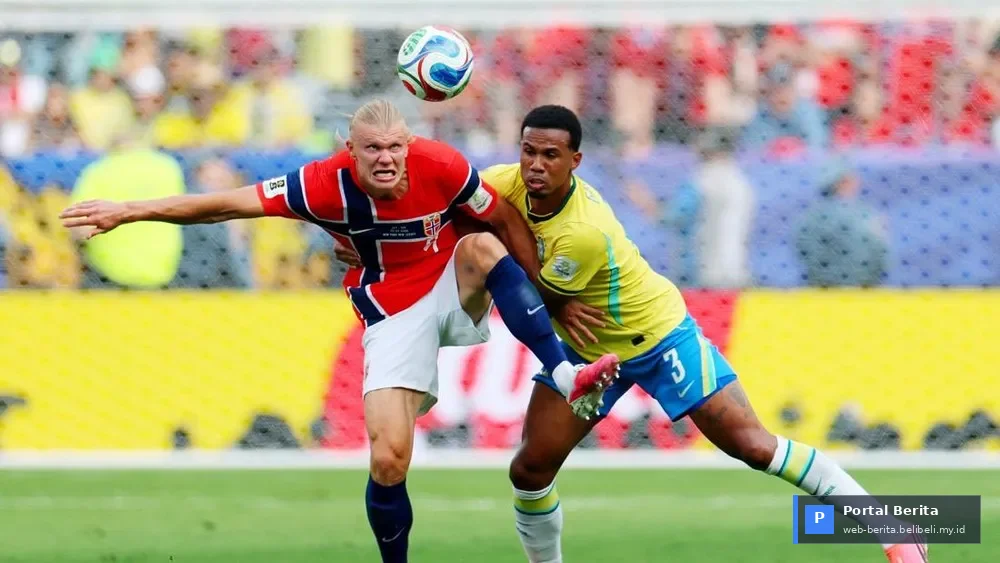
On the pitch, iconic figures like Erling Haaland and Lionel Messi captivate us with their speed, strength, and precision. But have you ever noticed that, at times, their posture doesn't always appear “perfect”? Often, these stars are seen with their necks slightly forward and their upper backs with a subtle hunch. This phenomenon is not an accident or a personal flaw, but rather a complex outcome of the extreme physical demands faced by professional athletes in 2026.
Why This Posture Occurs in Elite Athletes
Forward head posture and a slight hunch in the upper back (thoracic kyphosis) are relatively common, even among elite athletes. "This isn't an indication of weakness, but often an adaptation of the body to repetitive movements and high-workload demands in sports," explains Dr. Anita Widjaja, a leading sports orthopedic specialist in Jakarta, in our early 2026 interview. She adds, "The demands of football, for example, involve numerous sprints, sudden changes of direction, aerial duels, and maintaining sight of the ball—all of which excessively stress certain muscles."
Muscles in the front of the neck and chest (e.g., pectoralis minor) can become tight and shortened, while muscles in the upper back and posterior neck (e.g., rhomboids, deep cervical flexors) become weak or overstretched. This muscular imbalance is exacerbated by:
- Sport-Specific Strength Training: Overemphasis on pushing muscles without adequately balancing pulling muscles can lead to imbalances.
- Typical Sport Positions: In football, hunching slightly to control the ball or running with a forward gaze while scanning the field are frequently assumed positions.
- Recovery and Fatigue Factors: Chronic fatigue can impair muscles' ability to maintain proper posture.
- Genetics and Bone Structure: Some individuals may have a natural structural predisposition to kyphosis.
Impact of Posture on Performance and Long-Term Health
While elite athletes manage to perform excellently with this posture, there are potential impacts to be aware of:
- Breathing Capacity: A hunched posture can restrict rib cage expansion, reducing lung capacity, which is essential for athletic endurance.
- Injury Risk: A forward head can increase pressure on the intervertebral discs in the neck and upper back, potentially leading to pain, pinched nerves, or other chronic injuries.
- Balance and Agility: A shift in the center of gravity can affect balance and the ability to execute quick, explosive movements.
- Movement Efficiency: The body has to work harder to maintain stability, reducing overall energy efficiency.
Prevention and Correction Strategies in 2026
Top football clubs and professional sports teams in 2026 have integrated comprehensive posture prevention and correction programs:
- Balanced Strength Training: Focus on strengthening the upper back, rear shoulders, and deep core muscles.
- Mobility and Flexibility Exercises: Regular stretching for chest, anterior neck muscles, and thoracic spine mobilization.
- Ergonomic Awareness: Educating athletes on good posture off the field, especially when using electronic devices or resting.
- Technological Utilization: Advanced motion sensors and 3D video analysis allow coaches and physiotherapists to identify suboptimal postural patterns in real-time and design personalized interventions.
- Manual Therapy and Physiotherapy: Regular sessions with physiotherapists to release muscle tension and restore spinal alignment.
FAQ: Professional Athlete Posture
Q: Is forward head posture harmful to athletes?
A: While elite athletes often adapt, this posture can potentially increase the risk of neck/back injuries and affect breathing capacity and movement efficiency if left unaddressed.
Q: What are the main causes of this posture in football players?
A: The causes are multifactorial, including muscle imbalances from sport-specific training, repetitive body positions on the field, fatigue, and sometimes genetic factors.
Q: How do professional athletes address these postural issues in 2026?
A: They utilize a combination of balanced strength training, targeted mobility, manual therapy, and advanced monitoring technologies for personalized correction and prevention.