🔑 Key Takeaways
- PT Samwon Busana Indonesia officially closed its Jepara operational unit in early 2026, leading to the layoff of hundreds of employees.
- The Ministry of Industry (Kemenperin) responded to the incident by expressing deep concern, while reaffirming the government's commitment to the sustainability of the national textile industry and worker welfare.
- This closure highlights the ongoing challenges faced by Indonesia's garment sector amidst the 2026 global economic dynamics, including cost pressures, intense competition, and the urgent need for technological modernization and sustainable practices.
JAKARTA, 2026 – The Ministry of Industry (Kemenperin) has addressed the news of PT Samwon Busana Indonesia's operational unit closure in Jepara, Central Java, which resulted in the layoff of hundreds of its employees. This incident adds to the growing list of challenges confronting the national textile and textile product (TPT) industry amid the ongoing global economic volatility in 2026.
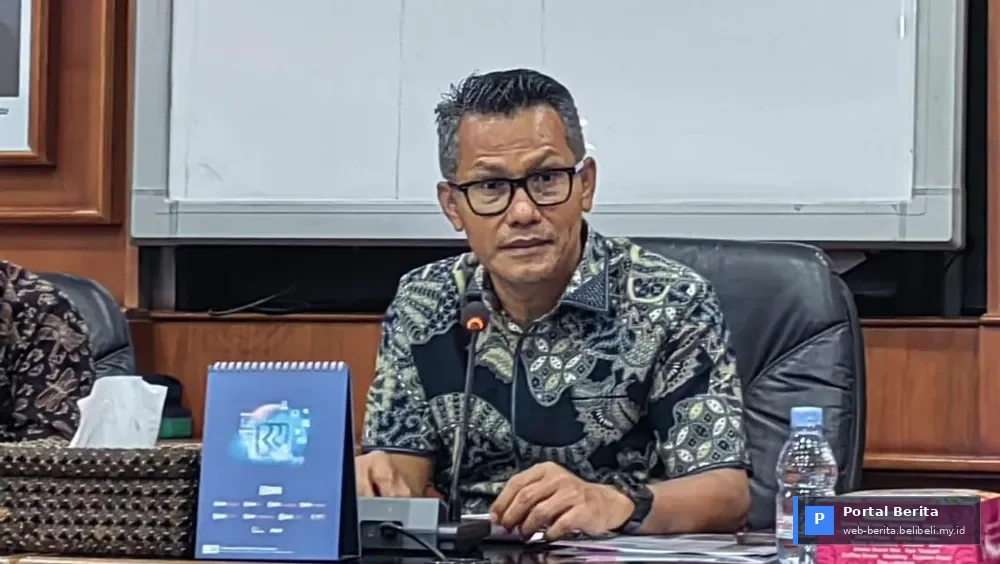
Kemenperin Spokesperson, Mr. Budi Hartono, stated in a virtual press conference today, “We are deeply concerned about the news of PT Samwon Busana’s closure in Jepara. This is an undesirable situation, and we are continuously coordinating with local governments and relevant parties to ensure that employees’ rights are fulfilled and the best possible solutions can be found.”
Economic and Social Impact in Jepara
The closure of the Samwon Busana factory, which has operated for over a decade in Jepara, directly impacts the livelihoods of hundreds of families. The laid-off employees now face job uncertainty in a competitive labor market. The Jepara local government has declared its commitment to maximizing efforts to facilitate job placement and retraining for affected workers.
An industrial economist from the University of Indonesia, Dr. Sarah Wijaya, commented on the situation, “The Samwon Busana case is a reflection of the structural pressures facing our labor-intensive industries. In 2026, rising operational costs, especially energy and raw materials, coupled with price competition from global manufacturers, are forcing companies to implement drastic efficiencies. Companies unable to rapidly adapt to Industry 4.0 technologies or transition to sustainable production will face increasing pressure.”
Kemenperin's Strategy for the TPT Industry 2026
Kemenperin emphasizes that the closure of Samwon Busana does not reflect the general condition of the entire national TPT industry, but rather serves as a catalyst for strengthening existing strategies. “The government, through the ‘Making Indonesia 4.0’ program, continues to encourage investment in modernization technologies within the TPT sector. We provide tax incentives for new machinery purchases and support the development of competent human resources in manufacturing digitalization,” added Mr. Budi.
Another initiative Kemenperin is promoting is the enhancement of product value-add and the diversification of export markets. This includes encouraging the production of garments with innovative designs, eco-friendly materials, and high-quality standards capable of competing in global premium markets.
Future Hopes and Challenges
Despite the challenges, Kemenperin remains optimistic about the long-term prospects of Indonesia's TPT industry. With appropriate policy support, such as simplified licensing, improved access to financing, and relevant training programs, the industry is expected to emerge stronger.
“Our focus is not only on business continuity but also on improving worker welfare. We are collaborating with Vocational Training Agencies and Job Training Centers to provide reskilling and upskilling programs so that laid-off workers can find new opportunities, even venturing into entrepreneurship,” explained Mr. Budi, stressing the importance of social safety nets and competency development programs.
FAQ: Frequently Asked Questions
1. Why did PT Samwon Busana Indonesia close its Jepara unit?
The closure is attributed to a combination of intense global market pressures, significantly rising operational costs, and the substantial need for technological modernization to remain competitive in the 2026 textile market.
2. What support is available for the laid-off workers?
The Ministry of Industry, in coordination with local governments and national programs like Kartu Prakerja, is providing new skill training, job placement assistance, and support for entrepreneurial initiatives to help workers transition.
3. How is the Ministry of Industry addressing challenges in the national textile sector?
Kemenperin actively promotes the adoption of Industry 4.0 technologies, offers investment incentives to enhance competitiveness, and champions sustainable manufacturing practices to ensure the industry's long-term growth and stability.