🔑 Key Takeaways
- Indonesia's Ministry of Health (Kemenkes) clarifies that the increase in detected HIV cases in Sidoarjo in 2026 is due to intensified early detection programs, not a surge in transmission.
- Proactive screening initiatives and heightened public awareness have successfully identified more previously undiagnosed cases, allowing for faster medical intervention.
- Early detection is crucial for initiating antiretroviral therapy (ART) promptly, improving the quality of life for those affected, and significantly reducing the risk of further transmission.
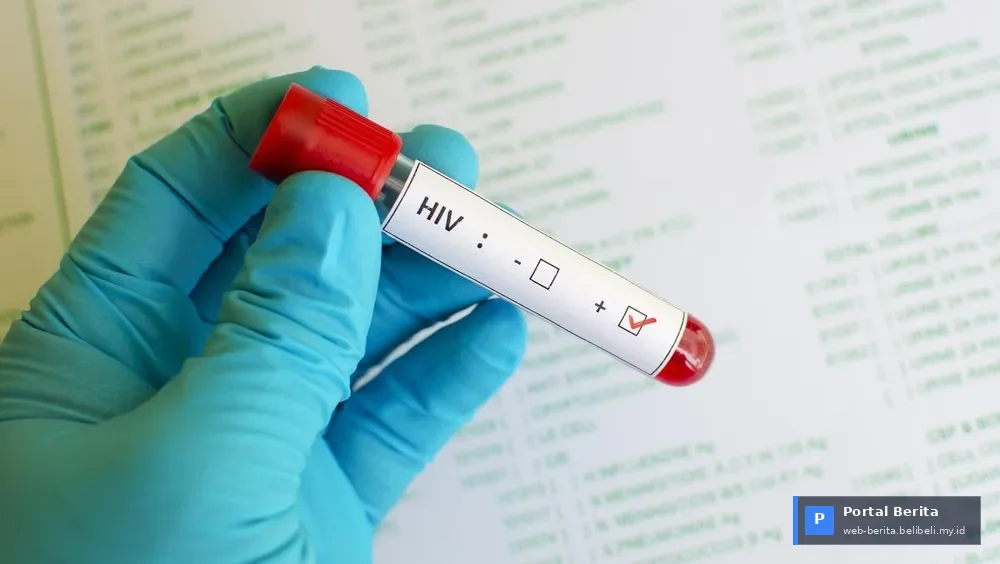
JAKARTA, INDONESIA – February 2026 – The Ministry of Health of the Republic of Indonesia (Kemenkes RI) has officially clarified information regarding the increase in detected Human Immunodeficiency Virus (HIV) cases in Sidoarjo Regency. This clarification aims to allay public concerns and affirm that the recorded surge in numbers is not due to a massive increase in HIV transmission but rather reflects the success of increasingly intensive early detection and screening programs in the region.
In a recent statement, the Director-General of Disease Prevention and Control (P2P) at Kemenkes RI, Dr. dr. Maxi Rein Rondonuwu, D.L.S.M., MARS, explained that existing data demonstrates the effectiveness of public health strategies. “The higher number of HIV cases found in Sidoarjo in early 2026 should be viewed as a positive indicator of our health system's response,” stated Dr. Maxi. “It shows that we are increasingly successful in reaching individuals living with HIV who were previously unaware of their status, thanks to aggressive screening programs and increased public awareness to get tested.”
Enhanced Detection, Not Increased Transmission
Since 2023, Kemenkes RI has championed the 'Indonesia Without Stigma, Indonesia Without AIDS' program, focusing on expanding access to HIV testing, especially among key populations and high-risk groups. Sidoarjo Regency, as an area with high population mobility, has been a focal point for implementing this program, including routine screenings at health facilities, community clinics, and mobile testing initiatives.
The Head of the Sidoarjo Health Agency, Dr. dr. Syaf Rizal, M.Kes., added that collaborative efforts with various non-governmental organizations and local communities have further strengthened the program's reach. “We have increased the capacity of health workers and volunteers in providing HIV counseling and testing. As a result, we have identified more previously undiagnosed cases. This does not mean the rate of transmission has drastically increased, but rather our ability to find new cases is much better,” explained Dr. Syaf.
The Crucial Role of Early Diagnosis for Treatment and Prevention
Early detection is key in HIV/AIDS response efforts. By knowing their HIV status earlier, individuals can promptly begin antiretroviral therapy (ART). Regular ART can suppress the amount of HIV virus in the body to an undetectable level (Undetectable = Untransmittable or U=U), meaning an individual cannot transmit HIV sexually to others. This not only improves the quality of life for those affected but also serves as a highly effective prevention strategy.
“With every new case detected and receiving treatment, we are not only saving a life but also protecting the community from potential transmission,” said a senior HIV counselor from the Sidoarjo Healthy Care Foundation, Ibu Budiarti. “It is important for the public to understand that HIV testing is a proactive step for their own health and that of their loved ones.”
Maintaining Momentum and Fighting Stigma
Kemenkes RI and the Sidoarjo local government are committed to continuing to expand the reach of HIV testing and ensure access to ART. Education campaigns to eliminate stigma against PLHIV (People Living With HIV/AIDS) will also be intensified, as stigma remains one of the biggest barriers for individuals seeking testing and treatment.
UNAIDS' global 95-95-95 targets – 95% of people living with HIV know their status, 95% of those who know their status are on antiretroviral therapy, and 95% of those on ART achieve viral suppression – serve as a primary reference in national efforts. Sidoarjo's success in early detection is a significant step forward towards achieving these targets in Indonesia by 2030.
Frequently Asked Questions (FAQ)
1. What does the 'surge in cases' of HIV in Sidoarjo actually mean?
This surge does not indicate a drastic increase in HIV transmission, but rather that more cases are being detected due to intensified screening and testing programs, alongside increased public awareness to get tested for HIV.
2. Is Sidoarjo unsafe regarding HIV transmission?
No. The increase in detection shows that Sidoarjo's health system is active in finding cases and initiating treatment. This actually makes the region safer because more individuals living with HIV are receiving care, and the potential for transmission is reduced.
3. What should I do if I am concerned about my HIV status?
If you have concerns, it is recommended to get tested for HIV immediately. Testing is available free and confidentially at various health facilities, community health centers (Puskesmas), and clinics. Counselors will provide the necessary support and information.