🔑 Key Takeaways
- The National Strategic Project (PSN) for the Dumai-Sei Mangkei (Dusem) Gas Transmission Pipeline Segment 2 has achieved over 78% progress by 2026.
- Full completion of this vital project is targeted for 2027, poised to strengthen national energy security and support industrial growth in Sumatra.
- The 247 km pipeline will serve as a backbone for natural gas distribution, enhancing energy efficiency and economic competitiveness, particularly in special economic zones.
JAKARTA – The National Strategic Project (PSN) for the Dumai-Sei Mangkei (Dusem) Gas Transmission Pipeline Segment 2 continues to demonstrate rapid progress. As of mid-2026, construction of this crucial energy infrastructure is reported to have reached over 78% completion, putting it on a fast track towards its full completion target in 2027. The pipeline's inauguration is expected to be a catalyst for economic growth and strengthened energy resilience across the Sumatra region.
Driving Energy Independence and Sumatra's Economy
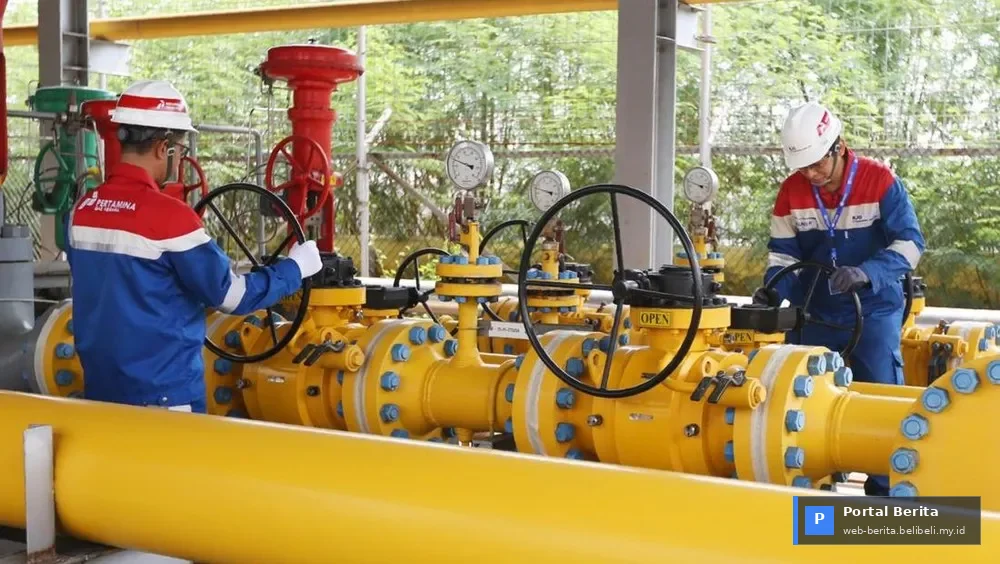
The Dusem Segment 2 pipeline, stretching 247 kilometers, is designed to connect gas supply from Dumai to Sei Mangkei in North Sumatra, while also serving energy needs along its corridor. This project, undertaken by PT Pertamina Gas (Pertagas), is an integral part of the government's efforts to optimize the utilization of natural gas as a clean and efficient energy source.
'We are very optimistic that the Dusem Segment 2 pipeline will be completed on schedule in 2027,' stated Mr. Ardiansyah Bakri, Director General of Oil and Gas at the Ministry of Energy and Mineral Resources, in a recent interview. 'This infrastructure is not just about distributing gas; it's about fostering energy independence, reducing reliance on imported fuels, and unlocking new investment opportunities, especially in the strategic Sei Mangkei Special Economic Zone (SEZ).'
The economic impact of this project is projected to be highly significant. With a stable and affordable gas supply, industries across Sumatra, ranging from petrochemicals and palm oil to manufacturing, will gain a substantial competitive advantage. This is expected to attract more investment, create jobs, and boost local revenues.
Construction Progress and Technical Challenges
Despite navigating varied terrain, including swamps and plantation areas, the project team has shown high commitment. 'Construction progress so far has been on schedule, and in some areas, even exceeding expectations. Our current focus is on completing pipeline installation and system testing to ensure operational safety and reliability before commissioning next year,' explained Ms. Sari Dewi, Dusem Segment 2 Project Head at Pertagas.
The application of advanced technology in welding, inspection, and quality testing is key to maintaining high construction standards. Furthermore, environmental sustainability and local community empowerment are also priorities, involving local labor and suppliers wherever possible.
When fully operational in 2027, the Dusem Segment 2 pipeline will complement Indonesia's broader natural gas transmission network, reinforcing the country's position as a key player in the regional energy transition. This marks a significant stride in Indonesia's long-term energy vision.
Frequently Asked Questions (FAQ)
What is the Dusem Segment 2 Pipeline Project?
The Dusem Segment 2 Pipeline Project is a 247 km National Strategic Natural Gas Transmission Pipeline connecting Dumai to Sei Mangkei in Sumatra, aimed at distributing gas and strengthening national energy security.
When is the project targeted for completion?
The project is targeted for full completion and operational launch in 2027.
What are the main benefits of the Dusem Segment 2 Pipeline for Indonesia?
Key benefits include enhanced energy security, support for industrial growth in Sumatra with stable gas supply, cost efficiency, and job creation.