🔑 Key Takeaways
- Finance Minister Purbaya Yudhi Sadewa targets significant tax revenue increases in 2026 by optimizing the Coretax system.
- The performance of tax offices and individual employees will be closely monitored, with firm consequences for those failing to meet standards, including potential position adjustments.
- This initiative is part of broader bureaucratic reform and digitalization efforts to achieve a more efficient and accountable tax administration.
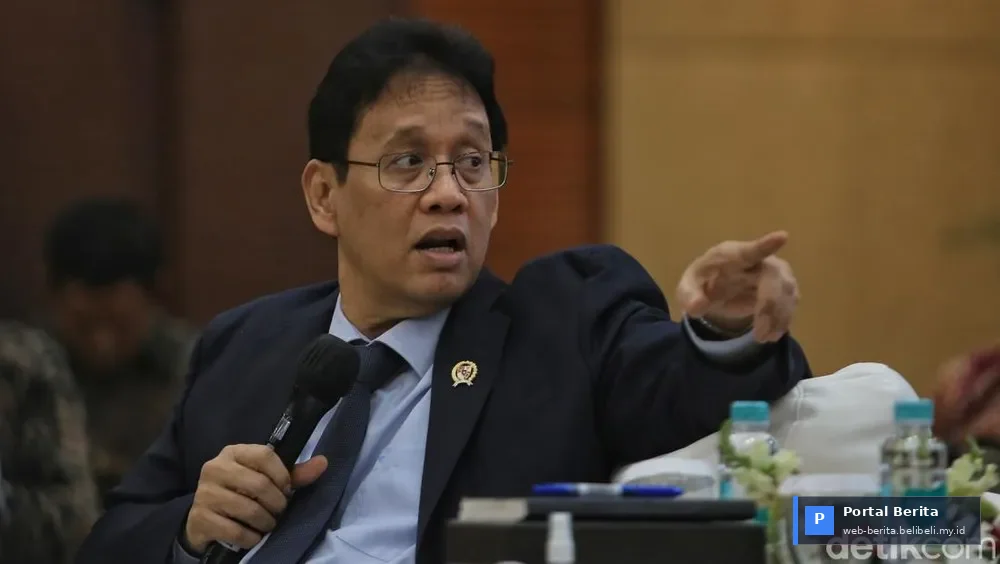
JAKARTA, March 22, 2026 – The Ministry of Finance (MoF) of the Republic of Indonesia, under the leadership of Finance Minister Purbaya Yudhi Sadewa, has reiterated its commitment to maximize state revenue in 2026. The primary focus is on enhancing efficiency and accountability within the tax system, with the Core Tax Administration System (Coretax) serving as the backbone of this strategy. Minister Purbaya issued a strong warning that the performance of every tax office and individual employee would be rigorously monitored, with significant implications for those who fail to meet performance targets.
Coretax: The Main Pillar of 2026 Tax Reform
The Coretax system, which has been fully implemented and optimized by 2026, now functions as the digital heart of Indonesia's tax administration. This system integrates all tax business processes, from taxpayer registration, reporting, and payment to law enforcement. "Coretax is not just a tool; it's an ecosystem designed to enhance transparency, data accuracy, and service efficiency," Minister Purbaya stated during an internal meeting. "With integrated data and predictive analytics, we can identify potential leakages and optimize tax collection strategies more intelligently."
Dr. Indah Permata, a fiscal economics expert from Gadjah Mada University, explained, "The mature implementation of Coretax in 2026 signifies a major leap in bureaucratic modernization. It will reduce manual interactions prone to corruption and accelerate processes, ultimately benefiting both taxpayers and the state." According to her, the system also enables the MoF to conduct real-time performance monitoring, providing a strong data foundation for evaluation.
Tightening Performance Standards and Employee Accountability
In line with Coretax optimization, Minister Purbaya emphasized the importance of individual employee performance. "The era where employees could work slowly and without accountability is over," he asserted. "Every employee, from operational staff to office heads, will be measured against clear and quantifiable key performance indicators. For those who consistently fail to meet expectations, we will not hesitate to take firm action, including position restructuring or even adjustments to employment status."
This statement reflects the government's drive to create a lean, efficient, and results-oriented bureaucracy. Performance monitoring will be comprehensive, based not only on the quantity of tax collected but also on the quality of service, the improved compliance rate of taxpayers, and operational efficiency of offices. "This is not a threat, but a commitment to realizing a world-class tax bureaucracy capable of competing and serving excellently," Purbaya added.
Chasing Revenue Targets and National Development
The pressure to secure optimal tax revenue in 2026 is exceptionally high, given the government's ambitious targets for infrastructure financing and social welfare programs. With stable economic growth requiring strong fiscal impetus, every tax rupiah is crucial. The Coretax system is expected to curb tax avoidance and increase voluntary compliance through ease of service and transparency.
Strict oversight of employee performance is an inseparable part of this strategy. "Taxes are the backbone of national development. We cannot allow suboptimal performance to hinder our collective efforts to build a more prosperous Indonesia," Minister Purbaya concluded, urging all ranks of the Directorate General of Taxes to work with integrity and high professionalism.
❓ Frequently Asked Questions
- What is the Coretax system and when did it become effective?
Coretax is an integrated digital core tax administration system in Indonesia. By 2026, the system has been fully implemented and optimized to manage all tax processes, enhancing efficiency and transparency. - How will the Ministry of Finance monitor tax employee performance?
The MoF will use clear and measurable Key Performance Indicators (KPIs), monitor in real-time through an integrated system, and conduct regular evaluations of each tax office and individual employee based on collection quantity, service quality, and operational efficiency. - What are the consequences for employees who do not meet performance targets?
For employees who consistently fail to meet performance standards, the MoF may take firm actions such as position restructuring, adjustment of employment status, or other disciplinary actions as per applicable regulations, as part of efforts to enhance bureaucratic professionalism.