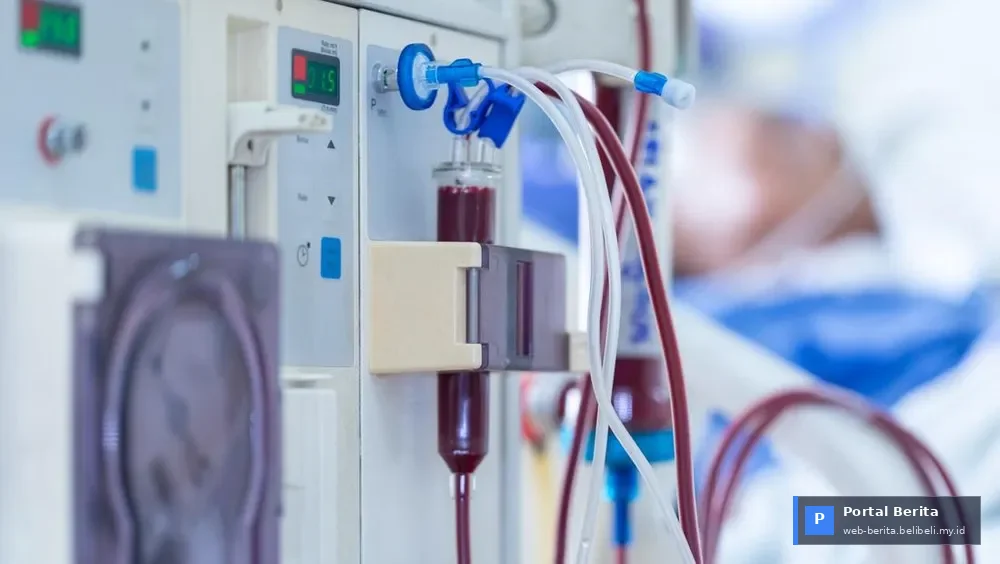
🔑 Key Takeaways
- A rising concern in 2026 points to an increase in early-onset kidney failure cases among Gen Z, triggered by often-unrecognized modern lifestyle habits.
- Diets high in sugar, salt, caffeine, insufficient hydration, sedentary lifestyles, and chronic stress are key risk factors that burden kidney function.
- Prevention involves balanced nutrition, adequate hydration, regular physical activity, stress management, and routine health check-ups for early detection.
JAKARTA, 2026 – In the fast-paced world of 2026, global concerns are mounting over the prevalence of early-onset kidney failure affecting younger demographics, particularly Generation Z. Health experts are warning that seemingly 'normal' lifestyle habits amidst the hustle and bustle of modern life are becoming primary triggers, silently damaging this vital organ.
Dr. Surya Pratama, a leading nephrologist at Bhakti Husada Hospital, expressed his concern. “We are seeing a worrying trend where patients in their 20s and 30s are being diagnosed with significant kidney damage. Dietary patterns, sleep habits, and the high stress levels associated with the digital lifestyle appear to be major contributors,” he stated during a recent health seminar.
'Digital Natives' Lifestyles and Kidney Threats
Generation Z, having grown up with digital technology, often falls into lifestyle patterns that strain their kidneys. Here are some habits to be aware of:
- Consumption of Ultra-Processed Foods and Sugary Drinks: A reliance on fast food, packaged snacks high in salt and sugar, and carbonated or energy drinks. The high content of sodium, sugar, and additives forces the kidneys to work extra hard to filter and eliminate waste.
- Inadequate Optimal Hydration: Frequently replacing plain water with coffee, sweetened teas, or energy drinks. Chronic dehydration can reduce blood flow to the kidneys, impairing their function over time.
- Sedentary Lifestyle: Long hours of work or study in front of screens, coupled with minimal physical activity, contribute to obesity, type 2 diabetes, and hypertension – all major risk factors for kidney disease.
- Sleep Deprivation and Chronic Stress: Irregular sleep schedules, staying up late for entertainment or work, and pressure from the digital and social worlds can trigger inflammation and hormonal imbalances that negatively impact kidney health.
- Misuse of Over-the-Counter Medications and Supplements: Excessive or unsupervised consumption of certain pain relievers (NSAIDs) and unregulated supplements can directly damage the kidneys.
Recognizing Early Symptoms: Don't Be Too Late
Kidneys are resilient organs and often don't show significant symptoms until damage is severe. However, there are some early signs to watch out for:
- Extreme fatigue and decreased energy.
- Swelling in the feet, ankles, or around the eyes.
- Frequent urination, especially at night.
- Dry, itchy skin, or unusual rashes.
- Muscle pain or cramps.
- Decreased appetite, nausea, or changes in taste.
- High blood pressure that is difficult to control.
Prevention in the Modern Era
While the threat is real, early kidney failure can be prevented with lifestyle changes. Dr. Pratama advises:
- Healthy Diet: Prioritize whole foods, fruits, vegetables, whole grains, and lean proteins. Limit intake of salt, sugar, and processed foods.
- Optimal Hydration: Drink plenty of plain water throughout the day. Carry a water bottle wherever you go.
- Stay Active: Dedicate at least 30 minutes to moderate physical activity daily. Even a short walk can be very beneficial.
- Prioritize Sleep and Manage Stress: Aim for 7-9 hours of sleep each night. Practice relaxation techniques like meditation or yoga, and limit screen time before bed.
- Routine Health Check-ups: Don't delay regular blood and urine tests, especially if there's a family history of kidney disease or you have other risk factors.
Awareness is the first step. By understanding the risks and taking proactive measures, Generation Z can protect their kidneys and ensure a healthier future amidst the challenges of modern lifestyles.
Frequently Asked Questions
- Are energy drinks really harmful to the kidneys?
- Yes, energy drinks often contain high doses of caffeine, sugar, and additives that can increase blood pressure, lead to dehydration, and burden the kidneys if consumed excessively or regularly.
- How much water should one drink daily?
- Generally, it's recommended to drink about 8 glasses (approximately 2 liters) of plain water per day, but individual needs can vary depending on activity level, climate, and health conditions.
- Can early kidney damage be reversed?
- Depending on the severity and cause, some forms of early kidney damage can be reversed or at least have their progression slowed significantly with drastic lifestyle changes and appropriate medical intervention. Early detection is key.