🔑 Key Takeaways
- Recent 2026 studies reveal simple daily habits are highly effective in preventing early cognitive decline and aiding weight management.
- Key pillars include regular light physical activity, a balanced diet, and quality sleep as foundational for both cognitive and physical health.
- This holistic approach offers proactive, easy-to-integrate solutions for long-term brain and body well-being.
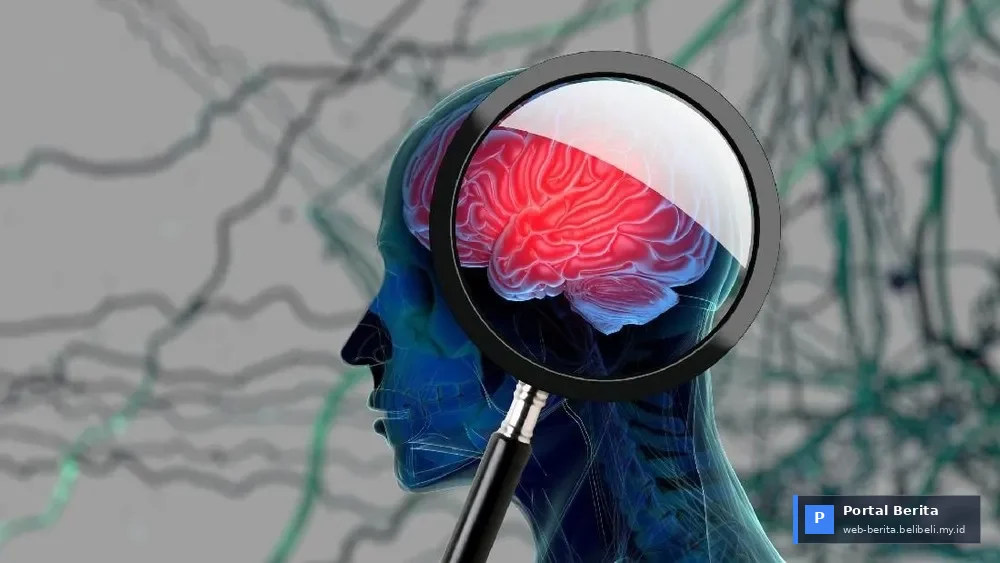
In the bustling modern landscape of 2026, the occasional forgetfulness of misplacing keys or a crucial date might seem trivial. However, if it happens frequently, it could be an early signal of something more serious: early cognitive decline, or mild cognitive impairment. The good news is that groundbreaking research this year reveals the key to keeping your brain sharp and even effectively managing weight may lie in simple habits we can adopt every day.
“The interconnectedness of our physical and mental health is more profound than we ever fully appreciated,” explains Dr. Elena Petrova, a leading cognitive neuroscientist at the Global Brain Health Institute. “Small, consistent lifestyle adjustments are proving to be our most powerful defense against early cognitive decline and metabolic imbalances.”
Pillar One: Smart Nutrition for Brain and Body
Our diet forms the primary foundation. In 2026, experts continue to emphasize the importance of an antioxidant-rich, low-processed-sugar diet. It's not just about weight, but about 'feeding' your brain. A study published in early 2026 found that individuals adhering to a Mediterranean-style diet – rich in vegetables, fruits, whole grains, and healthy fats – had larger brain volumes and better cognitive function, while also tending to maintain a healthier body mass index (BMI). These foods help reduce systemic inflammation, a key factor in both conditions.
Aim to include more fatty fish (salmon, mackerel) for Omega-3s, berries for antioxidants, and dark leafy greens for Vitamin K.
Pillar Two: Movement as Medicine
You don't need to be an athlete to reap the benefits. Regular, even simple, movement is key. A brisk 30-minute walk daily, three to five times a week, has been shown to improve blood flow to the brain, stimulate new brain cell growth, and enhance neural connections. Furthermore, physical activity naturally burns calories and builds muscle mass, which is vital for a healthy metabolism and long-term weight management. Research in 2026 indicates that moderate aerobic exercise significantly delays the onset of early cognitive decline in high-risk groups.
Integrate walks during lunch breaks, opt for stairs instead of elevators, or perform light stretches hourly.
Pillar Three: The Power of Quality Sleep
Sleep is often the first thing sacrificed, yet it's our brain's 'cleansing' cycle. During deep sleep, the brain actively flushes out metabolic waste products, including amyloid-beta proteins linked to Alzheimer's disease. Adequate sleep (7-9 hours per night for adults) also regulates appetite hormones (ghrelin and leptin), which directly impact your weight. Sleep deprivation can heighten cravings for unhealthy foods and lead to weight gain.
Establish a consistent sleep schedule, create a dark and cool sleep environment, and avoid screens before bedtime.
Building Habits for a Brighter Future
Early cognitive decline and weight challenges are not inevitable fates. By integrating these simple habits into your daily routine in 2026, you are not only investing in a better physique but, more importantly, in a brighter cognitive future and a higher quality of life.
Frequently Asked Questions (FAQ)
What are the early signs of cognitive decline I should watch for?
Repeatedly forgetting important names or appointments, struggling to find the right words, or experiencing confusion with routine tasks can be early indicators. If concerned, consult a medical professional.
How quickly can I expect to see results from adopting these habits?
Cognitive and physical benefits are cumulative. With consistency, many individuals report improved focus and energy within a few weeks, while preventing early cognitive decline is a long-term investment.
Can these habits replace medical treatment for specific conditions?
No. These healthy habits are a powerful complement to a healthy lifestyle and prevention, but they are not intended to replace diagnosis, treatment, or advice from a medical professional.