🔑 Key Takeaways
- Indonesia targets robust beef self-sufficiency by 2030, building on strategic initiatives rigorously pursued in 2026.
- Key strategies include advanced genetic improvement for livestock, adoption of modern farming technology, and comprehensive empowerment of local farmers.
- Close collaboration between the government, private sector, and farming communities is vital for ensuring sustainable growth and national food security.
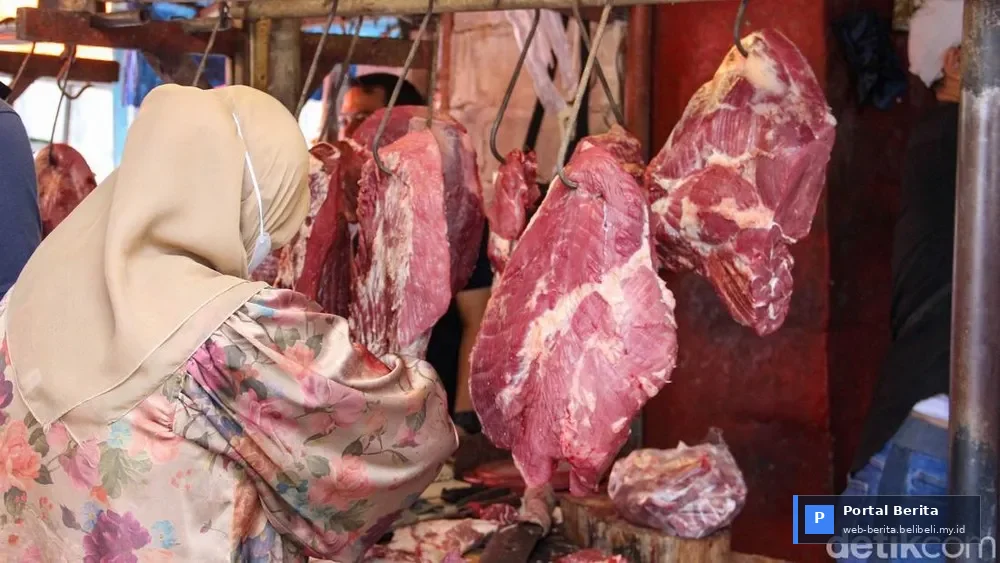
In 2026, Indonesia's ambitious pursuit of beef self-sufficiency is gaining significant momentum, with the government outlining clear strategies to reduce reliance on imports and stabilize domestic prices. This long-term vision aims to ensure food security and economic resilience for millions, strengthening the foundations of the national agricultural sector.
Advanced Breeding Programs and Genetic Enhancement
A cornerstone of the government's plan is the accelerated development of superior cattle breeds. Through extensive research and development led by institutions like the National Livestock Research Center, 2026 sees the widespread implementation of artificial insemination programs using high-quality semen from local and selected imported genetics. This focus on genetic improvement promises not only increased meat yield but also disease resistance, crucial for sustainability. "Our goal is to create a robust, self-sustaining cattle population capable of meeting national demand," states Dr. Budi Santoso, a leading livestock geneticist, emphasizing the importance of sustainable and data-driven breeding practices.
Modernization of Farming Technology and Infrastructure
Beyond genetics, the drive for self-sufficiency is heavily invested in modernizing the entire beef production chain. This includes the adoption of smart farming technologies – from IoT-enabled feed management systems to precision agriculture techniques for forage cultivation. Cold chain logistics and modern slaughterhouses are also being upgraded across key production hubs, ensuring efficiency and hygiene according to international standards. The Minister of Agriculture, during a recent press briefing, highlighted, "By 2026, we've significantly expanded our cold storage capacity and improved our distribution networks, crucial steps to minimize waste and deliver fresh, quality beef to consumers nationwide."
Empowering Local Farmers and Strengthening Supply Chains
Recognizing farmers as the backbone of this initiative, extensive training and capacity-building programs are underway. These programs equip local breeders with best practices in animal health, nutrition, and farm management, often leveraging digital platforms for wider reach. Financial incentives, including low-interest loans and subsidized feed, are also provided to encourage participation and growth, particularly among smallholder farmers. Furthermore, efforts are being made to streamline the supply chain, reducing intermediaries and fostering direct partnerships between farmers and distributors, thereby improving farmer profitability and consumer affordability.
Addressing Challenges and Future Outlook
While progress is evident, challenges remain, including land availability for pasture, climate change impacts, and disease control. However, the multi-faceted approach involving strong policy support, technological innovation, and community engagement positions Indonesia favorably. Analysts from the Institute for Economic Studies project that with sustained commitment, Indonesia is well on track to achieve a significant reduction in beef import dependency by the end of the decade, potentially moving towards full self-sufficiency in key regions. This strategic push is not just about meat; it's about bolstering rural economies and ensuring a stable food future for the nation.
FAQ
- Q: When does Indonesia aim to achieve full beef self-sufficiency?
A: The government targets robust beef self-sufficiency by 2030, with significant milestones expected by the end of 2026 through various structured programs. - Q: What are the main strategies employed to boost local beef production?
A: Key strategies include advanced genetic improvement programs for superior cattle breeds, modernizing farming and livestock technology, and empowering local farmers through training and financial incentives. - Q: How does the government support smallholder beef farmers in Indonesia?
A: Smallholder farmers receive support through intensive training, access to low-interest loans, subsidized feed programs, and efforts to streamline supply chains for better market access and fair pricing.