🔑 Key Takeaways
- A sudden asymmetrical smile, where one side of the face does not respond, is a critical yet often overlooked early indicator of a stroke.
- Understanding the FAST acronym (Face, Arm, Speech, Time) is paramount for recognizing other stroke symptoms and acting promptly.
- Every second counts. Immediate medical attention can significantly improve recovery outcomes and limit brain damage.
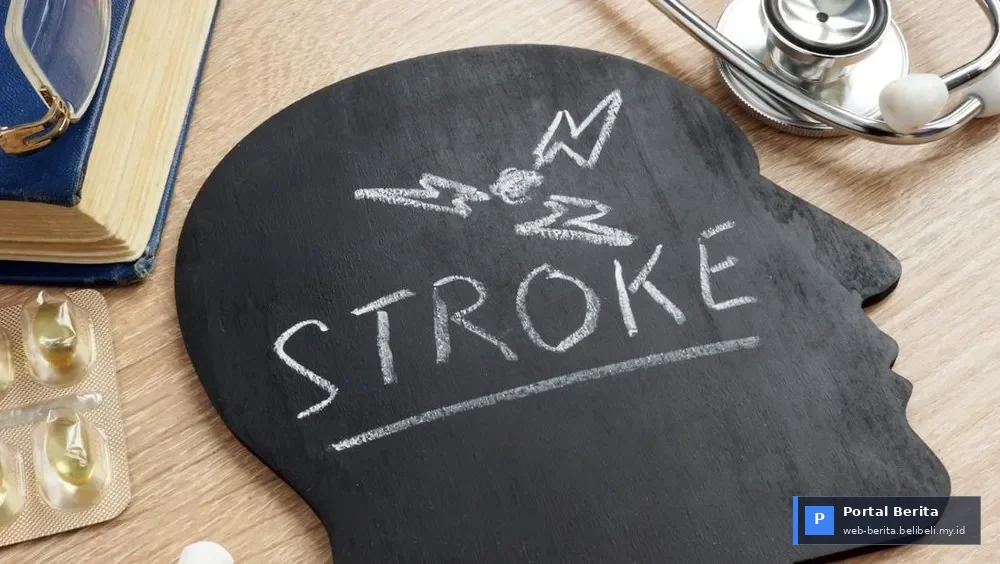
In 2026, stroke remains one of the leading causes of long-term disability and mortality worldwide. Often, its symptoms appear abruptly and can be easily missed or misinterpreted, especially in the early stages. However, awareness of these early warning signs can be the difference between a full recovery and life-altering impacts. One of the most crucial, yet unfortunately often overlooked, early signs is a sudden asymmetrical smile.
The Asymmetrical Smile: An Overlooked Warning Signal
Imagine someone attempting to smile, but one corner of their mouth doesn't lift, or even sags downwards. This condition is known as an asymmetrical smile, and it's a direct manifestation of sudden facial muscle weakness. This weakness occurs due to an interruption of blood flow to the part of the brain that controls those muscles.
“Observing a face that is not symmetrical when someone tries to smile, even for a fleeting moment, should trigger an immediate response,” explains Dr. Alistair Finch, a leading neurologist at the Global Stroke Prevention Initiative 2026. “It's one of the clearest initial indicators of a stroke in progress that anyone can spot. Many dismiss it as tiredness or just a 'funny look,' when in fact, it's a blaring red alarm.”
Beyond the Smile: Understanding the FAST Acronym
While an asymmetrical smile is a vital sign, a stroke often comes with a constellation of other symptoms. To facilitate easy identification and swift action, healthcare professionals globally continue to emphasize the acronym FAST:
- F (Face): Is one side of the face drooping or numb? Ask the person to smile. Is their smile uneven?
- A (Arm): Is one arm weak or numb? Ask the person to raise both arms. Does one arm drift downwards?
- S (Speech): Is their speech slurred, difficult to understand, or are they having trouble understanding speech? Ask them to repeat a simple sentence.
- T (Time): If you observe any of these signs, Time is of the essence. Call emergency services immediately (e.g., 911 or your local emergency number).
Why Every Second Counts
The concept of the “golden hour” for stroke treatment is still highly relevant in 2026. Thrombolytic therapy (clot-busting drugs) and thrombectomy procedures (mechanical clot removal) are most effective when administered within the first few hours of symptom onset. Delays can lead to more extensive and permanent brain damage, resulting in severe disability.
“Every minute wasted during a stroke means millions of brain cells lost,” adds Dr. Finch. “Advancements in medical technology in recent years allow for more sophisticated interventions, but their effectiveness critically depends on how quickly patients reach the appropriate medical facility.” Public awareness campaigns in 2026 are geared towards ensuring the public understands this urgency.
Proactive Prevention and Healthy Living
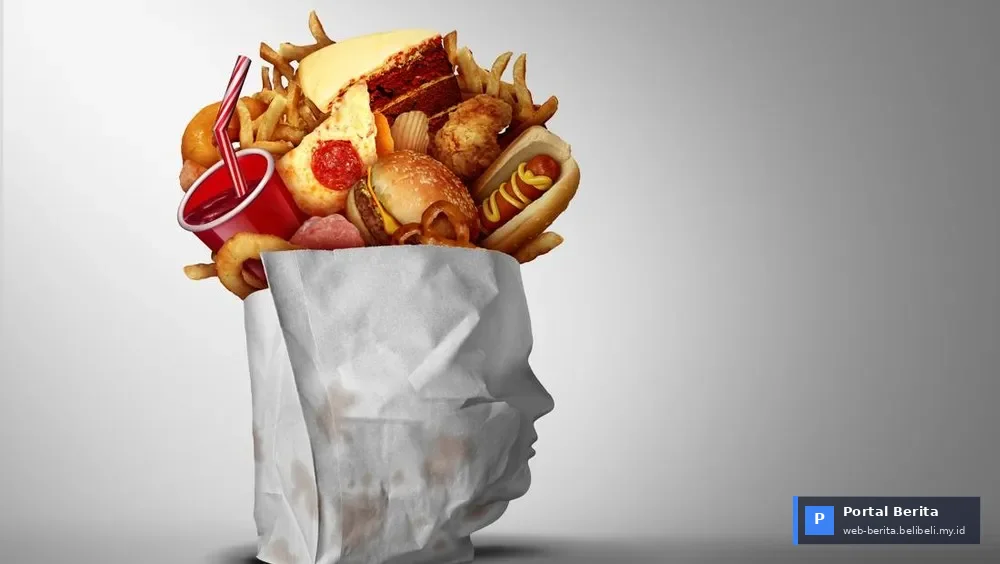
While recognizing stroke signs is crucial, prevention remains the best defense. Managing risk factors such as high blood pressure, diabetes, high cholesterol, and atrial fibrillation is paramount. A healthy lifestyle encompassing a balanced diet, regular exercise, and avoiding smoking or excessive alcohol consumption, forms the cornerstone of prevention recommended by 2026 health guidelines.
Never dismiss subtle changes in a smile or someone's ability to speak or move. Awareness and swift action are our greatest strengths in combating the impact of stroke. Recognize the signs, remember FAST, and act without hesitation.
❓ Frequently Asked Questions
-
Does every asymmetrical smile mean someone is having a stroke?
Not always, but any sudden asymmetrical smile, especially if accompanied by other FAST symptoms, should be immediately evaluated by medical professionals as a potential stroke. -
What should I do if I or someone else shows signs of a stroke?
Call your local emergency services immediately. Do not wait, even if symptoms seem to improve. Note the time when the symptoms first appeared. -
Can stroke be entirely prevented?
Stroke can be significantly prevented by managing risk factors like high blood pressure, diabetes, and high cholesterol, as well as by adopting a healthy lifestyle including a balanced diet and regular exercise.