🔑 Key Takeaways
- Indonesia's Ministry of Manpower (Kemnaker) reported 43,000 job terminations from January to July 2026, raising significant concerns about labor market stability.
- Key drivers for these layoffs include accelerated AI and automation adoption, global economic pressures, and industry restructuring focused on efficiency.
- Government and experts advocate for upskilling programs, social safety nets, and rapid workforce adaptation to meet the challenges of the digital era.
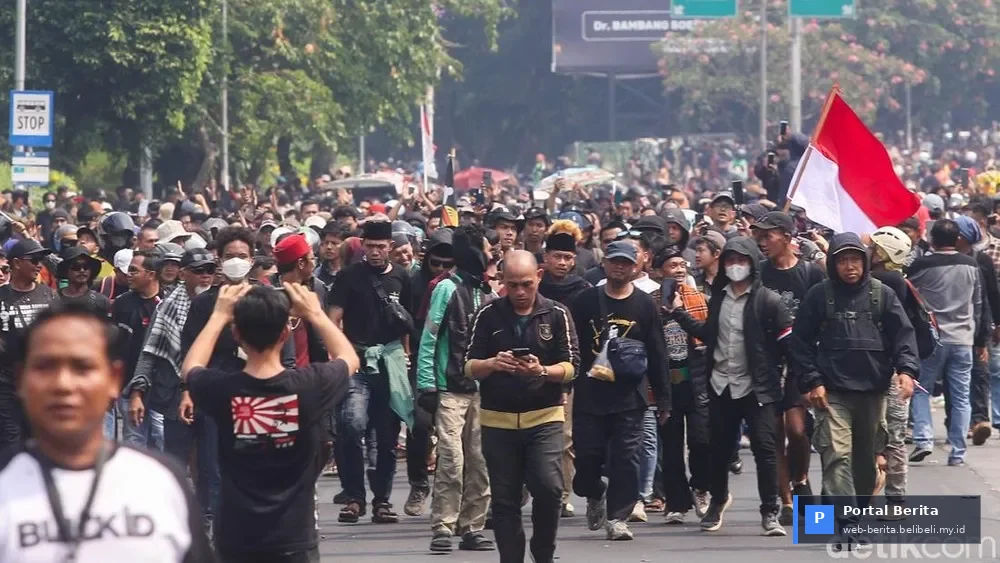
Jakarta, August 15, 2026 – The Indonesian labor market is once again under scrutiny. Recent data from the Ministry of Manpower (Kemnaker) reveals a concerning figure: 43,000 workers have been laid off between January and July 2026. This number has sounded an alarm among economists, business leaders, and naturally, the workforce, regarding the nation's economic stability and employment prospects.
Minister of Manpower, Dr. Ida Fauziyah, stated in a press conference that the government is closely monitoring the situation and striving to mitigate further impact. “This figure of 43,000 layoffs is indeed challenging. We are observing structural shifts in several sectors that require rapid adaptation from all parties,” she remarked.
Accelerated Digitalization and AI: A Double-Edged Sword
One of the primary 'culprits' behind this wave of layoffs, according to many observers, is the accelerated adoption of technology, particularly artificial intelligence (AI) and automation. Companies across various sectors are now racing to implement digital solutions to enhance efficiency and competitiveness. While beneficial for productivity, this trend also poses significant challenges for routine and repetitive jobs.
“Digital transformation is inevitable, but it has consequences. Many administrative, repetitive manufacturing, and even customer service jobs can now be replaced by algorithms or robots,” explained Prof. Dr. Retno Wulandari, Head of the Center for Economic Studies at the University of Indonesia. “This is not just about layoffs, but also about redefining roles and the skills needed in the future.”
Global Economic Pressures and Industry Restructuring
Beyond technological factors, an unstable global economic climate has also played a contributing role. Fluctuating commodity prices, geopolitical uncertainties, and a slowdown in demand from major trading partners have impacted export-oriented and manufacturing sectors. Many companies have been forced to restructure, streamline operations, and reduce labor costs to survive in an increasingly competitive market.
Mr. Budi Santoso, CEO of HR Consulting Group ‘Talent Dynamics’, added that many companies are also facing significant increases in operational costs. “From energy costs to global supply chains that have not fully recovered, everything is squeezing profit margins. Layoffs are often a difficult last resort, but deemed necessary to ensure long-term business sustainability,” he stated.
Social Impact and Government Response
High layoff figures inevitably have broad social implications, ranging from increased unemployment rates to a potential decline in purchasing power. The government, through Kemnaker, has launched various initiatives to address this issue. Reskilling and upskilling programs continue to be promoted, especially through platforms like Kartu Prakerja, which have been updated with modules relevant to the digital era.
Furthermore, the government is actively seeking to attract investment in new, labor-intensive yet future-oriented sectors such as the green economy, information technology, and creative industries, to create new job opportunities. Social safety nets, including unemployment assistance and access to small business capital loans, are also being strengthened to support those affected.
Looking Ahead: Adaptation and Collaboration
Despite the real challenges posed by these layoffs, experts emphasize the importance of adaptation and collaboration. Workers are encouraged to proactively enhance their skills, while companies are expected to invest in employee development rather than solely resorting to terminations. The government, for its part, must continue to create policies conducive to inclusive economic growth and labor protection.
“We cannot go back to the past. Our workforce must become ‘lifelong learners’,” concluded Prof. Retno. “Collaboration among government, industry, and educational institutions will be key to ensuring Indonesia has a resilient and relevant workforce in 2026 and beyond.”
FAQ
1. What are the primary causes of the layoff wave in early 2026?
The main causes include accelerated adoption of AI and automation across various industries, global economic pressures leading to slower demand, and corporate restructuring to boost operational efficiency.
2. Which industry sectors are most affected by the layoffs?
Kemnaker data indicates that manufacturing, administrative, and certain service segments heavily reliant on routine tasks are most impacted by automation and shifts in consumer behavior.
3. What is the government doing to address these layoffs?
The government is focusing on reskilling and upskilling programs via Kartu Prakerja, strengthening social safety nets, and attracting investment into new economic sectors with high job creation potential.