🔑 Key Takeaways
- Indonesia's Central Statistics Agency (BPS) confirmed a significant slowdown in the country's mining industry performance for June 2026.
- Key drivers behind the slump include global commodity price volatility, tightened environmental (ESG) regulations, and the impact of downstreaming policies.
- Both government and industry are urged to pursue diversification, enhance efficiency, and adopt sustainable mining practices to ensure long-term stability.
JAKARTA, July 15, 2026 – Indonesia’s mining industry, a critical pillar of the national economy, experienced a notable slowdown in June 2026. The Central Statistics Agency (BPS), in its latest report, pinpointed several fundamental factors—the “culprits”—behind this decline in a strategic sector, raising concerns about its potential impact on economic growth and state revenues.
Global Commodity Price Fluctuations Trigger Turbulence
BPS Head, Dr. Amalia Putri, speaking at a virtual press conference yesterday, explained that the primary pressure stemmed from global markets. “Demand for several of our key export commodities, such as coal and nickel, showed a significant slowdown in international markets. Shifts in global energy preferences towards greener alternatives, coupled with diversification strategies by major importing nations, have significantly depressed selling prices,” Dr. Amalia stated.
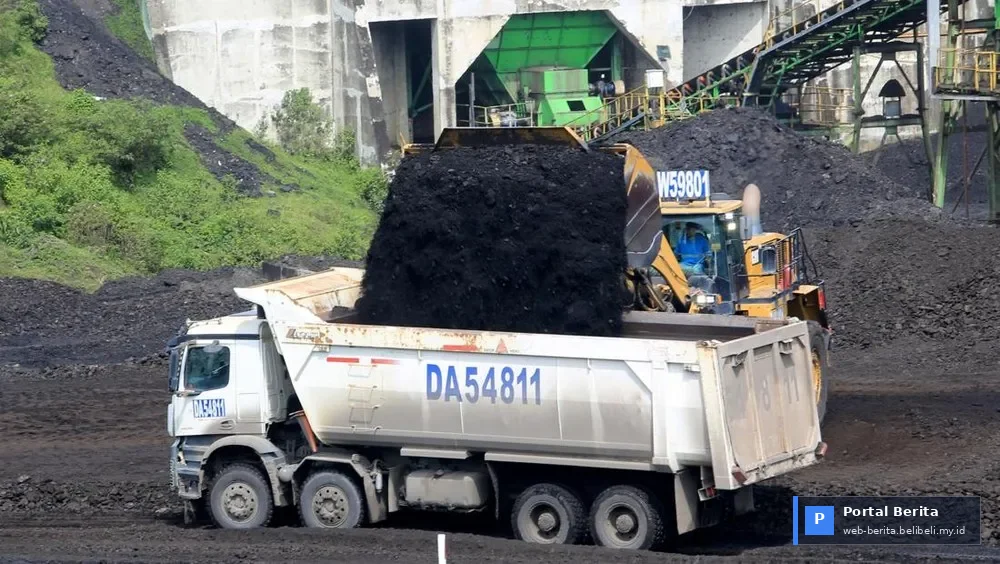
This price decline directly squeezed mining companies' profit margins, rendering several projects less viable or even leading to their postponement. BPS data indicated that the mining and quarrying production index dropped by approximately 4.5% month-on-month in June, a quite striking figure.
Tightened Environmental Regulations and Compliance Costs
Beyond market factors, BPS also highlighted the role of increasingly stringent environmental regulations, particularly Environmental, Social, and Governance (ESG) standards. “Global demands for more responsible and sustainable mining practices are intensifying. While this is a positive step, its implementation requires substantial investments in technology and processes, which in turn increases operational costs for companies,” Dr. Amalia added.
Mining companies now face obligations to reduce their carbon footprint, improve waste management, and ensure minimal social impact. Compliance with ESG standards often consumes significant time and resources, delaying new projects and dampening profitability. Some global investors are even withdrawing from projects that do not meet strict ESG criteria.
Impact of Downstreaming Policies and Transformation Challenges
The downstreaming of the mining industry, aimed at increasing the added value of commodities domestically, also presents complex short-term impacts. “While the long-term prospects of downstreaming are highly promising, this transition phase is not without its challenges,” Dr. Amalia explained. Restrictions on the export of certain raw materials, for example, do encourage the development of smelters and processing facilities. However, suboptimal capacity, energy supply constraints, and the need for a massive skilled workforce remain ongoing challenges.
“Some mining companies that previously relied on raw material exports might feel the pressure first before the downstreaming ecosystem fully matures and yields optimal added value,” said Prof. Budi Santoso, an economist from the University of Indonesia. “The government needs to ensure a smooth transition with appropriate incentives and adequate supporting infrastructure.”
Anticipatory Measures and Future Outlook
In response to this slowdown, the government, through the Ministry of Energy and Mineral Resources (ESDM), announced various strategies are being prepared. “We continuously monitor global market dynamics and engage in intensive dialogue with industry players. Tax incentives for investments in downstreaming and green technologies will continue to be promoted,” stated an ESDM Ministry official who wished to remain anonymous.
The Indonesian Mining Association (APPI) also stressed the importance of mineral portfolio diversification and enhanced operational efficiency. “Reliance on one or two primary commodities needs to be reduced. Technological innovation for more efficient and environmentally friendly mining is key to remaining competitive in a rapidly changing global market,” explained APPI Chairman, Mr. Hendra Wijaya.
Despite the challenges, the medium-term outlook for the mining industry is still viewed positively, especially if downstreaming strategies successfully position Indonesia as a major player in the global supply chain for high-value-added products, such as electric vehicle batteries.
Frequently Asked Questions (FAQ)
Q: Which minerals are most affected by this slowdown?
A: Primarily thermal coal due to global energy shifts, and some base metals like nickel and tin facing price fluctuations and downstreaming capacity challenges.
Q: What is the government doing to address this slowdown?
A: The government is reviewing incentive policies, accelerating the development of downstreaming infrastructure, and engaging in dialogue with the industry to find adaptive solutions, including a focus on ESG standards.
Q: How long is this mining industry slowdown expected to last?
A: Experts predict this slump might be short-to-medium term, depending on global economic recovery, commodity price stability, and the industry's pace of adaptation to new regulations and downstreaming policies.