🔑 Key Takeaways
- In 2026, the Indonesian government, through its Puskesmas network, is intensifying its infant Hepatitis B immunization program.
- This measure is crucial for preventing early transmission and fostering a Hepatitis B-free generation.
- High immunization coverage is key to long-term public health protection and achieving elimination targets.
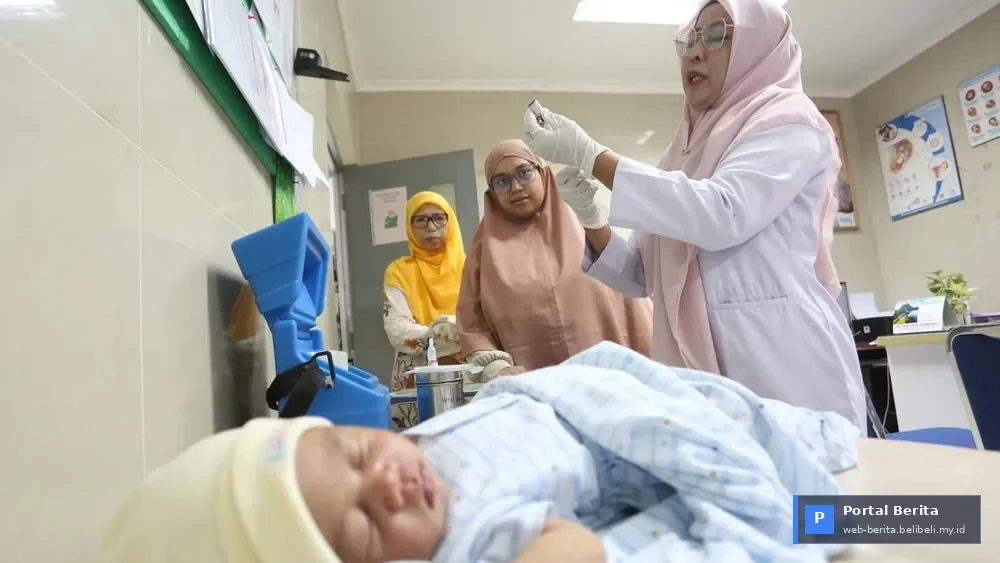
JAKARTA – As of 2026, Indonesia continues to demonstrate its unwavering commitment to protecting future generations from the threat of Hepatitis B. Through its extensive network of Puskesmas (Community Health Centers) nationwide, the infant immunization program is being vigorously implemented, establishing itself as a cornerstone of the national health strategy to create a healthier future free from this chronic infectious disease.
Hepatitis B is a serious liver infection caused by the Hepatitis B virus (HBV). In infants, the infection can become chronic, potentially leading to severe complications such as liver cirrhosis and liver cancer later in life. Therefore, early prevention through immunization is the most effective strategy.
The Unwavering Shield: Infant Immunization's Role
Infant immunization against Hepatitis B is one of the most successful public health interventions. The vaccine works by training the baby's immune system to recognize and fight the virus, providing long-lasting protection. Administering the first dose, ideally within 24 hours of birth, is critically important to prevent vertical transmission from mother to baby.
“Immunizing infants against Hepatitis B is not just a medical procedure; it’s an investment in our nation’s health capital for decades to come,” explains Dr. Anya Lestari, a leading pediatrician and public health advocate. “By ensuring comprehensive coverage at the community level, particularly through our dedicated Puskesmas network, we are actively preventing a silent threat from devastating future generations.”
Puskesmas at the Forefront: Accessibility and Reach
Puskesmas play a central role in the success of Indonesia's Hepatitis B immunization program. As the first-level health facilities closest to the community, Puskesmas ensure vaccine accessibility not only in urban areas but also in remote regions. Health workers at Puskesmas not only administer vaccines but also educate parents about the importance of completing their children's immunization schedules.
In 2026, the focus of Puskesmas extends beyond just coverage to include improving service quality and real-time monitoring of immunization data to identify areas requiring more attention. These efforts align with national targets to achieve the elimination of mother-to-child Hepatitis B transmission.
Beyond 2026: A Vision for Hepatitis B Elimination
Indonesia's commitment to Hepatitis B elimination does not stop in 2026. It is part of a long-term vision to achieve global targets set by the World Health Organization (WHO). Every successful infant immunization is a step forward towards a healthier, more productive society, free from the burden of preventable Hepatitis B disease.
Parents are urged not to delay their infants' immunization schedules and to always consult with healthcare professionals at their nearest Puskesmas for more information and to ensure their children receive maximum protection.
❓ Frequently Asked Questions
- Why is Hepatitis B immunization for infants so crucial? It prevents chronic infection, which can lead to severe liver disease and cancer later in life, and halts early transmission.
- When should my baby receive the Hepatitis B vaccine? The first dose is typically given within 24 hours of birth, followed by subsequent doses at 1 month and 6 months of age as part of the routine immunization schedule.
- Are there any side effects from the Hepatitis B vaccine? Side effects are generally mild and temporary, such as soreness at the injection site or a low-grade fever, indicating the immune system is building protection.