🔑 Key Takeaways
- Unprecedented 2026 heatwaves have forced the cancellation of critical medical operations across the UK, overwhelming hospitals.
- Lack of adequate cooling infrastructure in NHS facilities is identified as a primary cause, risking patient safety and staff well-being.
- Experts call for urgent investment in climate-resilient healthcare systems to adapt to persistent extreme weather patterns.
The summer of 2026 will be remembered as a pivotal period when the UK's healthcare infrastructure was pushed to its breaking point by an extreme heatwave. Hospitals across the nation, from London to Manchester, reported cancellations of non-emergency medical operations and procedures due to soaring internal temperatures, raising grave concerns about the resilience of the health system amidst worsening climate change.
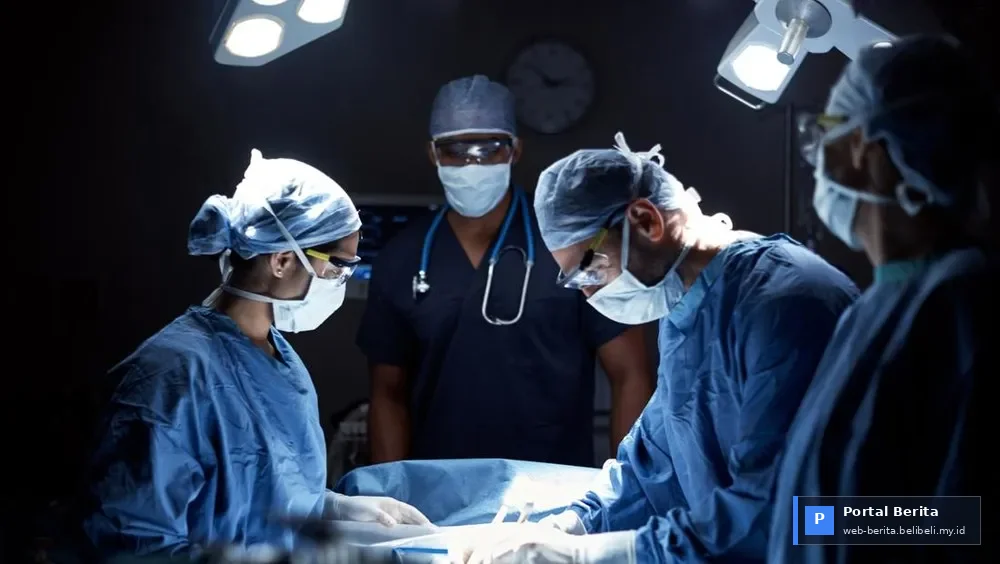
The heatwave gripping the UK since early July 2026 has rendered many medical facilities unsafe for complex procedures. Temperatures inside operating theatres frequently breached safe limits, jeopardizing sterility, equipment performance, and even the safety of medical staff and patients. “We're facing an impossible choice,” stated Dr. Eleanor Vance, Senior Consultant at St. Thomas' Hospital in London. “Maintaining sterile environments and operating theatre temperatures is paramount. When ambient temperatures inside the hospital hit critical levels, continuing complex procedures becomes unsafe for both patient and surgical team.”
Aging Infrastructure: A Worrying Root Cause
Health officials point to the age and design of many NHS buildings as a primary culprit. A significant number of older hospitals are not equipped with adequate centralized air conditioning systems or were simply not designed to withstand the extreme temperatures that are now becoming an annual occurrence. Portable cooling units are often insufficient, and even vital medical equipment is beginning to overheat. Prof. Mark Jenkins, Director of the UK Health Security Agency, remarked, “This isn't just about patient comfort; it's about the fundamental ability to deliver care. Our current healthcare infrastructure was simply not built to withstand the sustained, brutal temperatures we're now experiencing annually. The air conditioning units are breaking down, and even essential equipment is overheating.”
Widespread Impact Beyond Operating Theatres
The operation cancellations have impacted thousands of patients already facing long waits for procedures, from joint replacements to cataract surgeries. However, the crisis extends further. Medical staff report extreme fatigue and personal health risks from working in intensely hot environments. An increase in heat-related admissions, such as dehydration, heatstroke, and exacerbation of chronic conditions, is also straining already full emergency departments.
Towards a Climate-Resilient Future: An Urgent Call
In response to the crisis, the UK government has pledged to accelerate investment in modernizing NHS infrastructure, focusing on sustainable cooling solutions and climate-resilient building designs. However, experts argue that action is not happening fast enough. Dr. Anya Sharma, a climate resilience specialist, emphasized, “The scientific consensus is clear: these extreme heat events are becoming the new norm. We need a fundamental shift in how we design and manage our critical infrastructure, especially healthcare. Retrofitting existing hospitals and ensuring new builds are climate-resilient should be a top national priority.” The 2026 challenge serves as a stark warning that adapting to climate change is no longer an option, but a necessity to ensure the sustainability of public healthcare services.
Frequently Asked Questions
1. Which types of operations are most affected by the heatwave?
Non-emergency surgeries such as joint replacements, cataract operations, and minor elective procedures are most frequently postponed. However, in extreme cases, some more urgent operations can also be affected if conditions in operating rooms become unsafe.
2. What are hospitals doing to cope with extreme temperatures?
Hospitals are deploying additional portable cooling units, relocating patients to cooler areas where possible, and prioritizing emergency procedures. Some are also trying to reschedule operations for evenings or early mornings when temperatures are lower, though this is not always practical.
3. How can patients protect themselves during extreme heatwaves?
It is advised to stay hydrated by drinking plenty of water, avoid strenuous outdoor activity during the hottest parts of the day, seek shade or air-conditioned spaces, and wear light clothing. Patients with chronic conditions should monitor their symptoms closely and seek medical attention if they feel unwell.